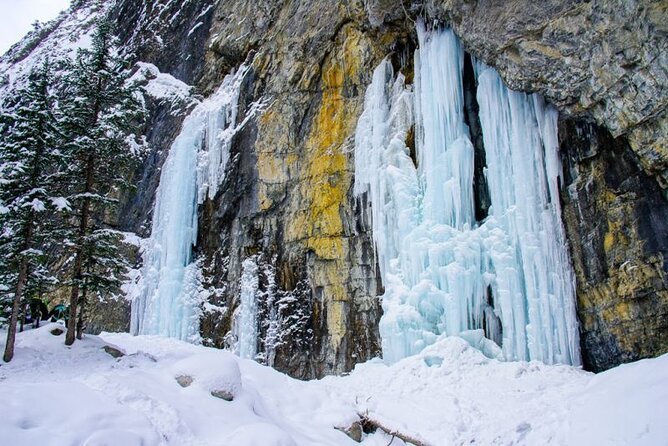
Summiting Mount Elbrus, Russia: The Highest Peak...
Mount Elbrus, standing tall at 5,642 meters (18,510 feet), is the undisputed king of the European peaks. As one of the famed Seven Summits, it attracts experienced mountaineers from around the globe, eager to test their skills and endurance. This guide focuses on the popular South Route, detailing the ascent, essential gear, acclimatization strategies, potential dangers, and permit acquisition. Planning a climb of Mount Elbrus via the South Route requires meticulous preparation, dedication, and a healthy respect for the mountain's unpredictable nature. Let's explore how to tackle this formidable challenge.
Planning Your Ascent: Permits and Logistics
Securing the necessary permit to climb Mount Elbrus is the first hurdle. This process involves contacting the Russian Ministry of Sport, and it's advisable to begin well in advance. Current lead times can vary from a few weeks to several months, so planning at least 3-6 months ahead is recommended. The estimated cost for the permit is typically between $100-$200 USD, but it's subject to change, so confirm the most up-to-date pricing directly with the Ministry or through a reputable Russian tour operator. Many climbers find that using a local agency simplifies the process, particularly with language barriers and bureaucratic procedures.
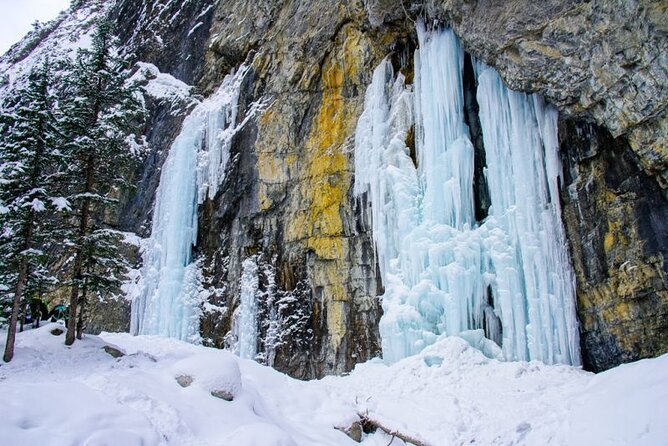
The summit of Mount Elbrus, the highest point in Europe. Proper acclimatization is key to reaching this goal.
Acclimatization: Key to a Successful Summit
Altitude sickness (AMS) is a serious threat on Mount Elbrus, so proper acclimatization is crucial. A gradual ascent, combined with rest days, is essential. Most climbers begin their acclimatization process in Terskol (2,100m), a village in the Baksan Valley. Spending a few days here allows your body to adjust to the initial altitude. From Terskol, many move to the Barrels Huts (3,900m), a basic but functional accommodation option offering a further step in acclimatization. Consider day hikes to higher altitudes, like the Pastukhov Rocks (4,700m), before descending to sleep at a lower altitude. This "climb high, sleep low" approach is highly effective.
Sample Acclimatization Schedule:
- Day 1-2: Arrive in Terskol (2,100m), rest, and explore the village.
- Day 3: Hike to Cheget Peak (3,450m) for acclimatization, return to Terskol.
- Day 4: Move to the Barrels Huts (3,900m).
- Day 5: Acclimatization hike to Pastukhov Rocks (4,700m), descend to Barrels Huts.
- Day 6: Rest day at Barrels Huts.
- Day 7: Summit push.
- Day 8: Descend to Terskol or further down the valley.
Gear Recommendations: Equipping Yourself for Success
Proper gear is paramount for safety and comfort on Elbrus. Here's a breakdown of essential items:
- High-Altitude Mountaineering Boots: Invest in boots like the La Sportiva Nepal Evo GTX. These boots provide excellent insulation, support, and compatibility with crampons.
- Down Suit: Temperatures on Elbrus can plummet dramatically, especially at night and near the summit. A Feathered Friends Volant down suit offers exceptional warmth and protection.
- Oxygen System: While not mandatory, an oxygen system like POFIS can be a lifesaver, especially for climbers susceptible to altitude sickness. Familiarize yourself with its operation before the climb.
- Crampons and Ice Axe: Essential for navigating icy slopes and glaciers. Choose reputable brands like Black Diamond or Grivel.
- Harness and Ropes: If climbing independently, ensure you have the necessary equipment and skills for crevasse rescue.
- Clothing: Layering is key. Include moisture-wicking base layers, insulating mid-layers (fleece or down), and a waterproof and windproof outer shell.
- Sunglasses and Sunscreen: The sun's intensity at high altitude is significantly stronger. Protect your eyes and skin.
- Headlamp: Essential for early morning starts and navigating in darkness.
- Backpack: Choose a comfortable and durable backpack with a capacity of 50-70 liters.
Potential Dangers and Real-Time Weather Information
Climbing Mount Elbrus presents several inherent dangers:
- Crevasse Falls: Glaciers on Elbrus are riddled with crevasses, some of which are hidden under snow. Always rope up when crossing glaciated areas and possess crevasse rescue skills.
- Altitude Sickness: As mentioned earlier, altitude sickness is a significant concern. Recognize the symptoms (headache, nausea, fatigue) and descend immediately if they worsen. Using Diamox can help some people.
- Rapidly Changing Weather Conditions: The weather on Elbrus can change dramatically in a matter of hours. Be prepared for strong winds, snow, and whiteout conditions.
- Avalanches: While less common on the South Route, avalanches can occur, especially after heavy snowfall.
Staying informed about the weather is critical. Consult reliable sources such as:
- Mountain-Forecast.com: Provides detailed weather forecasts for mountain peaks worldwide.
- YR.no: A Norwegian weather service known for its accuracy.
- Local Weather Reports: Obtain information from local guides and weather stations in the Baksan Valley.
The Summit Push: A Test of Endurance
The summit push typically begins in the early morning hours (1-3 AM) from the Barrels Huts or a higher camp at the Pastukhov Rocks. The route involves ascending steep snow and ice slopes, often in challenging conditions. The final section, near the summit plateau, can be particularly exposed to wind and cold. Pace yourself, stay hydrated, and monitor your condition closely. Reaching the summit is a tremendous achievement, but remember that the descent is equally important.
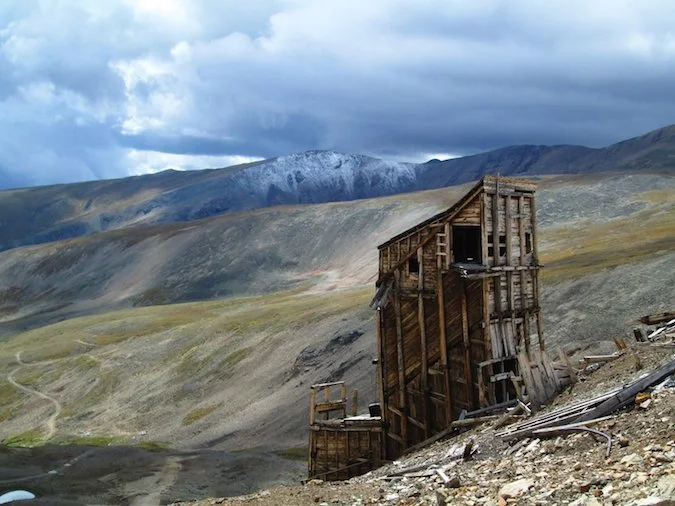
Climbers ascending Mount Elbrus. The route is challenging and requires careful planning and execution.
Conclusion: Your Elbrus Adventure Awaits
Summiting Mount Elbrus via the South Route is an unforgettable experience. The stunning scenery, the physical challenge, and the sense of accomplishment make it a truly rewarding adventure. Remember to prioritize safety, plan meticulously, and respect the mountain's power. Do you have any stories of your own Elbrus summit attempt? Share your Elbrus summit experiences in the comments section!
Aconcagua Traverse, Argentina: A Non-Technical Ascent via the Normal Route
Aconcagua, the "Stone Sentinel," stands as the highest peak in the Americas, reaching a staggering 6,961 meters (22,837 feet). While technically a non-technical climb via the Normal Route, Aconcagua presents significant challenges, primarily due to its extreme altitude and unpredictable weather. This guide provides a comprehensive overview of the ascent via the Normal Route, focusing on the logistics, acclimatization, permits, and essential information for a safe and successful expedition. Planning and execution are critical for conquering this majestic peak.
Route Overview: The Aconcagua Normal Route
The Aconcagua Normal Route, also known as the Northwest Ridge, is the most popular and least technically demanding route to the summit. While no specialized climbing skills are required, the altitude and harsh conditions demand excellent physical fitness, experience with high-altitude trekking, and careful acclimatization.
Key Stages of the Ascent:
- Penitentes to Plaza Argentina: The trek begins in Penitentes, a small village near the entrance to Aconcagua Provincial Park. From Penitentes, you can hire mule services to transport equipment to Plaza Argentina (4,200m), the first base camp.
- Plaza Argentina to Camp 1 (C1): This involves trekking up the mountain and is a steep, rocky ascent.
- Camp 1 (4,900m) to Camp 2 (C2): A gradual climb, the camp provides a good place to acclimatize
- Camp 2 (5,500m) to Camp 3 (C3): Another long gradual climb to the last high camp before summit, located in the "Berlin" area.
- Summit Day: From Camp 3, the summit day is long, and exposed. It starts with a long, steep slog.
Permits and Fees: Navigating the Bureaucracy
Climbing Aconcagua requires a permit issued by the Aconcagua Provincial Park office in Mendoza, Argentina. The permit fees vary depending on the time of year and the chosen route. Currently, the fees range from $800 to $1000 USD for the Normal Route during the high season (December-January). Application and securing the permit can be a complex process; it is recommended that the permit be applied for up to three months in advance. It is important to check Aconcagua Provincial Park's website for the most current fees and application procedures. Permits are non-refundable and must be paid in US dollars.
Acclimatization Strategies: Conquering Altitude Sickness
Altitude sickness is the most common reason for climbers failing to reach the summit of Aconcagua. A well-structured acclimatization plan is crucial.
- Pre-Acclimatization: Spending time at moderate altitudes (2,000-3,000m) before arriving in Argentina can be beneficial.
- "Climb High, Sleep Low": This principle involves ascending to a higher altitude during the day and returning to a lower altitude to sleep, stimulating the body's acclimatization process.
- Rest Days: Incorporate rest days into your itinerary at both Plaza Argentina and higher camps.
- Hydration: Drink plenty of water (4-5 liters per day) to combat dehydration, which can exacerbate altitude sickness.
- Medication: Consult your doctor about preventative medications like Diamox. Diamox can help accelerate acclimatization by increasing the rate of respiration. It's essential to discuss potential side effects and contraindications with your physician. Always discuss with your doctor about risks with the drug.
Sample Acclimatization Schedule:
- Day 1-2: Arrive in Mendoza, obtain permits, and purchase any last-minute supplies.
- Day 3: Trek to Confluencia (3,400m).
- Day 4: Acclimatization hike to Plaza Francia (4,200m), return to Confluencia.
- Day 5: Trek to Plaza Argentina (4,200m).
- Day 6: Rest day at Plaza Argentina.
- Day 7: Carry gear to Camp 1 (4,900m), return to Plaza Argentina.
- Day 8: Move to Camp 1.
- Day 9: Carry gear to Camp 2 (5,500m), return to Camp 1.
- Day 10: Move to Camp 2.
- Day 11: Rest day at Camp 2.
- Day 12: Move to Camp 3 (6,000m).
- Day 13: Rest Day at Camp 3.
- Day 14: Summit Push.
- Day 15-16: Descent.
Base Camp Services: Plaza Argentina and Plaza de Mulas
Plaza Argentina and Plaza de Mulas (on the Horcones route) are the two primary base camps on Aconcagua. Both camps offer a range of services, including:
- Medical Facilities: Basic medical care is available at both camps, with doctors and emergency evacuation services.
- Food and Equipment: You can purchase food, fuel, and some equipment at the base camps, although prices are significantly higher than in Mendoza.
- Toilet Facilities: Basic toilet facilities are available.
- Communication: Satellite phones and internet access are available for a fee.
Water Sources and Purification
Access to clean water is crucial on Aconcagua. The primary water sources are streams and snowmelt. However, it's essential to purify all water before drinking to prevent waterborne illnesses.
- Boiling: Boiling water for at least one minute effectively kills most pathogens.
- Water Filters: Portable water filters are a reliable option.
- Water Purification Tablets: Iodine or chlorine tablets can be used to disinfect water.
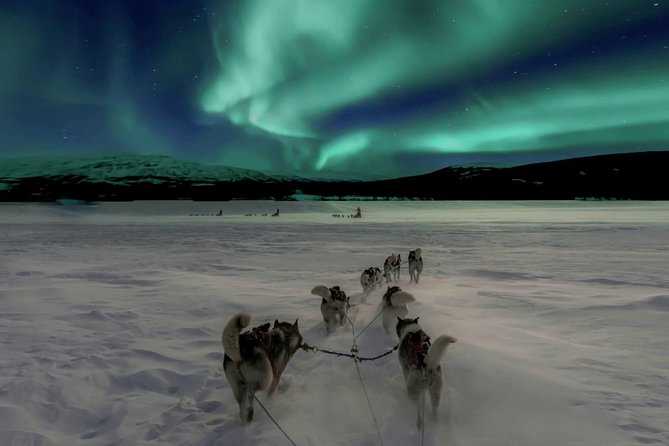
The imposing Aconcagua, also known as the "Stone Sentinel". Climbing this peak demands careful preparation and a respect for its altitude.
Guiding Services: Weighing the Options
While the Normal Route is considered non-technical, inexperienced mountaineers may benefit from hiring a guide. A guide can provide expertise in route finding, acclimatization strategies, weather forecasting, and emergency procedures.
- Benefits of a Guide: Increased safety, logistical support, and a higher chance of reaching the summit.
- Considerations: Guides can be expensive, and it's essential to choose a reputable and experienced operator.
- Link to recommended Aconcagua guiding services for inexperienced mountaineers: [Link to a hypothetical guiding service website would go here]
Conclusion: Aconcagua Awaits the Prepared
Climbing Aconcagua via the Normal Route is a challenging but rewarding experience. Proper acclimatization, meticulous planning, and respect for the mountain's harsh conditions are essential for a safe and successful expedition. For inexperienced mountaineers, seeking guidance from reputable services will improve chances of success.
The Dolomites High Route No. 1, Italy: A Multi-Day Trek
The Dolomites High Route No. 1, also known as the Alta Via 1, is a classic multi-day trek through the breathtaking Italian Dolomites. This 120km route offers stunning scenery, challenging terrain, and a unique opportunity to experience the beauty of the Alps. This guide provides a detailed overview of the Alta Via 1, including a stage-by-stage breakdown, accommodation options, gear recommendations, and essential information for planning your trek.
Route Overview: A Stage-by-Stage Breakdown
The Dolomites Alta Via 1 typically takes 10-12 days to complete, traversing through diverse landscapes of jagged peaks, lush meadows, and serene alpine lakes. The trail is well-marked with the number "1" in a triangle.
Sample Stage Breakdown:
- Stage 1: Lago di Braies/Pragser Wildsee to Rifugio Biella/Seekofel Hut (Elevation Gain: 800m, Hiking Time: 5-6 hours)
- Stage 2: Rifugio Biella/Seekofel Hut to Rifugio Sennes (Elevation Gain: 300m, Hiking Time: 3-4 hours)
- Stage 3: Rifugio Sennes to Rifugio Fanes (Elevation Gain: 500m, Hiking Time: 4-5 hours)
- Stage 4: Rifugio Fanes to Rifugio Lagazuoi (Elevation Gain: 700m, Hiking Time: 6-7 hours)
- Stage 5: Rifugio Lagazuoi to Rifugio Nuvolau (Elevation Gain: 300m, Hiking Time: 4-5 hours)
- Stage 6: Rifugio Nuvolau to Rifugio Averau (Elevation Gain: 200m, Hiking Time: 2-3 hours)
- Stage 7: Rifugio Averau to Rifugio Palmieri/Croda da Lago (Elevation Gain: 400m, Hiking Time: 5-6 hours)
- Stage 8: Rifugio Palmieri/Croda da Lago to Rifugio Città di Fiume (Elevation Gain: 300m, Hiking Time: 4-5 hours)
- Stage 9: Rifugio Città di Fiume to Rifugio Vazzoler (Elevation Gain: 500m, Hiking Time: 5-6 hours)
- Stage 10: Rifugio Vazzoler to La Pissa/Bus Stop (Elevation Gain: 100m, Hiking Time: 3-4 hours)
Rifugio Accommodations: Booking in Advance
Rifugios (mountain huts) provide accommodation, meals, and often stunning views along the Alta Via 1. It is essential to book your rifugio accommodations well in advance, especially during the peak season (July-August).
Notable Rifugios Along the Route:
- Rifugio Biella/Seekofel Hut: A cozy hut with panoramic views.
- Rifugio Sennes: Known for its delicious food and friendly atmosphere.
- Rifugio Lagazuoi: Situated near World War I tunnels and offering breathtaking sunrise views.
- Rifugio Nuvolau: The highest rifugio in the Dolomites, perched atop a rocky peak.
Average costs per night in a rifugio range from €50-€80, including half-board (dinner and breakfast). Booking information can typically be found on the rifugio's individual website.
Gear Recommendations: Packing Light and Smart
Weight is a crucial factor on the Alta Via 1. Opt for lightweight and versatile gear.
- Lightweight Hiking Boots: Salomon X Ultra 4 Mid GTX boots offer excellent support, grip, and waterproof protection.
- Trekking Poles: Essential for stability and reducing strain on your knees, especially on steep descents.
- Weather-Resistant Clothing: Pack layers, including a waterproof and windproof jacket and pants, fleece or down jacket, and moisture-wicking base layers.
- Backpack: Choose a comfortable backpack with a capacity of 40-50 liters.
- Sleeping Bag Liner: Most rifugios provide blankets, but a sleeping bag liner adds extra warmth and hygiene.
- Headlamp: Essential for navigating around the rifugios at night.
Resupply Points and Trail Conditions
Resupply points are limited along the Alta Via 1. It's advisable to carry enough food for each stage. Rifugios typically offer packed lunches for purchase. Trail conditions vary depending on the weather and time of year. Be prepared for rocky terrain, steep ascents and descents, and occasional snow patches, especially in early summer.
A view of the Dolomites. Hiking Alta Via 1 offers access to incredible vistas and scenery.
Conclusion: Embark on Your Dolomites Adventure
The Dolomites High Route No. 1 is an unforgettable trekking experience, offering stunning scenery and a challenging but rewarding adventure. Proper planning, packing light, and booking accommodations in advance are essential for a successful trek.
Downloadable GPS Track: [Hypothetical link to a GPS Track Download]
Astrophotography in the Atacama Desert, Chile: Capturing the Milky Way
The Atacama Desert in Chile is renowned as one of the best places on Earth for astrophotography. Its high altitude, extremely dry air, and minimal light pollution create unparalleled conditions for capturing the beauty of the night sky. This guide highlights prime locations, optimal timing, camera settings, and essential gear for astrophotography in the Atacama Desert.
Prime Astrophotography Locations
The Atacama Desert offers numerous stunning locations for astrophotography.
- El Tatio Geysers: Located at an altitude of 4,320 meters (14,173 feet), El Tatio provides a unique foreground with its geothermal activity under the Milky Way.
- ALMA Observatory Area: While access to the ALMA Observatory itself is restricted, the surrounding area offers excellent dark sky conditions and the opportunity to photograph the giant telescopes against the backdrop of the Milky Way (permits for entry to the ALMA site are required and difficult to obtain).
- Valle de la Luna (Moon Valley): This otherworldly landscape provides a surreal foreground for astrophotography.
- Lagunas Altiplánicas (Highland Lagoons): The reflection of the stars in the still waters of these lagoons creates stunning images.
Best Time of Year for Milky Way Viewing
The best time of year for Milky Way viewing in the Atacama Desert is from March to October. During these months, the Milky Way's galactic center is visible for a significant portion of the night. The new moon phases offer the darkest skies, providing the best conditions for capturing faint celestial objects.
Camera Settings for Capturing the Milky Way
Capturing the Milky Way requires specific camera settings.
- ISO: Start with ISO 3200-6400 and adjust as needed to balance brightness and noise.
- Aperture: Use a wide aperture of f/2.8 or lower to maximize light gathering.
- Shutter Speed: Begin with a shutter speed of 15-30 seconds. Use the 500 rule to avoid star trailing (500 / focal length = maximum shutter speed).
- Focus: Manually focus on a bright star using live view and magnification.
Essential Gear for Astrophotography
In addition to a camera and lens, consider these essential gear items:
- Star Tracker: A star tracker like the Sky-Watcher Star Adventurer compensates for the Earth's rotation, allowing for longer exposures and sharper star images.
- Light Pollution Filter: An Optolong L-Pro light pollution filter can reduce the impact of artificial light, improving contrast and clarity in your images.
- Tripod: A sturdy tripod is essential for long exposures.
- Remote Shutter Release: Prevents camera shake during long exposures.
- Headlamp with Red Light: Red light preserves your night vision.
- Warm Clothing: Temperatures in the Atacama Desert can plummet dramatically at night. Dress in layers and bring a hat, gloves, and a warm jacket.
The night sky over the Atacama Desert. Low light pollution and a high altitude make the Atacama ideal for astrophotography.
Extreme Conditions: Preparing for the Atacama
The Atacama Desert presents extreme conditions that require careful preparation.
- Temperature Drops: Temperatures can fluctuate dramatically between day and night. Be prepared for freezing temperatures at night, even in summer.
- Dry Desert Conditions: The Atacama is one of the driest places on Earth. Drink plenty of water to stay hydrated and use lip balm and moisturizer to prevent dry skin.
- Altitude Sickness: High altitude can cause altitude sickness. Acclimatize gradually and consult your doctor about preventative medications.
Conclusion: Capturing the Cosmos in the Atacama
Astrophotography in the Atacama Desert is an unforgettable experience, offering the opportunity to capture stunning images of the Milky Way and other celestial wonders. Proper planning, preparation, and the right gear are essential for a successful and safe adventure.
Link to recommended astrophotography tours in the Atacama Desert: [Link to a hypothetical tour company website]