Suddenly Dwarfed: Ethical Bhutan Travel Through...
Suddenly dwarfed by the sheer scale of the Himalayas and the ingenuity of its people, I knew my trip to Bhutan would be unlike any other. This isn't just another travel vlog; it's a deep dive into ethical and sustainable tourism in a country that values Gross National Happiness over GDP. Come along as I explore ancient bridges, vibrant traditions, and the heart of Bhutanese culture, all while ensuring my travels leave a positive impact. Join me as I discover ethical Bhutan travel.
Crossing the Khenpajong: More Than Just a Bridge
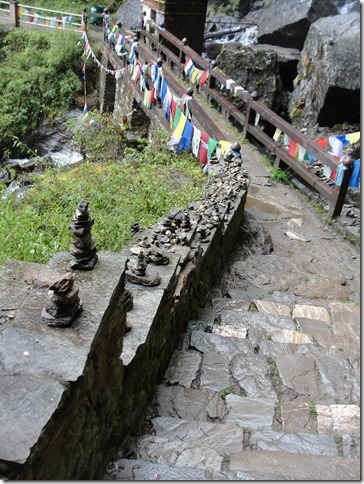
The wind whipped around me as I stood on the Khenpajong bridge, a seemingly impossible feat of engineering spanning a raging glacial river. These cantilever bridges are more than just a way to get from point A to point B; they are living testaments to Bhutan's cultural heart. As I launched my drone to capture its intricate timber construction, I was struck by how seamlessly it blended into the landscape. A true marvel! The Khenpajong bridge Bhutan is a must see for anyone visiting.
Weaving Stories: Cultural Immersion in the Haa Valley
The Haa Valley offered a glimpse into the soul of Bhutan. I spent an afternoon with a local weaver, her nimble fingers dancing across the loom as she created a Kira, the traditional Bhutanese dress. Each thread told a story, a story of Bhutan's commitment to Cultural Preservation, one of the four pillars of Gross National Happiness. The intricate patterns, including the hor (animal motifs), are passed down through generations. Purchasing a Bhutan Kira weaving directly from her was not just a transaction, it was a way to support her craft and preserve this invaluable tradition. This is what Bhutan cultural immersion travel is all about.
Sustainable Stays: Embracing Eco-Tourism
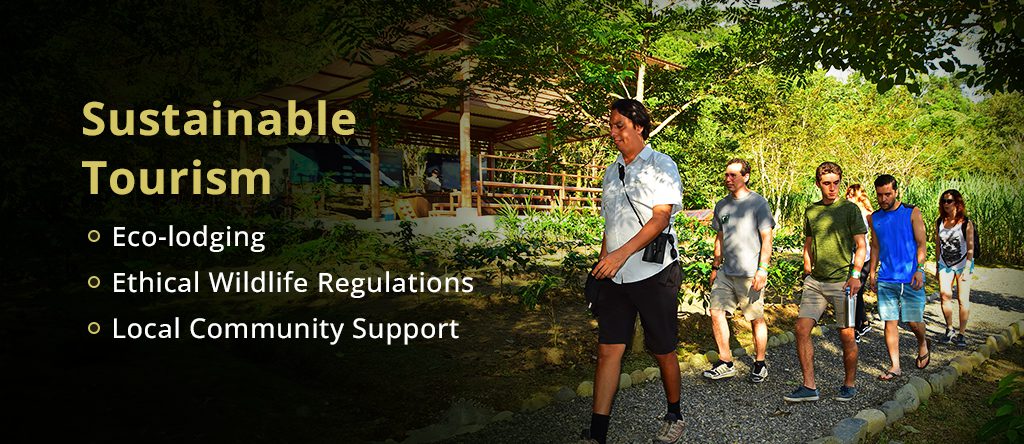
For accommodations, I choose Bhutan Green Travel's eco-lodge in the Haa Valley. This wasn't just about a comfortable bed; it was about making a conscious choice to support businesses committed to sustainable tourism Bhutan. The lodge was constructed using traditional Bhutanese techniques, blending seamlessly into its surroundings. More importantly, it employs local workers and actively supports the surrounding communities. Choosing Bhutan Green Travel Eco Lodge meant that my visit directly benefited the people whose culture I was experiencing.
From Bridge to Fabric: The Art of Connection
But here's where it gets really interesting. Remember the Khenpajong bridge? Take a closer look. Now, look at the trima (geometric patterns) in the Kira. See the connection? These bridges aren't just roads; they're works of art, and their designs are woven into the very fabric of Bhutanese culture. The architectural design even influences the artisan designs. It's a powerful reminder that cultural preservation isn't just about preserving artifacts; it's about supporting the living traditions that keep these connections alive. How can you support cultural preservation in Bhutan? Start by appreciating and supporting the artisans who keep these traditions alive.
Support Bhutanese Artisans: An Ethical Call to Action
So, how can you be a part of this? I encourage you to support the Bhutan Foundation https://bhutanfoundation.org/ and its invaluable work in preserving traditional skills. And when you visit Bhutan, make a conscious effort to buy Kira and other crafts directly from the artisans themselves. Your support makes a real difference. Here are a few ways to support Bhutanese artisans:
- Purchase directly from artisans at local markets.
- Seek out cooperatives that ensure fair wages and sustainable practices.
- Donate to organizations like the Bhutan Foundation.
Why is Bhutan So Concerned with Sustainability?
Bhutan's commitment to sustainability is deeply rooted in its Buddhist philosophy and the principle of Gross National Happiness (GNH). Unlike many countries that prioritize economic growth, Bhutan focuses on the well-being of its citizens and the environment. GNH has four pillars: sustainable and equitable socio-economic development, environmental conservation, preservation and promotion of culture, and good governance. This holistic approach guides all aspects of Bhutanese life, including tourism policies. By promoting responsible travel to Bhutan, the country aims to minimize its environmental impact, preserve its cultural heritage, and ensure that tourism benefits local communities. It's a different paradigm, and one that the world could learn a lot from.
What is Ethical Tourism in Bhutan?
Ethical tourism in Bhutan involves traveling in a way that respects and benefits the local environment, culture, and economy. It means making conscious choices that minimize negative impacts and maximize positive contributions to the communities you visit. This includes:
- Choosing accommodations that prioritize sustainability, like Bhutan Green Travel.
- Supporting local businesses and artisans.
- Respecting cultural traditions and customs.
- Minimizing your environmental footprint.
- Being mindful of your impact on local communities.
This approach aligns with Bhutan's philosophy of Gross National Happiness, which emphasizes the well-being of both people and the planet.
Where to Buy Authentic Kira Weaving in Bhutan?
When looking to buy authentic Kira weaving in Bhutan, aim to purchase directly from the source. Villages in the Haa Valley are well known for skilled weaving. In addition, you can find authentic Kira from:
- Local Markets: Thimphu Weekend Market is a great option.
- Artisan Cooperatives: Government-supported cooperatives ensure fair prices and quality.
- Directly from Weavers: Visit workshops and homes in rural areas to purchase directly.
When buying, ask about the origin of the Kira, the materials used, and the weaver's story to ensure authenticity and support local artisans.
How Can I Donate to the Bhutan Foundation?
Supporting the Bhutan Foundation https://bhutanfoundation.org/ is an excellent way to contribute to the country's sustainable development. Here are some ways to donate:
- Online Donation: Visit their website and use their secure online donation platform.
- Planned Giving: Consider including the Bhutan Foundation in your will or estate plan.
- Corporate Sponsorship: Partner with the foundation to support specific projects that align with your company's values.
- In-Kind Donations: Donate goods or services that can support the foundation's programs.
Your donation will help support their work in education, healthcare, environmental conservation, and cultural preservation, ensuring that Bhutan continues to thrive sustainably.
Conclusion: A Journey of Connection
My trip to Bhutan was more than just a vacation; it was a journey of connection – connection to the land, to the culture, and to the people. It was a reminder that travel can be a force for good, that we can explore the world while leaving a positive impact. As the sun set over the Khenpajong bridge, painting the sky in hues of gold and orange, I knew I was leaving a piece of my heart in Bhutan. I encourage you to explore this incredible country with intention and a commitment to ethical Bhutan travel.