Submerged Masterpieces: Exploring the World's Un...
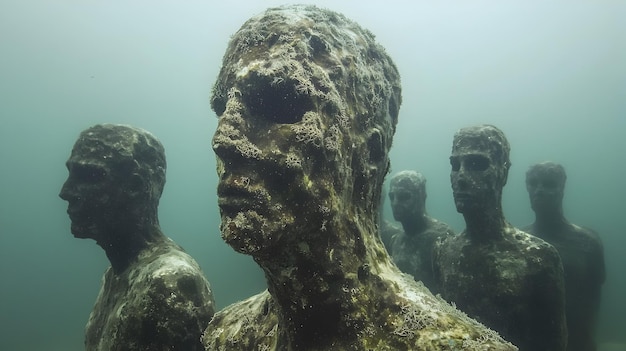
Imagine descending into the turquoise depths, the sunlight filtering through the water, when suddenly, a figure emerges from the blue. Not a diver, not a fish, but a sculpture, silently watching as marine life dances around it. This is the magic of underwater art museums – a captivating fusion of art, nature, and adventure. These unique destinations not only offer an awe-inspiring experience for art and culture enthusiasts but also actively contribute to the local marine ecosystems, becoming vibrant hubs for coral and fish. Come dive in!
Underwater Museum of Art (UMA), Santa Rosa Beach, Florida
The Underwater Museum of Art (UMA), located off the coast of Santa Rosa Beach, Florida, is a testament to the power of art to enhance marine environments. These sculptures, created by various artists, are crafted from durable, environmentally friendly materials designed to act as artificial reefs.
Sculptures as Reefs
The UMA's sculptures are more than just art; they are carefully engineered habitats. Pieces like "The Grayt Wall" by artists Evelyn Tickle and Vince Tatum, and "Propeller in Motion" by artist Marek Kreigel, are designed with intricate textures and openings that encourage marine life to settle and flourish. The materials used are pH-neutral and promote the settlement of filter-feeding organisms, which improve water quality.
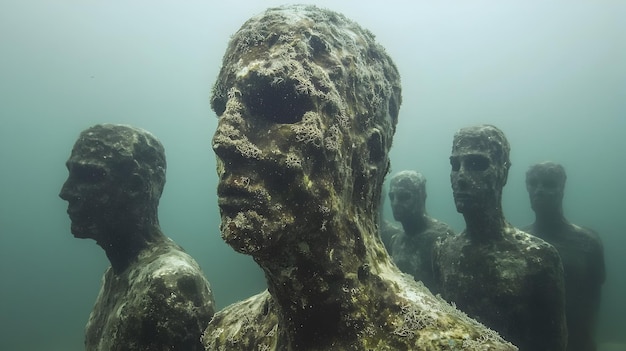
Alt Text: An underwater view of one of the sculptures at the Underwater Museum of Art (UMA) in Santa Rosa Beach, Florida, teeming with vibrant marine life, demonstrating its role as an artificial reef.
Visiting the UMA
Located in the Gulf of Mexico near Santa Rosa Beach, Florida, the UMA is accessible to both snorkelers and divers. The sculptures are placed at depths ranging from 50 to 60 feet, making it suitable for certified divers. Snorkeling is possible, but visibility can be limited depending on the weather and water conditions.
The best time to visit is during the summer months when the water is warmer and visibility is typically better. Several tour operators in the area offer guided dives and snorkeling trips to the UMA. Permitting requirements are minimal, but it's essential to book with a licensed operator who is familiar with the site and its regulations. Check out Visit South Walton for tour details.
Environmental Impact: A Marine Biologist's Perspective
"The UMA is a fantastic example of how art can positively impact marine ecosystems," says Dr. Sarah Miller, a marine biologist studying the site. "We've observed significant coral growth on the sculptures, and they've become a haven for various fish species. This is not just about aesthetics; it's about creating new habitats and promoting biodiversity."
Museo Subacuático de Arte (MUSA), Cancun, Mexico
The Museo Subacuático de Arte (MUSA) in Cancun, Mexico, stands out for its sheer scale and ambition. With over 500 sculptures, MUSA is one of the largest underwater art museums in the world, attracting both art lovers and scuba enthusiasts.
"The Silent Evolution" and Other Key Sculptures
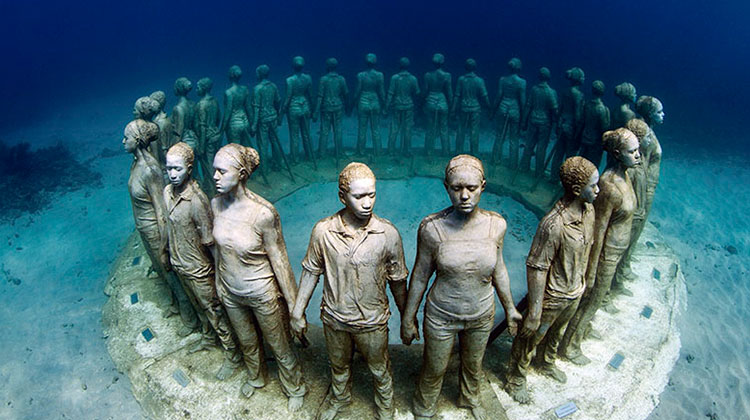
Alt Text: Divers explore "The Silent Evolution" at MUSA in Cancun, showcasing the monumental scale of the underwater sculptures and their integration into the marine environment.
One of the most iconic installations at MUSA is "The Silent Evolution," a collection of life-sized human figures depicting various members of the local community. These sculptures, along with others like "The Gardener of Hope" and "Inertia," are made from a special porous concrete that encourages coral colonization. The rough texture of the concrete provides an ideal surface for coral larvae to attach and grow, turning the sculptures into vibrant artificial reefs. This provides habitats for marine life, diverting tourists from natural reefs and promoting environmental awareness.
Visiting MUSA
MUSA is located off the coast of Cancun and Isla Mujeres, Mexico. Visitors can explore the museum through diving or snorkeling tours. The sculptures are placed at varying depths, with some accessible to snorkelers in shallow waters and others requiring scuba diving to reach. A permit is required to visit MUSA, typically included in the price of a tour. Numerous tour operators offer trips to the museum, catering to different skill levels and interests. You can find tour information at MUSA's Official Website.
Jason deCaires Taylor's Vision
"The idea behind MUSA was to create a symbiotic relationship between art and nature," explains artist Jason deCaires Taylor. "By using materials that encourage coral growth, we're not just creating art; we're creating new habitats for marine life. We hope that MUSA will inspire people to appreciate the beauty of the underwater world and to take action to protect it."
Jason deCaires Taylor’s Sculptures in Grenada’s Marine Park
In Grenada's Marine Park, Jason deCaires Taylor has created another remarkable collection of underwater sculptures. These pieces, however, have a distinct historical and cultural significance, reflecting the local life and history of the island.
Cultural Significance and Ecosystem Rehabilitation
The sculptures in Grenada include depictions of local fishermen, historical figures, and everyday scenes from Grenadian life. One notable sculpture is "Vicissitudes," a circle of children holding hands, symbolizing the continuity of life and the importance of community.
Alt Text: The underwater sculpture "Vicissitudes" in Grenada's Marine Park, featuring a circle of children holding hands, showcasing the cultural significance and the sculptures' role in rehabilitating the marine ecosystem.
These sculptures have played a crucial role in rehabilitating the marine ecosystem, particularly after damage caused by hurricanes. The structures provide a substrate for coral and other marine organisms to colonize, helping to restore the reef ecosystem.
Visiting the Grenada Underwater Sculpture Park
The Grenada Underwater Sculpture Park is located in Molinere Bay, a protected marine area. The sculptures are accessible through diving and snorkeling tours, with depths ranging from 5 to 25 feet. Visibility conditions are generally good, but it's always best to check with local tour operators for current conditions. As the site is a protected marine area, responsible tourism is paramount. Divers and snorkelers are encouraged to avoid touching the sculptures and to respect the marine environment. More information on diving in Grenada can be found here.
Environmental Impact of Underwater Art Museums
Underwater art museums offer several positive environmental impacts:
- Habitat Creation: The sculptures provide artificial reefs, offering habitats for marine life.
- Tourism Diversion: They divert tourists away from fragile natural reefs, reducing pressure on these ecosystems.
- Environmental Awareness: They raise awareness about marine conservation and the importance of protecting our oceans.
- Coral Growth: The materials used in the sculptures are designed to encourage coral colonization and growth.
Ethical Considerations: Take Only Photos, Leave Only Bubbles
When visiting underwater art museums, it's crucial to remember to "take only photos and leave only bubbles." Avoid touching the sculptures or disturbing the marine life. Follow local guidelines and regulations to ensure that these unique sites are preserved for future generations.
Planning Your Visit
Here are some practical tips for planning a trip to these incredible underwater museums:
- Best Time to Visit: Consider the weather and water conditions. Summer months generally offer the best visibility and warmer water temperatures.
- What to Bring: Pack reef-safe sunscreen, a swimsuit, a towel, and underwater camera gear.
- Certification Requirements: Check the diving certification requirements for each site. Some sculptures are accessible to snorkelers, while others require scuba diving certification.
- Responsible Diving/Snorkeling Practices: Avoid touching the sculptures, disturbing marine life, and follow all local regulations.
- Tour Operators: Choose reputable tour operators who prioritize environmental sustainability.
Conclusion
Underwater art museums represent a unique convergence of art, adventure, and conservation. They offer a captivating experience for art enthusiasts and divers alike, while also contributing to the health and well-being of marine ecosystems. By exploring these destinations responsibly, we can support sustainable tourism and help protect our oceans for future generations. Dive into art, and discover a world beneath the waves!
TikTok Video:
(Imagine the following in a short, compelling TikTok video)
HOOK (0-3 seconds):
- Dramatic close-up of a school of brightly colored fish (parrotfish, angelfish) suddenly bursting from behind one of Jason deCaires Taylor's sculptures at MUSA. Shot in slow-motion, highlighting the vibrant colors and fluid movement of the fish. Dramatic lighting creates a sense of wonder and awe.
SCENE (3-8 seconds):
- Rapid transition to a wide shot of the sculpture garden at MUSA. The camera orbits one sculpture (e.g., "The Silent Evolution"), revealing its scale and the surrounding marine life. Depth of field effect blurs the background, focusing attention on the sculpture. Vibrant and colorful aesthetic showcases the interplay of art and nature. Time-lapse footage shows coral growth.
TWIST (8-12 seconds):
- Suddenly, the camera dramatically zooms in on a small detail of the sculpture – a coral formation that unexpectedly resembles a human face or an animal. Dramatic shadows emphasize the unexpected resemblance. The audio switches to a whimsical, almost surreal sound effect (e.g., a slowed-down laugh or a playful chime). The emotion evoked is surprise and curiosity.
Text Overlay (3-12 seconds):
- Throughout the video, use concise text overlays: "Art... Underwater?", "Nature's Canvas," and "MUSA: Where Art Meets the Ocean," displayed in a clean, modern font.
Music:
- Use a royalty-free track that is both ethereal and upbeat, with a touch of whimsy.
Call to Action (12-15 seconds):
- End with a shot of a diver giving a thumbs-up, followed by a call to action: "Dive into Art! Plan Your Trip to MUSA Today! #UnderwaterArt #MUSA #Cancun #TravelGoals #MarineConservation."