Stargazing with a Specialist: Unveiling the Sout...
Embark on an unforgettable journey to the NamibRand Dark Sky Reserve, one of the darkest places on Earth, for an immersive experience blending NamibRand astronomy tours with unparalleled geological exploration. This isn't just a vacation; it's an opportunity to learn from experts, witness breathtaking celestial phenomena, and contribute to vital conservation efforts in the heart of Namibia. Join us as we uncover the wonders of the Southern Hemisphere constellations and the ancient secrets etched into the NamibRand's dramatic landscape.
A Night Under the Namibian Stars
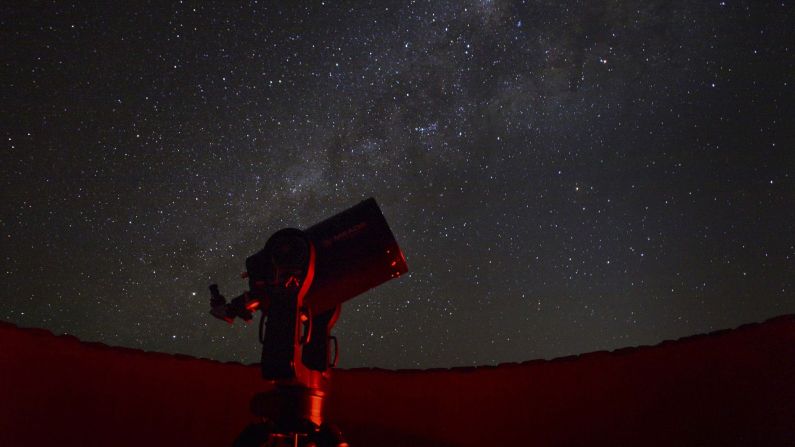
Imagine standing beneath an ink-black sky, the Milky Way stretching like a luminous river across the heavens. In the NamibRand Dark Sky Reserve, this is not a dream, but a reality. Our dark sky reserve stargazing Namibia experience begins after sunset, as the last rays of light fade and the celestial tapestry unfolds. We utilize a state-of-the-art Celestron CPC 1100 GPS (XLT) telescope, allowing us to peer deep into the cosmos. This powerful instrument, combined with expert guidance, brings distant galaxies, nebulae, and star clusters into sharp focus.
Navigating the Night Sky with SkySafari 7 Pro
To fully appreciate the celestial wonders above, we employ the SkySafari 7 Pro app, a powerful planetarium in your pocket. This intuitive app allows for real-time star identification, celestial navigation, and provides detailed information on thousands of astronomical objects. Simply point your device at the sky, and the app will identify the stars, planets, and constellations in your field of view. With SkySafari 7 Pro, you'll learn to navigate the night sky like a seasoned astronomer, enhancing your Namibia luxury astrotourism adventure. SkySafari 7 Pro app download page
Discovering Southern Hemisphere Constellations
The Namibian winter (June-August) offers exceptional viewing conditions for a variety of Southern Hemisphere constellations. Key among these are Crux (the Southern Cross), Centaurus, and Carina.
- Crux: The smallest of the 88 modern constellations, Crux is easily recognizable by its four bright stars. It serves as an important navigational tool in the Southern Hemisphere.
- Centaurus: This large constellation is home to Alpha Centauri, the closest star system to our own. It also contains Omega Centauri, a spectacular globular cluster with millions of stars.
- Carina: Once part of the larger constellation Argo Navis (the ship Argo), Carina is now a constellation in its own right. It boasts several bright stars and the stunning Carina Nebula, a vast cloud of gas and dust where new stars are born.
Capturing the Cosmos: Astrophotography Techniques
For those interested in capturing the beauty of the night sky, we offer expert guidance in astrophotography. To photograph constellations like Crux, Centaurus, and Carina, consider the following settings:
- ISO: 3200
- Aperture: f/2.8
- Exposure Time: 30 seconds
For even sharper images and longer exposures, a star tracker is highly recommended. This device compensates for the Earth's rotation, allowing you to capture pinpoint stars and faint details. Experiment with different settings and techniques to find what works best for you.
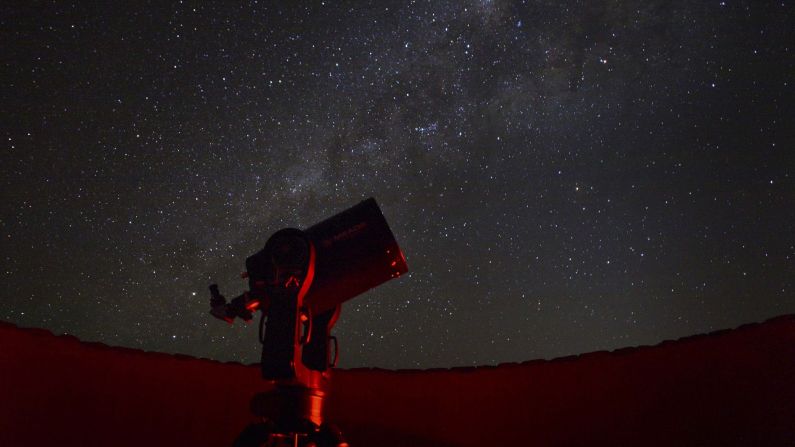
Here's a stunning view of stars:
Beginner's guides to astrophotography provide valuable information for those new to the field.
Unearthing the NamibRand's Geological History
The NamibRand's beauty extends far beyond the stars. Our guided hiking tours reveal the region's unique geology, shaped by millions of years of geological forces. Explore the visible folded metamorphic rocks, primarily gneiss and schist, that tell a story of immense pressure and heat deep within the Earth's crust. These rocks, some of the oldest on the African continent, offer a tangible connection to the planet's ancient past.
Decoding the Landscape: Geological Survey Maps
To gain a deeper understanding of the NamibRand's geological composition, we utilize geological survey maps published by the Geological Survey of Namibia. These maps provide detailed information on the distribution of rock types, geological structures, and mineral resources. Learning to access and interpret these maps adds a new dimension to your exploration of the landscape. The Geological Survey of Namibia's online map database provides access to a wealth of geological data.
Ethical Geology: Leave No Trace
When exploring the NamibRand's geology, it's essential to adhere to 'leave no trace' principles. Avoid collecting rock samples unless you have explicit permission from the relevant authorities. Respect the environment and minimize your impact on this fragile ecosystem. Remember, the goal is to observe and learn, not to alter or damage the landscape.
Capturing the Earth's Art: Daytime Photography Techniques
Showcase the NamibRand's rock formations with stunning daytime photographs. Using a polarizing filter can significantly reduce glare and enhance the colors of the rocks. Experiment with different angles and lighting conditions to capture the textures and patterns that make the NamibRand's geology so unique.
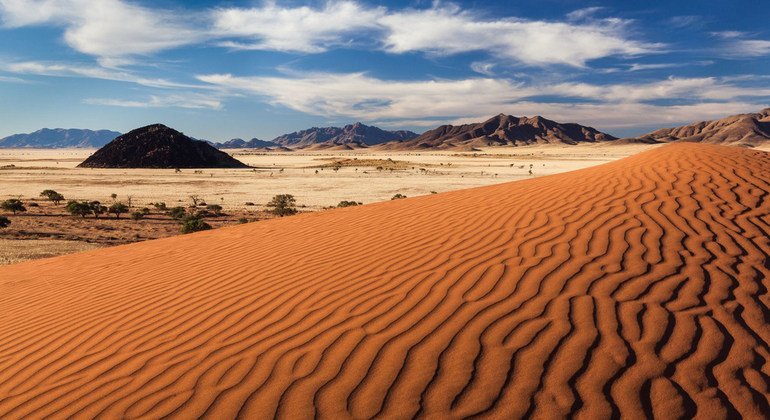
Here's an example of stunning geological formations:
Academic papers on Namibian geology from universities like the University of Namibia offer even deeper insights.
Conservation in Action: Protecting the Hartmann's Mountain Zebra
The NamibRand Nature Reserve is not just a place of stunning beauty and scientific significance; it's also a vital haven for wildlife. The community-run conservancies within the NamibRand play a crucial role in supporting anti-poaching patrols for Hartmann's mountain zebra, a species endemic to southwestern Africa.
Ecotourism Funding: A Direct Impact
Ecotourism revenue directly funds these critical conservation efforts. By choosing to experience the NamibRand with VistaLocation, you are directly contributing to the protection of this iconic species and the preservation of its habitat.
Anti-Poaching Strategies: On the Front Lines
Specific examples of anti-poaching strategies include:
- Ranger patrols: Dedicated rangers patrol the reserve, monitoring wildlife populations and deterring poachers.
- Wildlife monitoring: Tracking animal movements and identifying potential threats.
- Community engagement: Working with local communities to promote conservation and sustainable resource management.
The NamibRand Nature Reserve website offers more details about its ongoing conservation projects. It's not just a geological expedition NamibRand or an astronomic experience; it's a contribution to something bigger.
Resources for Further Exploration
Ready to delve deeper into the wonders of the NamibRand? Here’s a curated list of resources for further learning:
- The NamibRand Nature Reserve: https://namibrand.org/ – Official website with information on conservation efforts, accommodation, and activities.
- The Geological Survey of Namibia: https://www.mme.gov.na/gsn/information/maps – Access geological maps and data.
- University of Namibia Geology Department: https://www.unam.edu.na/ – Search for academic publications on Namibian geology.
- SkySafari 7 Pro: https://skysafariastronomy.com/ - Download the app for celestial navigation.
- Beginner's Guide to Astrophotography: https://www.space.com/16149-night-sky.html - Introduction to capturing the night sky.
Embark on Your NamibRand Adventure
The NamibRand Dark Sky Reserve offers a truly unique travel experience, blending advanced astronomy, geological exploration, and vital conservation efforts. Whether you are a seasoned stargazer, a budding geologist, or simply seeking an unforgettable adventure, the NamibRand has something to offer. Book your NamibRand Dark Sky Reserve guided tours today and discover the magic of the Southern Hemisphere constellations.