Stargazing & Geological Wonders: My Namibian Adv...
Namibia, a land of stark contrasts, captivated me from the moment I arrived. From the desolate, haunting beauty of the Skeleton Coast to the ancient, towering dunes of the Namib Desert, this country is a geological playground. But beyond the Earth's wonders, Namibia offers an even more breathtaking spectacle: an unparalleled view of the cosmos. The dark skies here are truly something special, drawing astrophotographers like me from around the globe. This trip was a dream come true, blending my passions for geology and astronomy in a way I never thought possible. And if you're searching for that perfect blend of adventure and discovery, this Namibia travel guide is for you.
Reaching for the Stars: A Star Party at Wolwedans Boulders River Camp
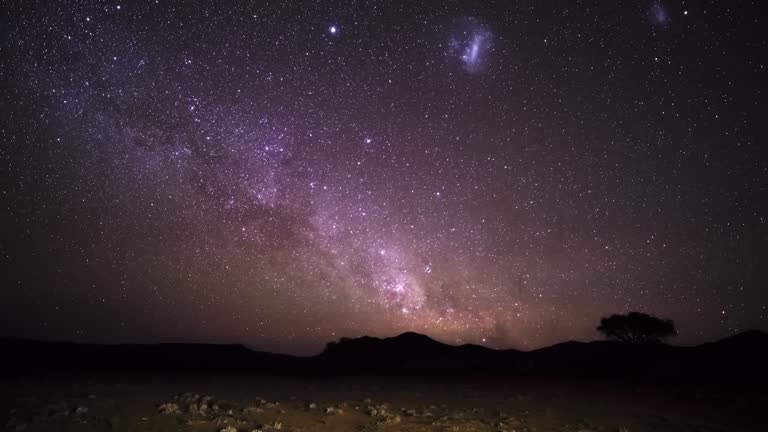
My journey began at Wolwedans Boulders River Camp, and I can't recommend it enough for anyone serious about Namibia stargazing. Tucked away in the NamibRand Nature Reserve, the camp boasts some of the darkest skies I've ever witnessed. The sheer number of stars visible to the naked eye was astounding, a glittering tapestry woven across the inky blackness. The camp organizes regular star parties, and I was fortunate enough to attend one during my stay.
They had high-quality telescopes set up, including a beautiful Schmidt-Cassegrain, allowing for breathtaking views of nebulae, galaxies, and planets. I spent hours marveling at the vibrant colors of the Lagoon Nebula, located in Sagittarius, and tracing the arc of Scorpius as it stretched across the southern sky. What truly impressed me was Wolwedans' commitment to minimizing light pollution. They use low-intensity, shielded lighting and educate guests about the importance of preserving dark skies, crucial for responsible astrotourism Namibia.
Ghost Ships and Desert Giants: A 4x4 Tour of the Skeleton Coast
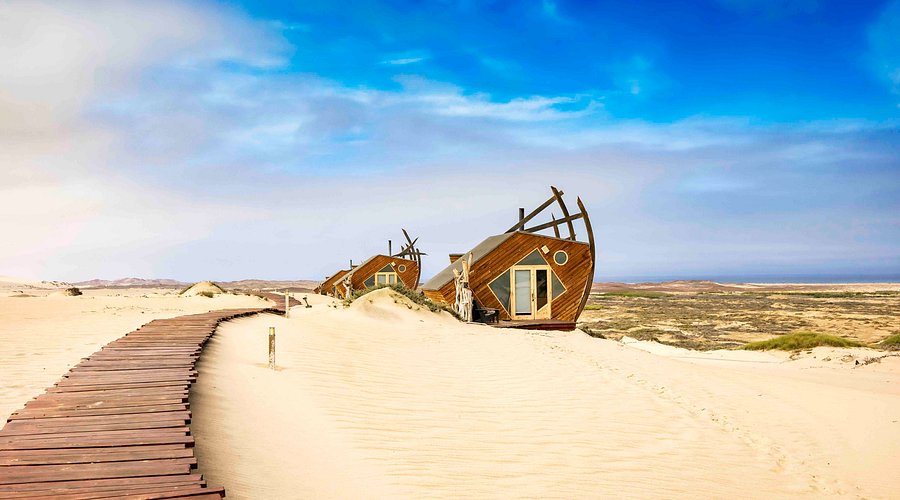
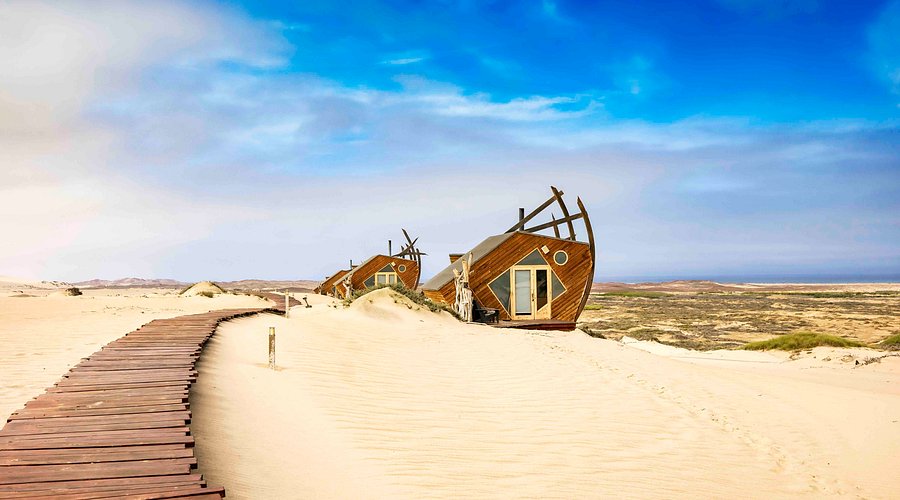
The next leg of my adventure took me to the infamous Skeleton Coast. Forget sunbathing; this place is all about eerie beauty and stark reminders of nature's power. I joined a guided Skeleton Coast 4x4 tour, and it was an unforgettable experience. The landscape is otherworldly, a desolate expanse where the desert meets the Atlantic Ocean.
We visited the wrecks of the Eduard Bohlen and the Otavi, two ghostly reminders of ships that met their fate on this unforgiving coastline. The Eduard Bohlen, half-buried in the sand far from the shore, was particularly haunting. We also stopped at Cape Cross, home to a massive colony of Cape fur seals. The sheer number of seals, the noise, and the smell were overwhelming, but it was an incredible wildlife encounter.
The biggest surprise of the tour? Spotting desert-adapted elephants! These magnificent creatures have evolved to survive in this harsh environment, traveling long distances in search of water. As a geologist, I was fascinated by the rock formations along the coast. We saw everything from ancient volcanic rock to sedimentary layers formed over millions of years.
A Taste of Namibia: Oryx Steak Under the Stars
Namibian cuisine is as unique and diverse as the country itself. One evening, I had the incredible opportunity to enjoy an Oryx steak prepared over an open fire under the stars. The meat was incredibly tender and flavorful, with a slightly gamey taste that was perfectly complemented by the smoky char from the fire. The experience of dining in the middle of the desert, with the Milky Way blazing overhead, was truly magical.
I also tried "Biltong," a type of dried, cured meat similar to jerky. Personally, I wasn't a huge fan. It was a bit too dry and salty for my taste, but I'm glad I gave it a try. I think I will stick with the Namibian cuisine Oryx steak!
The Soul of the Desert: Exploring the Namib's Landscapes
The Namib Desert is a place that gets under your skin. It's vast, ancient, and utterly captivating. The towering red dunes of Sossusvlei are a must-see. I climbed Dune 45 at sunrise, and the view from the top was breathtaking. The colors of the sand, shifting from deep red to vibrant orange as the sun rose, were simply stunning. I also attempted Big Daddy, but that dune is a real challenge!
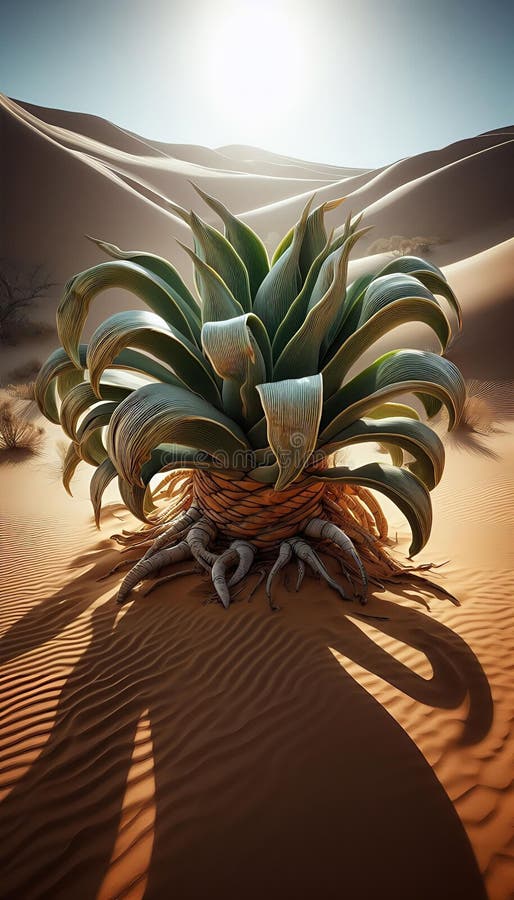
Sesriem Canyon, with its surreal clay castles, is another highlight. The canyon was carved by the Tsauchab River over millions of years, exposing layers of sedimentary rock. I was particularly fascinated by the desert-adapted plant life, especially the Welwitschia mirabilis. These ancient plants can live for over a thousand years, surviving in the harsh desert environment thanks to their deep roots and unique leaf structure. They are a reminder of the resilience of life in even the most extreme conditions.
The Namib Desert is one of the oldest deserts in the world, dating back approximately 55 million years. Its formation is linked to the Benguela Current, a cold ocean current that flows along the coast of southwestern Africa, preventing the formation of rain clouds and creating the arid conditions that characterize the desert.
Welwitschia Mirabilis: Ancient Desert Survivor
The Welwitschia mirabilis Namib Desert plant is a true marvel of adaptation. These plants, often referred to as "living fossils," can live for hundreds or even thousands of years in the harsh environment of the Namib Desert. They consist of only two leaves that continuously grow from their base, often becoming tattered and frayed over time, giving them a unique and somewhat alien appearance. Their survival depends on a deep taproot system that allows them to access groundwater and an ability to efficiently capture moisture from fog, a common occurrence along the Namibian coast. Seeing these ancient plants scattered across the desert landscape was a powerful reminder of the enduring nature of life and the incredible adaptations that allow organisms to thrive in extreme conditions.
Astrophotography Challenges in the Namib
While the Namib Desert offers incredible stargazing opportunities, it also presents some unique challenges for Namib Desert astrophotography. Sandstorms can be a real problem, kicking up dust that obscures the sky and damages equipment. I had to be extra careful to protect my camera gear. My equipment consisted of a Nikon D850 with a 24-70mm and a 70-200mm lens. While sufficient, I longed for a wider aperture lens to capture even more of the faint details in the night sky.
Finding truly dark sky locations was also more difficult than I anticipated. Even in the remote areas of the Namib, distant city lights can create light pollution that impacts the quality of astrophotographs. Finally, the low humidity and high altitude meant I had to be extra careful about condensation forming on my lenses. Long exposure shots were essential to capture the faint light from distant stars and galaxies, requiring careful planning and precise tracking.
Essential Tools for Astrophotography in Namibia
To overcome these challenges, I relied on a few key apps and tools:
- Stellarium: A free, open-source planetarium software that allows you to plan your shots by showing you exactly where celestial objects will be in the sky at any given time.
- Dark Sky Map: This app shows you the levels of light pollution in different areas, helping you find the darkest possible locations.
- PhotoPills: A comprehensive app that helps you calculate everything from the optimal exposure settings to the best time to photograph the Milky Way.
Responsible Astrotourism: Preserving Dark Skies
It's crucial that we practice responsible astrotourism to protect these precious dark sky environments. We can all do our part by:
- Minimizing light pollution by using shielded lighting and turning off unnecessary lights.
- Supporting businesses and organizations that are committed to preserving dark skies.
- Educating others about the importance of dark sky conservation.
By taking these steps, we can ensure that future generations will have the opportunity to experience the wonder of the night sky.
Namibia: A Geologist's and Astrophotographer's Paradise
My trip to Namibia was an incredible adventure, a perfect blend of geological exploration, stunning landscapes, and unparalleled Namibia stargazing. Whether you're a seasoned astrophotographer or simply someone who appreciates the beauty of the night sky, Namibia is a destination that will leave you in awe. I highly recommend it to my fellow geology and astronomy enthusiasts. Plan your trip today and prepare to be amazed! Looking for the best Skeleton Coast 4x4 tour operator? Ask Vistalocation about options.