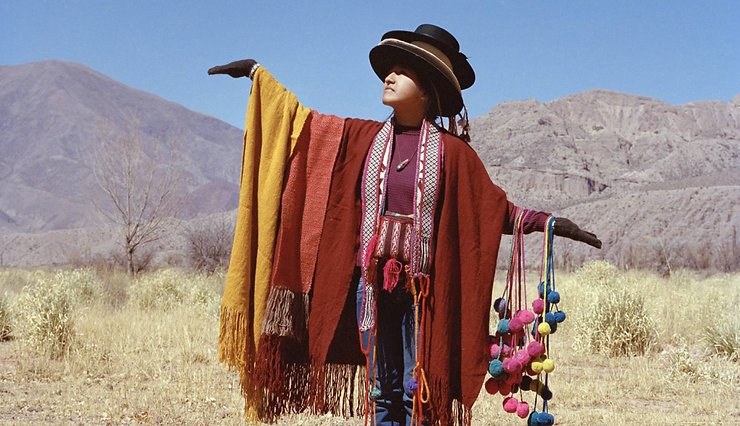
Stargazing and Solidarity: An Astrophotographer'...
The world dissolved into a canvas of pure black the moment I stepped off the jeep. Above, the Milky Way blazed with an intensity I’d only ever witnessed in the darkest corners of the world. Below? An identical reflection, the Salar de Uyuni transforming into a colossal mirror. Disorientation slammed into me as I realized I was standing on the largest salt flat on Earth, the ground so impossibly flat, so reflective, that it felt as though I was floating in an infinite sea of stars. Capturing the magic of the night sky here would be the ultimate challenge, but the rewards, I suspected, would be immeasurable. This is the story of my Salar de Uyuni astrophotography tour.
The journey wasn’t just about capturing breathtaking images; it became a powerful lesson in environmental awareness and an eye-opening introduction to the indigenous communities fighting to protect their ancestral lands. Come along with me as I traverse the Salar de Uyuni, the Kolla people, and the culinary wonders of Bolivia.
The Disorienting Majesty of the Salar at Night
The first few hours were a comedy of errors. I wrestled with my Celestron NexStar Evolution 9.25" Schmidt-Cassegrain telescope, its GoTo mount struggling to find its bearings in the alien landscape. The thin air, a constant reminder of the Salar’s altitude (over 11,000 feet), left me breathless with every adjustment. Each step was a calculated one to ensure my equilibrium was in check.
Back at the hotel, I relied heavily on PixInsight to coax the faintest details from the raw images. Every photograph I took required careful editing and adjustments. Stellarium became my nightly guide, meticulously planning Milky Way shots, while the PhotoPills app was an absolute necessity for calculating the optimal times for capturing specific celestial alignments. Getting the shot demanded precision, patience, and a whole lot of hot coca tea.
Lithium's Shadow: An Environmental Awakening
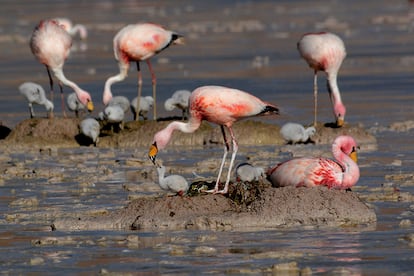
The pristine beauty of the Salar masked a harsh reality. During the day, I noticed vast, artificial lagoons shimmering in the distance - the evaporation ponds of lithium mining operations. I had read about the impact of lithium mining Salar de Uyuni environment, but witnessing it firsthand was deeply unsettling. These ponds, crucial for extracting lithium for batteries, are also depleting the precious groundwater supply, threatening the delicate ecosystem, and displacing Andean flamingo breeding grounds.
Suddenly, my astrophotography felt less significant. Capturing pretty pictures seemed hollow in the face of such environmental degradation. I realized I needed to understand the human cost of this extraction, the communities whose lives were intrinsically linked to the Salar.
Encountering the Kolla People: An Ancestral Connection
My perspective shifted entirely when I had the privilege of spending time with the Kolla people, an indigenous community whose ancestral lands encompass the Salar de Uyuni. I booked a tour through Apus Peru Adventure Travel, specifically because of their commitment to sustainable tourism Salar de Uyuni and community-based initiatives.
The Kolla's connection to the land is profound, a relationship built on respect and reciprocity. They have lived here for centuries, their lives dictated by the rhythms of the salt flats and the surrounding mountains. During my visit, I learned about their ongoing struggle against outside exploitation, their unwavering determination to protect their cultural heritage and their natural resources.
I was invited into a Kolla family's home, where I witnessed their traditional weaving techniques using alpaca wool. The intricate patterns weren't just decorative; they were a reflection of their cosmology, each symbol telling a story of their ancestors, their relationship with the land, and their understanding of the universe. Each piece of alpaca wool and each pattern woven into the textile gave insight into the cosmos.
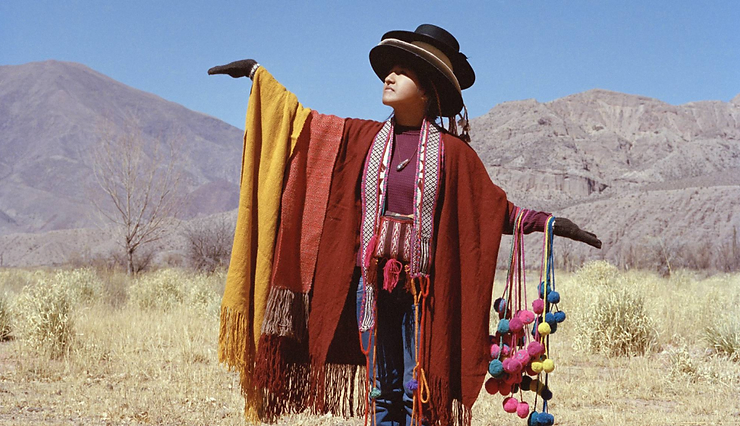
This interaction, a simple act of sharing their craft, profoundly impacted me. It reshaped my understanding of travel, transforming it from a pursuit of personal enrichment to a responsibility to support and amplify the voices of those who call these places home.
Empanadas de Quinua y Queso: A Taste of Bolivia
Beyond the stunning landscapes and cultural encounters, the culinary experiences of Bolivia were a delightful discovery. While I tried many local dishes, one stood out above the rest: Empanadas de Quinua y Queso. These savory pastries, filled with quinoa and cheese, were unlike anything I’d ever tasted. The unique flavor profile, a blend of earthy quinoa, salty cheese, and a hint of spice, was absolutely addictive. The best I found was from a street vendor near the Uyuni train cemetery – a small, unassuming cart that churned out these golden delights all day long. Finding these delicious and authentic Bolivian Empanadas de Quinua y Queso Salar de Uyuni was a high point in my travels.
A Call to Action: Travel Responsibly
My journey through the Salar de Uyuni was more than just an astrophotography adventure. It was a lesson in environmental stewardship, cultural appreciation, and the importance of responsible travel. I urge you, if you plan to visit this extraordinary place, to do so with intention and awareness.
Here are some practical tips for aspiring astrophotographers planning a trip to the Salar:
- Acclimatize properly: Spend a few days in a city like Sucre or Potosí to adjust to the altitude before heading to the Salar.
- Gear recommendations: A sturdy tripod is essential, as is a wide-angle lens with a fast aperture (f/2.8 or wider). Don't forget warm clothing, as temperatures can plummet at night.
- Ethical considerations: Choose tour operators that prioritize sustainable tourism and support local communities. Be mindful of your environmental impact and avoid disturbing the delicate ecosystem. Learn about Salar de Uyuni indigenous culture before embarking on your trip.
Support sustainable tourism Salar de Uyuni by choosing eco-friendly tour operators and respecting the environment. Be mindful of the environmental impact of your travel choices. Before you travel learn how to minimize impact Salar de Uyuni tourism so the site stays a beautiful location for generations to come.
The Salar de Uyuni is a place of unparalleled beauty and profound cultural significance. By traveling responsibly, we can help ensure that it remains a source of wonder for generations to come, supporting both the night sky and the communities that call it home. Consider booking an ethical tour that supports Kolla communities Salar de Uyuni.
Remember, every journey has the potential to be a force for good. Let's make sure our travels leave a positive mark on the world.