Spice Islands Feast: Uncovering Zanzibar's Culin...
Zanzibar, the "Spice Island," whispers tales of sultans, traders, and explorers. More than just pristine beaches and turquoise waters, Zanzibar boasts a rich culinary heritage shaped by centuries of spice trade with India, Arabia, and beyond. This history is vividly reflected in its unique dishes, offering an authentic Zanzibari food experience. From the aromatic Biryani ya Zanzibar to the vibrant Urojo Soup and the ever-surprising Zanzibari Pizza, Zanzibar's cuisine is a flavorful journey through time. Let's delve into the heart of this gastronomic paradise and uncover the stories behind three iconic dishes.
Biryani ya Zanzibar: Aromatic Celebration
Imagine stepping into a Zanzibari home during an Idd celebration. The air is thick with anticipation, but more than that, it's infused with the intoxicating aroma of Biryani ya Zanzibar. Cardamom, cloves, cinnamon, and star anise dance in the air as the lid is lifted from a steaming pot, revealing a kaleidoscope of colors and textures. This is not just a meal; it's a communal experience, a shared celebration of heritage and flavor.
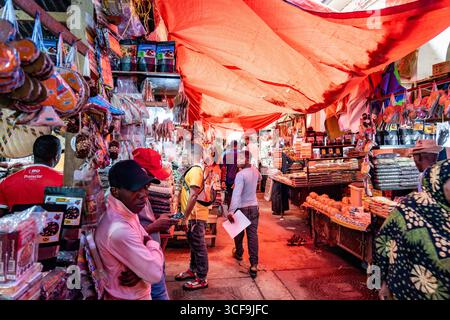
The key to an exceptional Biryani ya Zanzibar lies in the careful selection of spices. The Darajani Market Zanzibar spices are the backbone of this dish. I ventured into its bustling heart, a sensory explosion of vibrant colors and intoxicating fragrances.
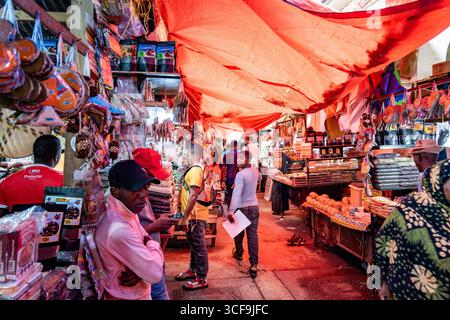
I spoke with a local spice merchant, Salim, whose family has traded in spices for generations. He explained that his cardamom comes from the lush hills of Pemba Island and his cloves are sourced directly from local farmers. "The secret," he confided, "is using the freshest spices possible." Sourcing spices from local farmers such as these allows cooks to make truly authentic recipes.
Biryani ya Zanzibar differs from other biryanis, particularly those found on the Indian subcontinent, due to the inclusion of coconut milk. This addition lends the dish a creamy richness and subtly sweet flavor that is unique to the region. Tender pieces of goat meat, slow-cooked to perfection, mingle with fragrant basmati rice infused with these incredible spices. The slow cooking process ensures that the flavors meld together, creating a symphony of taste and aroma in every bite. If you're looking for Biryani ya Zanzibar best restaurant, try exploring the smaller, family-run establishments in Stone Town.
Biryani ya Zanzibar Recipe
While every family has their own closely guarded recipe, the core ingredients remain the same:
- Basmati Rice
- Goat Meat (or chicken/beef)
- Coconut Milk
- Cardamom
- Cloves
- Cinnamon
- Star Anise
- Onions
- Garlic
- Ginger
The key is in the layering of flavors and the slow, patient cooking process that allows the spices to fully infuse the rice and meat.
Urojo Soup (Zanzibar Mix): A Street Food Symphony
No Zanzibar food experience is complete without sampling the vibrant street food scene, and Urojo Soup, also known as Zanzibar Mix, is a must-try. Imagine a Zanzibar street food vendor in Stone Town, skillfully assembling this culinary masterpiece.
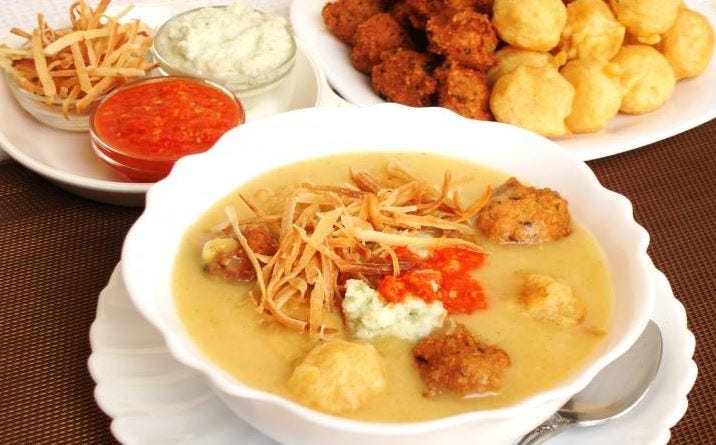
With practiced hands, he combines crispy fried potatoes, golden bhajias, boiled eggs, shredded chicken, and a generous dollop of tangy tamarind and mango chutney into a single bowl. Urojo Soup is a testament to the harmonious blend of cultures that defines Zanzibar.
The magic of Urojo Soup lies in its contrasting textures and the explosion of flavors – sweet, sour, and spicy – that dance on your palate. The bhajias, small fritters made from chickpea flour, are seasoned with a blend of spices, including turmeric, cumin, coriander, and chili powder. The vendor I spoke with, Omar, mentioned that he sources his spices from the same suppliers as his grandmother did, prioritizing quality over price. This careful attention to detail is what makes his Urojo Soup so special. Finding the perfect Urojo soup Zanzibar street food vendor is part of the fun!
What is Urojo made of?
- Fried Potato Crisps
- Bhajias (chickpea fritters)
- Boiled Eggs
- Shredded Chicken (optional)
- Tamarind Chutney
- Mango Chutney
- Chili Flakes
The combination of these elements creates a truly unique and unforgettable street food experience.
Zanzibari Pizza: A Culinary Mashup
Forget what you think you know about pizza. Authentic Zanzibar pizza is a world apart. Listen to the sizzling sound as a vendor cooks it fresh on a hot griddle. The dough is stretched incredibly thin, almost translucent, before being layered with a concoction of egg, cheese, chopped vegetables (onions, peppers, tomatoes), and your choice of meat (beef, chicken, or seafood). Finally, it's drizzled with mayonnaise and chili sauce.
What truly sets it apart is the inclusion of pilau masala, a fragrant spice mix typically used in rice dishes. The vendor I observed swore by a specific brand of pilau masala, which he purchased from a small shop specializing in Indian spices just outside Darajani Market. The inclusion of pilau masala as the key spice mix on top of the pizza reflects Zanzibar's diverse cultural influences, a testament to its history as a crossroads of trade and cultures. This unexpected combination of flavors and textures might sound unusual, but it's a delicious and surprisingly satisfying culinary adventure. If you want to know where to eat authentic Zanzibar pizza, just follow your nose to the nearest bustling street corner.
The Spice Island's Legacy: More Than Just a Flavor
The spices that define Zanzibar's cuisine are more than just ingredients; they are a tangible link to its history and cultural heritage. From the cardamom in the Biryani ya Zanzibar to the turmeric in the Urojo Soup, each spice tells a story of trade, exploration, and cultural exchange.
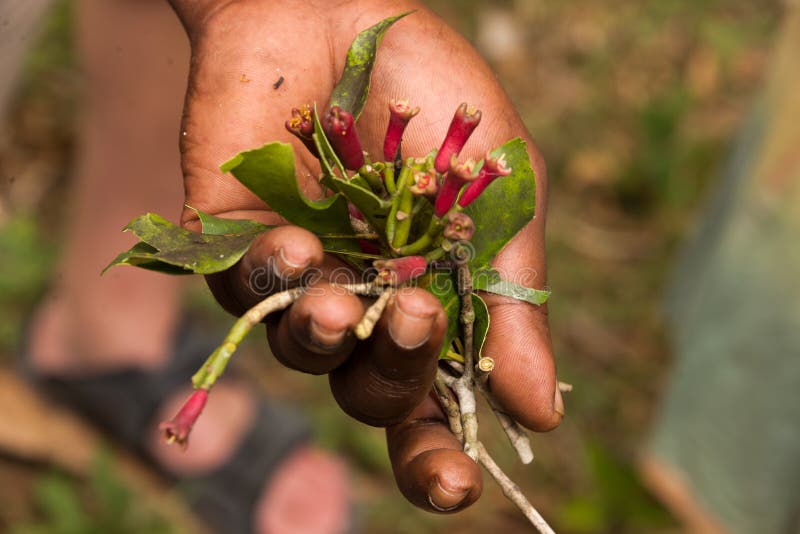
Here is a short video offering a view of local spice harvesting:
A Zanzibar spice tour or a visit to a spice plantation offers a glimpse into this rich agricultural heritage. Zanzibar spice farm tours allow visitors to learn about the cultivation and processing of cloves, cinnamon, nutmeg, and other spices that have made Zanzibar famous. These tours often include opportunities to sample the spices and learn about their medicinal and culinary uses. For those interested, Zanzibar spice farm tours often provide a hands-on and aromatic immersion into the heart of Zanzibar's identity.
History of the Spice Trade in Zanzibar
The Spice Route shaped Zanzibar's destiny. Its location on the Indian Ocean Trade routes made it a key hub for the exchange of goods between East Africa, Asia, and Europe. Cloves, in particular, became a major export, transforming Zanzibar into a global center for spice production.
Discover Your Zanzibar Food Experience
Zanzibar's culinary scene is a vibrant tapestry woven from centuries of history, cultural exchange, and local traditions. Exploring its dishes is not just about tasting new flavors; it's about connecting with the heart and soul of the island. Whether you're indulging in the aromatic Biryani ya Zanzibar, savoring the explosion of flavors in the Urojo Soup, or experiencing the surprising delight of the Zanzibari Pizza, Zanzibar's cuisine is sure to leave a lasting impression. Book your Zanzibar spice tour today and embark on a culinary adventure you won't soon forget! And if you're keen to delve deeper into the local culinary scene, why not sign up for a Zanzibar cooking class with local family Stone Town?