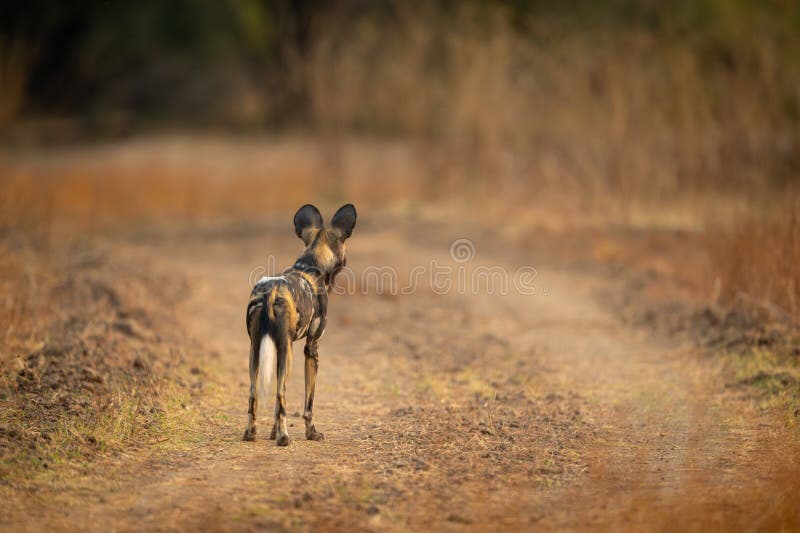
South Luangwa: Walking with Wild Dogs in Zambia'...
The pre-dawn chill bit at my cheeks as I laced up my boots, the air thick with anticipation. This wasn't just another safari; this was a journey into the heart of Zambia, a chance to experience the African bush on its own terms, on foot, in South Luangwa National Park – the home of the walking safari. My mission: to track the elusive wild dogs, painted wolves, on their own turf, a truly wild dog tracking Zambia adventure. This trip promised an immersive wildlife experience, a deep connection with the land, and a respectful engagement with the local culture, all wrapped into five unforgettable days. I was ready to step into Zambia's untamed heart.
Day 1: Arrival and First Impressions
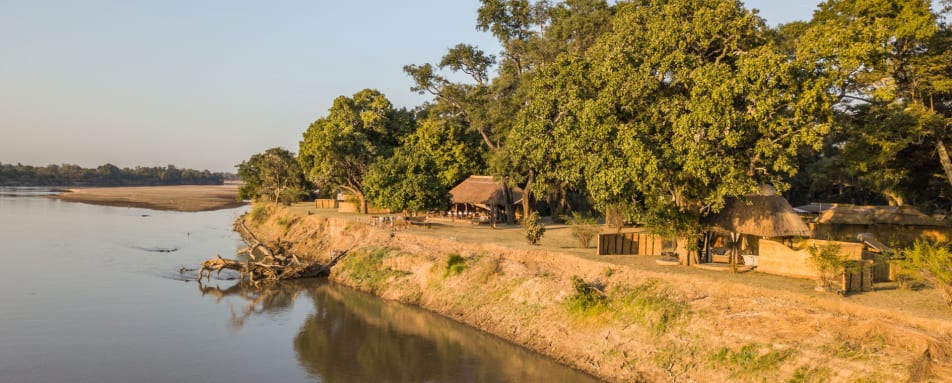
Touching down at Mfuwe Airport, the warmth of Zambia embraced me immediately. The transfer to the bush camp was a sensory feast – the earthy smell of the soil, the vibrant greens of the vegetation, and the distant calls of birds I couldn't yet identify. The camp itself was nestled beautifully near the Luangwa River, a haven of comfortable tents discreetly tucked away amongst the towering ebony groves. The ebony trees provided a welcome canopy, filtering the harsh sunlight into dappled patterns on the ground. After settling in, our afternoon was dedicated to an introductory game drive. It wasn't about ticking off a checklist of animals; it was about acclimatizing, about letting the sounds and smells of the bush seep into my soul. The guttural roar of a distant lion, the high-pitched chirps of insects, and the pungent aroma of dry vegetation created a symphony that was both exhilarating and grounding.
Day 2: Walking with Isaac and the Painted Wolves
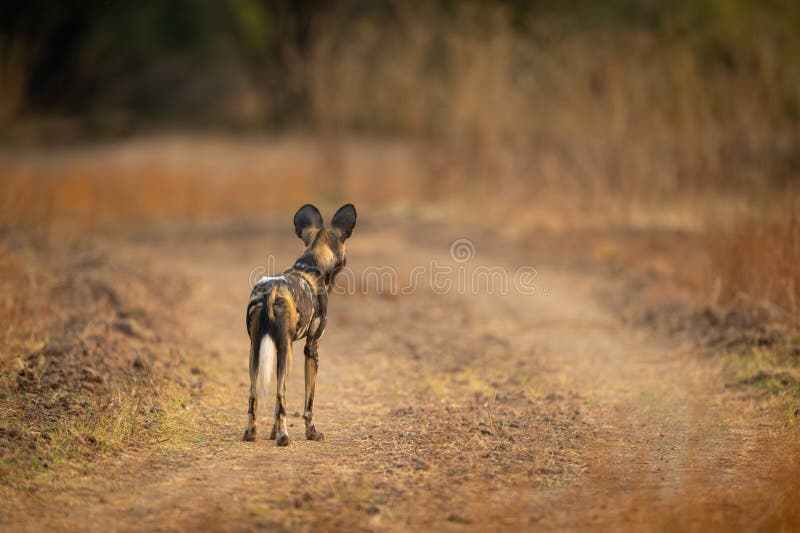
Day two dawned with a purpose: a morning walking safari dedicated to tracking wild dogs. Our guide, Isaac, a local with an encyclopedic knowledge of the bush, led the way. He explained the process: identifying tracks, analyzing scat, and listening for telltale signs that indicated the presence of these nomadic hunters. The anticipation was palpable as we followed the faint tracks in the sandy soil, the excitement building with each fresh clue. Isaac stressed the importance of wild dog conservation, highlighting the threats they face from habitat loss and human-wildlife conflict. Lunch back at the bush camp was a simple but delicious affair: Nshima with relish. The Nshima, a staple Zambian dish made from maize flour, was the perfect fuel for our adventures. The relish, a flavorful sauce made with tomatoes, onions, and greens, added a burst of flavor. The afternoon was spent relaxing by the Luangwa River, observing the wildlife that came to drink – elephants, giraffes, and a myriad of birds.
What is a walking safari in South Luangwa like?
A walking safari in South Luangwa is an unparalleled opportunity to immerse yourself in the African wilderness on a deeply personal level. It's a chance to connect with the environment in a way that's simply not possible from the confines of a vehicle, engaging all your senses.
Day 3: Deeper into the Mopane Woodlands
The full-day walking safari on day three took us deeper into the mopane woodlands with Isaac. The landscape shifted, the ebony groves giving way to vast stretches of mopane trees, their distinctive butterfly-shaped leaves rustling in the breeze. Isaac pointed out different plant species, explaining their adaptations to the harsh environment. He showed us how some trees have evolved to survive droughts, while others have medicinal properties used by local communities. Tracking wild dogs in this denser terrain proved more challenging. The undergrowth was thick, and visibility was limited. But Isaac's skills were remarkable. He taught us how to read the subtle signs of the bush, how to distinguish between different animal tracks, and how to interpret the alarm calls of birds. That evening, we gathered around a campfire, listening to Isaac’s storytelling about local folklore and legends. These tales painted a vivid picture of Zambian culture, a rich tapestry woven with traditions, beliefs, and a deep respect for the natural world.
Day 4: Market Visits and River Cruises
Day four offered a glimpse into local life. We visited a bustling local market to purchase Kapenta (dried fish). The market was a riot of colors and sounds, a vibrant hub of activity where people from all walks of life came together. The Kapenta, small dried fish, are a local delicacy, packed with protein and flavor. Back at the camp, we participated in a cooking demonstration over a campfire, learning how to prepare the Kapenta. It was a simple dish, fried with tomatoes and onions, but the experience of cooking it in the open air added a special touch. The afternoon was dedicated to a sundowner boat cruise on the Luangwa River. We were fortunate enough to witness the Carmine Bee-eater nesting season, the riverbanks teeming with these colorful birds as they darted in and out of their burrows. The sunset over the Luangwa River was breathtaking, painting the sky in hues of orange, pink, and purple.
What is Zambian food like in South Luangwa?
Zambian cuisine in South Luangwa offers a unique and authentic taste of the region, primarily focusing on staples like Nshima accompanied by diverse relishes made from vegetables, beans, or meat. Kapenta, dried fish, is another common protein source, often fried with tomatoes and onions for added flavor. For the adventurous, Mopane worms, prepared with tomatoes and onion, are a unique snack or meal
Day 5: Stargazing and Farewell
Our final day began before dawn with a stargazing session facilitated by Mwansa, a local astronomer. Mwansa shared his knowledge of the constellations visible in the Zambian night sky, pointing out familiar patterns and explaining their significance in local astronomical traditions. The lack of light pollution in South Luangwa made the stars incredibly bright, revealing a celestial tapestry that was truly awe-inspiring. Mwansa also discussed the importance of dark sky preservation, highlighting the need to protect our night skies from the encroaching glow of artificial light. As I departed from Mfuwe Airport, I carried with me not just memories, but a profound sense of connection to the land, the wildlife, and the people of South Luangwa.
Zambian Flavors: A Culinary Journey
The food in South Luangwa was an integral part of the experience, offering a taste of authentic Zambian culture. Nshima with relish was a daily staple, a simple but satisfying meal that fueled our adventures. The Nshima, made from maize flour, had a slightly grainy texture and a mild flavor that complemented the rich and varied relishes. I tried relishes made with everything from pumpkin leaves to beans to beef, each one offering a unique taste sensation. Kapenta, the dried fish, was another highlight. Its salty, slightly pungent flavor was surprisingly addictive, especially when fried with tomatoes and onions. But perhaps the most adventurous dish I tried was Mopane worms prepared with tomato and onion. These large caterpillars, a local delicacy, are harvested from mopane trees and dried or smoked before being cooked. They had a surprisingly meaty texture and a slightly smoky flavor, a truly unique and culturally significant culinary experience. Eating these foods in the natural setting of the bush camp made the experience even more special, enhancing the connection to the land and the local culture.
The Sounds of the African Bush at Night
The sounds of the African bush at night are an experience in themselves. As darkness descends, a symphony of nocturnal creatures awakens, filling the air with a chorus of calls, chirps, and rustlings. The guttural roar of lions echoes in the distance, a primal sound that sends shivers down your spine. The high-pitched calls of cicadas create a constant background hum, while the chirps of crickets and the croaking of frogs add to the cacophony. The rustling of leaves indicates the presence of nocturnal animals – perhaps a genet slinking through the undergrowth or a bushbaby leaping from tree to tree. This cacophony, combined with the starlit sky, forms an unforgettable sensory experience, a constant reminder of the untamed wilderness that surrounds you.
Cultural Immersion: Learning from Isaac and Mwansa
My interactions with Isaac and Mwansa were among the most rewarding aspects of the trip. Isaac's passion for conservation was infectious. He shared stories about his childhood, growing up in a village near the park, and how his perspective on wildlife had changed over the years. He spoke about the challenges of balancing conservation with the needs of local communities and the importance of education in fostering a sense of stewardship. Mwansa, on the other hand, opened my eyes to the wonders of the night sky. He shared his knowledge of local astronomical traditions, explaining how different constellations are used for navigation and seasonal planning. He also emphasized the importance of preserving dark skies, not just for astronomical research, but also for the health of ecosystems and the well-being of humans. These conversations provided valuable insights into Zambian culture and the ongoing efforts to protect its natural heritage.
South Luangwa National Park Guide
South Luangwa National Park is located in eastern Zambia, renowned for its high concentration of wildlife and the birthplace of the walking safari. It’s approximately 9,050 square kilometers (3,490 sq mi) in size. The Luangwa River runs through the park, supporting a diverse ecosystem.
Best time to visit South Luangwa
The best time to visit South Luangwa National Park is during the dry season, which runs from May to October. During this period, vegetation thins out, making wildlife easier to spot. Animals congregate around the Luangwa River and its oxbow lagoons, providing excellent game viewing opportunities.
South Luangwa National Park Accommodation
South Luangwa offers a variety of accommodation options, ranging from luxurious lodges to rustic bush camps. Some popular choices include:
- Nkwali Camp
- Mwamba Bush Camp
South Luangwa Walking Safaris Cost
The cost of a South Luangwa walking safari varies depending on the duration, level of luxury, and tour operator. Prices generally range from $500 to $1500 per person per night. Contact vistalocation.com for specific pricing and packages.
A Transformative Journey
My five-day adventure in South Luangwa was more than just a safari; it was a transformative journey that deepened my appreciation for the natural world and the importance of sustainable tourism. Walking through the bush, tracking wild dogs, sharing stories with local guides, and savoring the flavors of Zambian cuisine created a profound connection to the land and its people. I left South Luangwa with a renewed sense of purpose, determined to support conservation efforts and promote responsible travel. If you're seeking an authentic and immersive wildlife experience, I urge you to consider a walking safari in South Luangwa. It's an adventure that will change the way you see the world.
Ready to embark on your own Zambian adventure? Visit vistalocation.com to book your South Luangwa walking safari today!