Sonoran Secrets: Foraging for Flavor in the Ariz...
Beyond its stunning landscapes and fiery sunsets, the Sonoran Desert offers a hidden bounty of edible treasures. Join us as we explore the culinary possibilities of the Prickly Pear Cactus and Mesquite Beans, unlocking the secrets of this resilient ecosystem. For centuries, indigenous communities have thrived in this seemingly harsh environment, relying on the desert's generosity for sustenance. Discover how these plants continue to offer unique and flavorful experiences for adventurous foodies and wellness travelers seeking an authentic connection with nature.
Prickly Pear Paradise
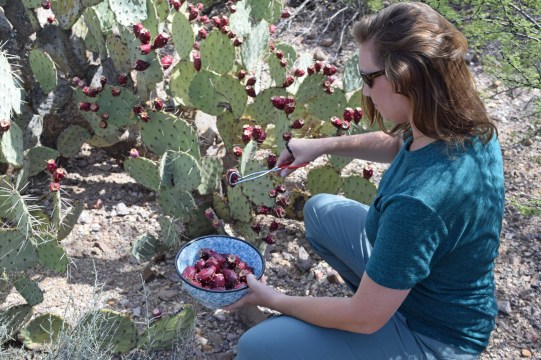
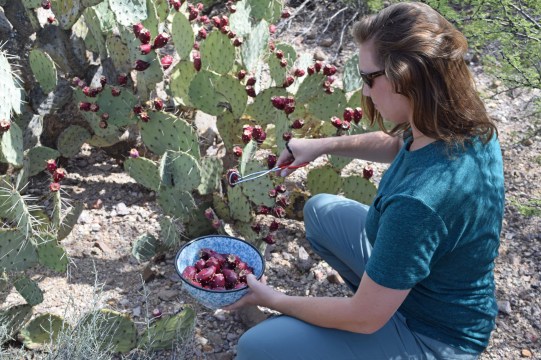
The Prickly Pear Cactus, with its vibrant fruits and fleshy pads, is a true symbol of the Sonoran Desert. The fruit, known as tuna, and the pads, called nopales, offer a diverse range of culinary uses. The fruit boasts a sweet, watermelon-like flavor, perfect for creating Prickly Pear jam, jellies, syrups, and refreshing beverages. Imagine sipping a Prickly Pear margarita as the sun dips below the horizon! Nopales, on the other hand, have a slightly tangy taste and are often grilled, sautéed, or added to salads.
Beyond their delicious flavor, Prickly Pears are packed with nutritional benefits. They are a good source of vitamins, antioxidants, and fiber, contributing to overall wellness.
Safe Handling & Preparation: Prickly Pear 101
Before enjoying the fruits (or pads) of the Prickly Pear, safe harvesting and preparation are essential. Here's a step-by-step guide:
- Gear Up: Wear thick gloves and long sleeves to protect yourself from the spines (glochids).
- Harvesting the Fruit: Use tongs or a sharp knife to carefully twist and detach the ripe fruit from the pad. Ripe fruits will be deeply colored (red or purple) and slightly soft to the touch. The best time to forage for prickly pear fruit is typically from late summer into the early fall.
- Removing the Thorns: There are several methods for removing the thorns.
- Flame Method: Briefly pass the fruit over an open flame (e.g., a propane torch or even a lighter) to burn off the spines. Be careful not to burn the fruit itself!
- Scrubbing Method: Vigorously scrub the fruit under running water with a stiff brush.
- Peeling Method: Carefully peel the outer skin of the fruit with a knife.
- Preparing the Pads (Nopales): Use a sharp knife to remove the spines and the raised areoles (the bumps where the spines grow). Peel off the outer layer of the pad.
- Cooking: Nopales can be boiled, grilled, or sautéed. The fruit can be eaten raw, juiced, or made into various culinary creations.
Recipe: Simple Prickly Pear Syrup
This syrup can be used in cocktails, iced tea, or as a topping for pancakes.
Ingredients:
- 2 cups Prickly Pear fruit, peeled and chopped
- 1 cup water
- 1 cup sugar
Instructions:
- Combine Prickly Pear fruit and water in a saucepan.
- Bring to a boil, then reduce heat and simmer for 15-20 minutes, or until the fruit is soft.
- Strain the mixture through a fine-mesh sieve, pressing down on the fruit to extract all the juice. Discard the solids.
- Return the juice to the saucepan. Add sugar and stir until dissolved.
- Bring to a boil, then reduce heat and simmer for 5-10 minutes, or until the syrup has thickened slightly.
- Let cool completely before storing in an airtight container in the refrigerator.
Mesquite Magic
Mesquite Beans have long been a vital food source for indigenous peoples of the Sonoran Desert. The trees provided shade, fuel, and, most importantly, nutritious beans. Sustainable harvesting involves collecting only fallen beans, ensuring the tree's continued health.

From Bean to Bounty: Culinary Applications
Mesquite Beans offer a unique smoky flavor profile that enhances a variety of dishes. Here are a few ways to enjoy them:
- Mesquite Flour: Ground from the dried beans, this flour can be used in baking breads, cookies, and pancakes. It adds a distinctive sweetness and a subtle smoky note.
- Mesquite Coffee Substitute: Roasted and ground Mesquite Beans can be brewed into a caffeine-free coffee alternative.
- Mesquite Sweetener: By boiling down the bean pods, a molasses-like sweetener can be created.
Recipe: Mesquite Flour Pancakes
These pancakes offer a delightful twist on a breakfast classic.
Ingredients:
- 1 cup all-purpose flour
- 1/2 cup Mesquite flour
- 2 teaspoons baking powder
- 1/4 teaspoon salt
- 1 tablespoon sugar
- 1 egg, beaten
- 1 cup milk
- 2 tablespoons melted butter
Instructions:
- In a large bowl, whisk together all-purpose flour, Mesquite flour, baking powder, salt, and sugar.
- In a separate bowl, combine egg, milk, and melted butter.
- Pour the wet ingredients into the dry ingredients and stir until just combined. Do not overmix.
- Heat a lightly oiled griddle or frying pan over medium heat.
- Pour 1/4 cup of batter onto the hot griddle for each pancake.
- Cook for 2-3 minutes per side, or until golden brown.
- Serve with your favorite toppings.
Expert Insight
"The desert is not a barren wasteland, but a pantry overflowing with life-sustaining and culturally significant foods." - Gary Nabhan, ethnobotanist and conservationist.
Gary Nabhan's work has highlighted the importance of preserving traditional foodways and promoting sustainable agriculture in arid regions. His research emphasizes the interconnectedness of culture, environment, and food. Understanding and respecting the Sonoran Desert's resources is vital for both culinary exploration and ecological preservation.
Wellness in the Wild
Imagine embarking on a "Sunset Foraging Walk" with a knowledgeable local guide in the Sonoran Desert. As the sun paints the sky in vibrant hues of orange and purple, you'll learn about the edible plants that thrive in this unique ecosystem. The air is filled with the distinctive aroma of creosote, and the taste of wild herbs lingers on your palate.

These guided experiences emphasize responsible harvesting practices, ensuring the long-term health of the desert ecosystem. You'll gain a deeper appreciation for the native plants and their medicinal properties, fostering a sense of connection with nature and promoting holistic wellness. It is essential when foraging, that one does not take more than they need. Over-foraging could be detrimental to the land.
Luxurious Desert Stay
For a truly immersive experience, consider a stay at The Arizona Biltmore, A Waldorf Astoria Resort. Nestled in the heart of the Sonoran Desert, this iconic resort boasts a rich history and stunning architecture influenced by Frank Lloyd Wright, reflecting the desert's geometric patterns and natural materials. The Biltmore is conveniently located near many prime foraging locations. Also, many of The Arizona Biltmore’s dining experiences incorporate farm-to-table dining utilizing local Sonoran ingredients.
Conclusion
The Sonoran Desert offers a wealth of culinary riches waiting to be discovered. From the sweet fruits of the Prickly Pear to the smoky flavor of Mesquite Beans, this resilient ecosystem provides a unique and enriching travel experience. Remember to forage responsibly, respecting the delicate balance of nature, and embrace the opportunity to connect with the land and its cultural heritage. Come and explore the Sonoran Desert and discover its hidden flavors!
Ready to experience the Sonoran Desert's culinary treasures? Book your adventure today!