Sonic Shores: Discovering the Earth's Most Audib...
Imagine a beach where the sand sings, the rocks echo with ancient secrets, and the shores whisper tales of transformation. These aren't just places to soak up the sun; they're destinations where sound and geology intertwine to create unforgettable experiences. Join us as we explore three of the Earth's most audibly and geologically unique beaches: Glass Beach in California, Bowling Ball Beach in Mendocino County, and Shell Beach in Western Australia. Discover the secrets these sonic shores hold and learn how you can experience their wonders responsibly.
Glass Beach, Fort Bragg, California: A Symphony of Sea Glass
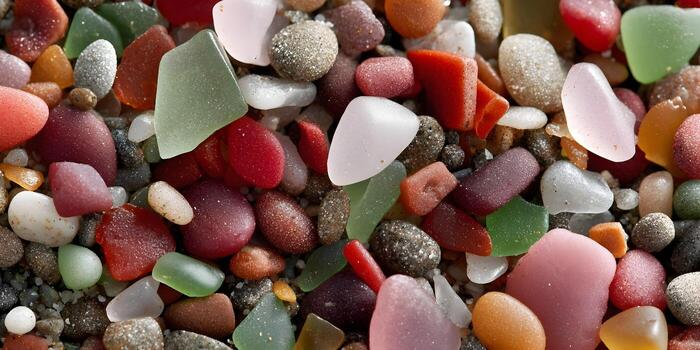
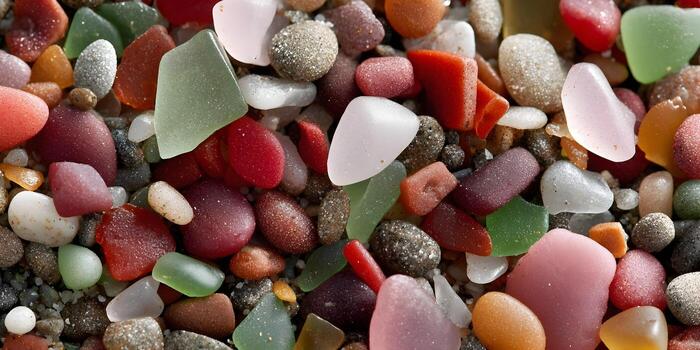
Glass Beach in Fort Bragg, California, is a testament to nature's resilience and its ability to transform even the most unlikely materials into something beautiful. Once a dumping ground for discarded waste, the relentless pounding of the waves has worked its magic, smoothing and polishing the broken glass into a kaleidoscope of colorful sea glass. Today, the beach is a popular destination for those seeking a unique auditory and visual experience.
The Transformation of Trash to Treasure
From the early 20th century until 1967, this stretch of coastline served as the town's primary dumping site. Over the years, the ocean's relentless action broke down the discarded bottles, jars, and other glass items, tumbling them against the sand and rocks. This process gradually smoothed the sharp edges, creating the smooth, frosted gems we know as sea glass. What was once considered waste has become a beautiful reminder of human impact and nature’s potential for redemption.
The Sound of Sea Glass: A Clinking Chorus
The auditory experience at Glass Beach is as captivating as the visual one. As the waves roll in and out, they gently move the sea glass, creating a soft clinking and rustling sound. It's a delicate chorus, a subtle reminder of the beach's history and the power of the ocean. Capturing this unique sound requires a bit of technical skill. Using directional microphones, pointed towards the areas with the highest concentration of sea glass, can help isolate the clinking sound from the background noise of the waves. Experimenting with different microphone placements and recording levels will allow you to capture the nuances of this auditory gem.
Ethical Sea Glass Identification and Documentation
While the allure of collecting sea glass is strong, it's crucial to remember that removing glass from Glass Beach is prohibited. Instead, we encourage you to engage in "ethical sea glass identification and documentation." This involves carefully examining the sea glass, identifying its potential origins (e.g., bottle type, color), and documenting your findings through photography. Sharing your observations with local conservation organizations can contribute to valuable research and help preserve this unique environment.

"Glass Beach stands as a poignant reminder of our environmental impact, yet also a testament to nature's capacity to transform waste into something beautiful, if we let it. The sound is a constant reminder of human mistakes and natural solutions," says Dr. Anya Sharma, Coastal Geologist.
Eco-Conscious Accommodation
For an environmentally responsible stay, consider the North Coast Mendocino Inn & Spa. They are committed to reducing water usage, supporting local coastal cleanup initiatives, and composting food waste to minimize their environmental footprint.
Responsible Visitation
Leave only footprints, take only pictures, and contribute to the beach's preservation by respecting the "no removal" policy. Consider documenting the beach for research organizations.
Bowling Ball Beach, Mendocino County, California: A Stone Symphony
A short drive south from Glass Beach lies Bowling Ball Beach, a geological marvel in Mendocino County. This beach is famed for its unique spherical rock formations, known as concretions, which are dramatically exposed at low tide. The rhythmic crashing of waves against these formations creates an echoing, almost musical, experience.
The Geological Formation of Spherical Rocks
The "bowling balls" are concretions, formed over millions of years. These concretions began as sediments that accumulated around a central nucleus, such as a shell or a piece of organic matter. Over time, minerals precipitated out of the surrounding water, cementing the sediment particles together. The result is a harder, more resistant rock formation. The softer surrounding rock has since eroded away, leaving these spherical wonders scattered across the beach.
Wave Echoes: A Stone Symphony
The soundscape at Bowling Ball Beach is dominated by the waves interacting with the rock formations. The waves crash against the stones, creating a variety of sounds: booming crashes, gentle splashes, and echoing reverberations. Recording these sounds can be particularly rewarding using binaural microphones, which capture spatial audio, recreating the natural listening experience. This allows listeners to hear the sounds as if they were standing on the beach themselves.
Coastal Photography Workshop
Capture the unique spherical rock formations at sunrise and sunset with our coastal photography workshop. Partnering with a local photography instructor, this workshop will guide you in capturing the beauty of Bowling Ball Beach. You can sign up here.
"Bowling Ball Beach offers a unique window into the Earth's geological history. The echoing waves against the formations create an aural environment unlike any other. These rocks are a natural archive of our planet’s evolution," notes Professor Ben Carter, Marine Biologist.
Eco-Conscious Accommodation
The Brewery Gulch Inn is an excellent eco-conscious lodging choice. They use sustainably sourced materials in construction and are committed to wildlife preservation in the surrounding area, including practices to prevent light pollution and its impact on nocturnal animals.
Responsible Visitation
Be mindful of the tide and avoid walking on the rocks when they are submerged. Respect the natural environment and avoid disturbing any wildlife. Employ responsible drone videography by keeping a safe distance from the wildlife.
Shell Beach, Shark Bay, Western Australia: A Crunching Whisper
Venture across the globe to Shell Beach, located in Shark Bay, Western Australia. Unlike sandy beaches, Shell Beach is composed entirely of tiny, white shells – specifically the Fragum erugatum species. This creates a unique visual landscape and a distinctive auditory experience.
The Geological History of Hyper-Saline Waters
Shell Beach's unique formation is due to the high salinity of the water in Shark Bay. The hyper-saline conditions inhibit the decomposition of shells, allowing them to accumulate over thousands of years to form a thick layer that stretches for miles. The sheer volume of shells creates a startling, seemingly endless landscape.
The Sound of Shells: A Crunching Whisper
Walking on Shell Beach produces a sound unlike any other: a "crunching whisper." The shells crackle and shift underfoot, creating a delicate yet persistent sound. The hyper-saline water also contributes to the acoustic environment, as it tends to reduce wave sounds, making the crunching of the shells even more prominent. Capturing the crunching whisper can be achieved using lavalier microphones attached to shoes, isolating the sound from other environmental noises.
Citizen Science Project
Participate in a citizen science project documenting shell density and distribution patterns organized by a local conservation group. You can find more information at Shark Bay Conservation.
"Shell Beach is a remarkable testament to the power of natural processes. The seemingly endless expanse of shells creates a unique auditory and visual landscape, highlighting the fragility and resilience of our coastal ecosystems," explains Dr. Sarah Nguyen, Marine Ecologist.
Eco-Conscious Accommodation
The Heritage Resort Shark Bay is dedicated to sustainable practices, reducing plastic waste and supporting local conservation efforts in Shark Bay, a UNESCO World Heritage site.
Responsible Visitation
Stay on designated paths to avoid disturbing the fragile shell ecosystem. Avoid removing any shells from the beach. Respect the natural environment and the fragile ecosystem.
Conclusion: Preserving Our Sonic Shores
These three beaches offer incredible experiences, from the clinking symphony of Glass Beach to the crunching whisper of Shell Beach. These delicate coastal ecosystems remind us of the importance of responsible tourism and conservation efforts.
Instead of encouraging bookings, please Donate to the Fictional Shark Bay Marine Research Institute to support ongoing research and conservation efforts at these unique beach ecosystems. Learn how your contribution helps protect these fragile environments for future generations.