Solomon Islands: An Adventure in Responsible Tra...
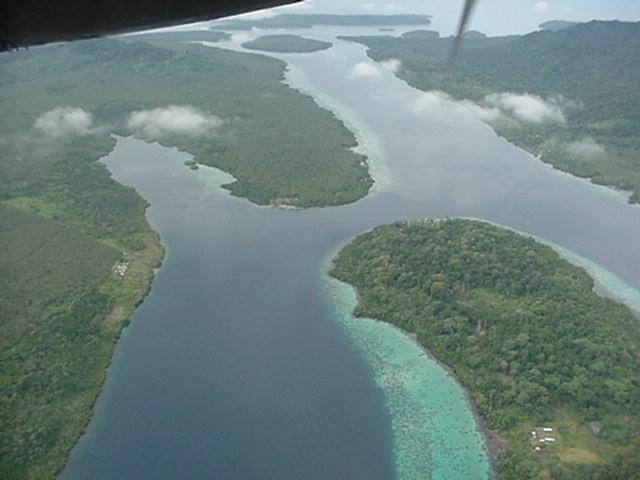
Landing in Honiara, the capital of the Solomon Islands, felt like stepping into a different world. The air was thick with humidity, carrying the scent of frangipani and the distant murmur of the Pacific. It was a far cry from the bustling city I’d left behind, and I knew this trip would be something special. But this wouldn't be just another checkmark on a travel list. I wanted to connect with the real Solomon Islands, delve into its culture, and understand the challenges its people face. Before I even packed my bags, I dove deep into GeoGuessr, trying to pinpoint the most remote and authentic experiences possible. That’s how I stumbled upon Paruru, a small village on Guadalcanal, famed for its local crafts. It was this that spurred my Solomon Islands adventure.
GeoGuessr and the Road to Paruru
Forget the generic tourist traps. I wanted genuine connection, and GeoGuessr became my unlikely compass. Hours spent virtually wandering dirt roads and guessing locations across the globe led me to a satellite image of Paruru. The thatched roofs, the vibrant colours, and the lush surrounding landscape screamed authenticity. It wasn’t on any major tourist trail, and that's exactly what drew me in. Getting there wasn't easy. After a bumpy ride in a local bus and a trek through dense rainforest, I arrived in Paruru to a warm welcome. The village was a hive of activity, with women weaving intricate baskets and men carving wooden figures. I knew this was where my Solomon Islands story would truly begin.
Kakamotu: The Shell Inlay Art of Ontong Java
The artistry of the Solomon Islands is captivating, and the shell inlay work from Ontong Java atolls, also known as Lord Howe Atoll, is particularly mesmerizing. The technique, called "Kakamotu," is an ancient craft passed down through generations. Tiny pieces of shell, painstakingly cut with sharpened clam shells, are inlaid into blackened wood using a resin derived from tree sap.
I was fortunate enough to witness Mama Lisi, a renowned artist from Ontong Java, at work. Her hands, weathered by the sun and years of crafting, moved with incredible precision. She was working on a depiction of “Kava,” an ancestral spirit revered in Ontong Java culture. Kava serves as a guardian of the atoll, embodying protection and wisdom. The intricate details of the carving were breathtaking.
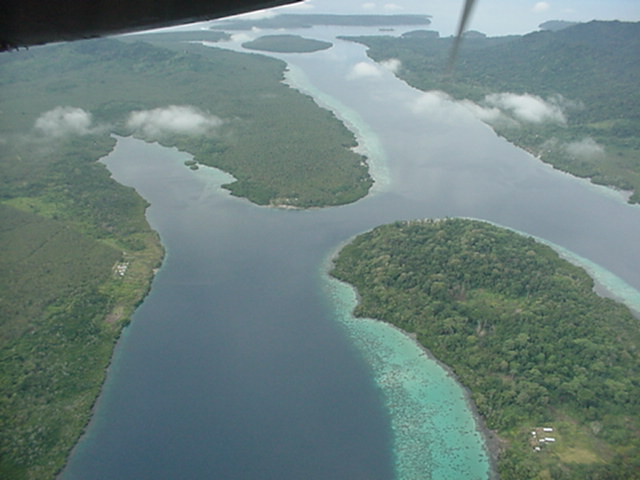
However, the future of Kakamotu is threatened. Rising sea levels are impacting the availability of Pinctada maxima oysters, the source of the prized mother-of-pearl used in the inlay. Mama Lisi explained how they are adapting by using smaller shells and experimenting with alternative materials, but the challenges are significant. Purchasing these shell inlays helps sustain a very important and struggling part of the Solomon Islands culture.
The Rhythm of Wantok: Bamboo Band Music
Near Henderson Field on Guadalcanal, the air thrummed with an infectious melody. It was a bamboo band, a unique Solomon Islander musical tradition. The instruments are ingeniously crafted from varying lengths of thick-walled bamboo, each calibrated by ear to produce a specific note. The musicians strike these bamboo tubes with rubber thongs made from old tires, creating a surprisingly rich and complex sound.
Seven musicians typically comprise a bamboo band, each playing a different note. The music they create isn't just entertainment; it tells the stories of the "Wantok" system. Wantok, meaning "one talk," is the bedrock of Solomon Islander society. It represents the bond of kinship, mutual support, and shared responsibility that ties communities together. The music, therefore, becomes a celebration of community and shared heritage. This is a culture that is welcoming and willing to share.
Unexploded Ordnance: A Shadow of the Past
The Solomon Islands were the site of intense fighting during World War II, and the legacy of that conflict lingers in the form of unexploded ordnance (UXO). The Russel Islands, in particular, saw heavy combat, and UXO remains a significant threat to communities.
These remnants of war pose a serious danger, especially to children who may mistake them for toys. The HALO Trust, an international organization dedicated to removing UXO, is working tirelessly to locate and safely dispose of these deadly artifacts. They conduct surveys, clear contaminated areas, and educate communities about the risks.
Ethical tourism can play a crucial role in supporting UXO clearance. Tourists can contribute by donating directly to The HALO Trust (https://www.halotrust.org/) or participating in their awareness campaigns. Choosing tour operators who prioritize safety and support local initiatives is another way to make a positive impact.
The Ethical Tightrope: Tourism, Tradition, and the Future
My journey through the Solomon Islands raised profound questions about the role of tourism in a fragile ecosystem and a culturally rich society. How can we contribute to UXO clearance and support communities impacted by climate change while respecting traditions like Kakamotu and minimizing our environmental footprint?
It's not enough to simply donate money. We have a responsibility to be informed and mindful travelers. This means:
- Choosing responsible tour operators: Look for companies committed to sustainable practices and community engagement.
- Supporting local artisans: Purchase crafts directly from artists like Mama Lisi, ensuring fair prices and preserving traditional skills.
- Respecting cultural norms: Learn about local customs and avoid behaviors that could be considered offensive or exploitative.
- Minimizing environmental impact: Reduce waste, conserve water, and avoid activities that harm the delicate ecosystem.
- Being an advocate: Share your experiences and encourage others to travel responsibly.
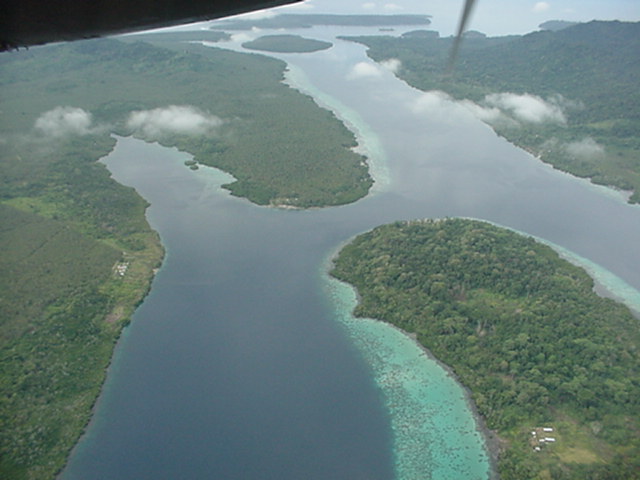
Cultural exchange can be incredibly beneficial, fostering understanding and appreciation. However, we must be vigilant against the risks of commodifying traditions, turning them into mere spectacles for tourist consumption. The key is to approach cultural experiences with humility, curiosity, and a genuine desire to learn.
Ultimately, responsible travel in the Solomon Islands is about forging meaningful connections, supporting local communities, and protecting the environment. It’s about recognizing that we are guests in this beautiful country and acting accordingly.
Ready for a Solomon Islands Adventure?
The Solomon Islands offer an unparalleled opportunity for adventure and cultural immersion. By traveling responsibly, we can help ensure that this unique destination remains vibrant and sustainable for generations to come. Visit Vistalocation.com today to start planning your Solomon Islands adventure! Check out our Solomon Islands tours for opportunities to experience shell inlay art and bamboo band music.