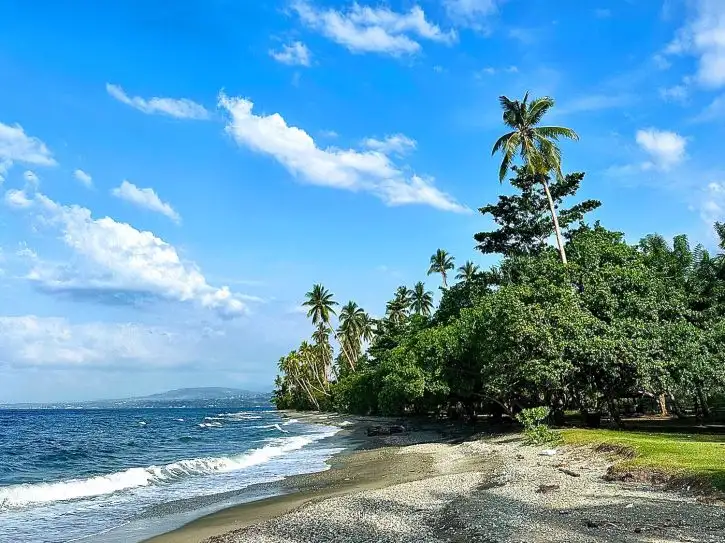
Solomon Islands: A Journey into Melanesian Cultu...
The Solomon Islands. Just the name conjures images of pristine beaches, lush rainforests, and a vibrant culture seemingly untouched by time. But nothing could have prepared me for the profound impact of actually being there, witnessing and participating in the authentic traditions of the Melanesian people. My two-week journey wasn't just a vacation; it was an immersion, a lesson in sustainability, and a testament to the enduring power of culture. It was an experience I'm eager to share, and hopefully, inspire you to plan your own responsible adventure to this unique corner of the world. My focus? Understanding and experiencing Melanesian culture through sustainable tourism.
A Melanesian Feast: The Heart of Community
My journey began in a village just outside of Honiara, where I was invited to attend a traditional Melanesian feast, or Motu. The air crackled with anticipation, filled with the smoky aroma of wood fires and the rhythmic chanting of the villagers. From dawn, the community had been hard at work preparing the umu, an earth oven where the food would be cooked. Layers of hot stones, heated by a roaring fire, lined a pit in the ground. It was incredible to witness this ancient cooking method.
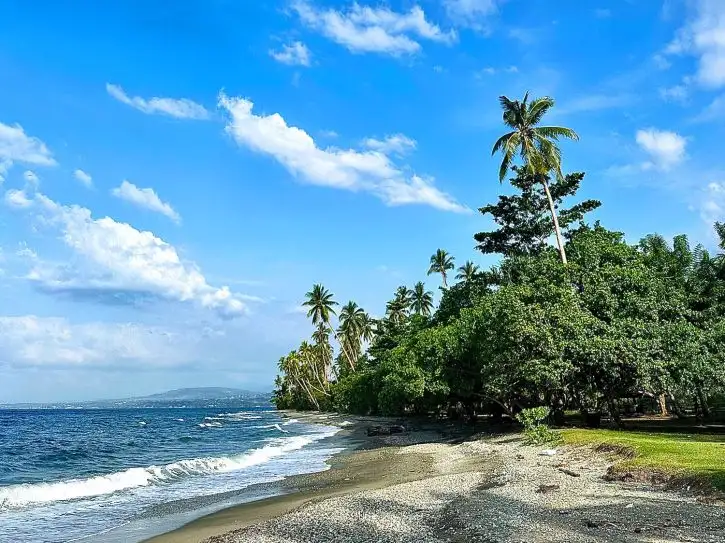
The main dish was Laplap, a starchy pudding made from grated root vegetables, coconut cream, and meat, all wrapped in banana leaves and baked in the umu. As the food cooked, the men began to prepare for the traditional dances. Their faces painted with intricate designs, they donned elaborate headdresses and brandished spears. The warrior dance was particularly mesmerizing, a powerful display of strength, agility, and cultural pride. The entire experience was a testament to the importance of community and the rich heritage of the Solomon Islands.
Sustainable Spearfishing: Respecting the Ocean's Bounty
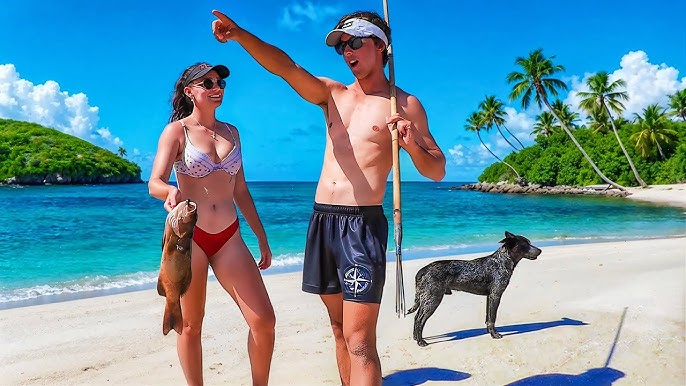
One of the highlights of my trip was the opportunity to participate in a spearfishing trip with local guides. Eschewing modern equipment, they used hand-carved spears and their deep knowledge of the ocean to hunt sustainably. We ventured out to specific fishing zones that are traditionally rotated to allow fish stocks to replenish. Respect for traditional fishing grounds and practices is paramount here, ensuring the preservation of marine resources for generations to come. Our target was coral trout, a vibrantly colored and delicious fish that’s a staple in the local diet. The experience was a powerful reminder that responsible tourism can support local communities and protect the environment.
Poi Preparation: A Taste of Tradition
I had the privilege of learning firsthand how to prepare Poi, a fermented taro dish that’s a cornerstone of Melanesian cuisine. I watched, and then participated, as the women of the village meticulously pounded the cooked taro root with stones, transforming it into a smooth, slightly tangy paste. Poi is more than just food; it's a symbol of cultural identity and is often served during ceremonial occasions. I even encountered a local chef who was experimenting with modern interpretations of Poi, attempting to elevate it for a fine-dining experience while still honoring its traditional roots.
Guadalcanal Waterfall Hike: A Journey into the Rainforest
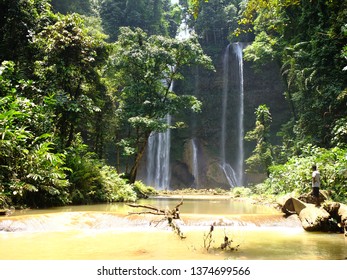
No trip to the Solomon Islands would be complete without exploring the lush rainforests of Guadalcanal. I embarked on a challenging but rewarding hike to a stunning waterfall, the Tenaru Falls. The trail wound through dense vegetation, a symphony of green punctuated by the vibrant colors of orchids and ferns. The hike wasn't easy, requiring careful footwork and a good level of fitness. But the reward was well worth the effort. Reaching the falls was breathtaking; the cascading water plunging into a crystal-clear pool below.
WWII Shipwreck Snorkeling: History and Marine Life Intertwined
The Solomon Islands hold a unique place in history, and one of the most fascinating ways to experience this is by snorkeling or diving at WWII shipwreck sites. I had the opportunity to snorkel at the wreck of the USS Aaron Ward, a US Navy destroyer sunk during the Guadalcanal campaign. The wreck is now a thriving artificial reef, teeming with marine life. Clownfish darted in and out of anemones, parrotfish grazed on the coral, and angelfish shimmered in the sunlight. The juxtaposition of war history and the vibrant coral reef ecosystem was both poignant and awe-inspiring. It's a powerful reminder of nature's resilience and the ability of life to flourish even in the most unlikely of places.
Supporting Sustainable Tourism in the Solomon Islands
My journey to the Solomon Islands was more than just a trip; it was a transformative experience. It reinforced my belief in the importance of sustainable tourism and the power of cultural preservation. But the future of this unique destination depends on responsible travelers like you.
So, how can you make a difference?
- Choose local community tourism initiatives: Opt for tours and accommodations that directly benefit local communities. Look for guesthouses owned and operated by Solomon Islanders. Consider tour operators like Solomon Islands Discovery Cruises who focus on sustainable practices.
- Respect traditional customs and practices: Learn about the local culture and be mindful of your behavior. Dress modestly when visiting villages and ask permission before taking photographs.
- Support local artisans: Purchase handicrafts and souvenirs directly from local artisans, ensuring they receive a fair price for their work.
- Reduce your environmental impact: Minimize your use of single-use plastics, dispose of waste responsibly, and choose eco-friendly transportation options.
- Spread the word: Share your experiences with others and encourage them to travel responsibly to the Solomon Islands.
The Solomon Islands is a treasure trove of Melanesian culture and natural beauty. By choosing sustainable tourism practices, we can help preserve this unique destination for generations to come. Let's all commit to traveling responsibly and supporting the people and environment of the Solomon Islands.