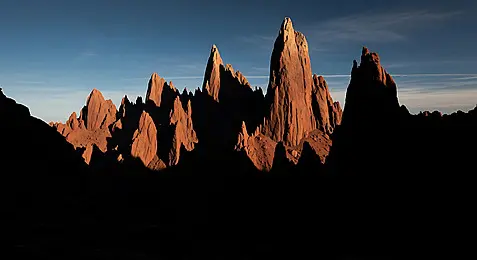
Solo Female Trekking in Torres del Paine: My Unf...
Torres del Paine. The name itself conjures images of towering granite peaks, turquoise glacial lakes, and the vast, windswept Patagonian steppe. As an experienced solo female traveler, I've tackled treks all over the world, but nothing could have prepared me for the sheer raw beauty and untamed wilderness of this Chilean national park. I recently completed a portion of both the famous 'W Trek' and a section of the more challenging 'O Circuit', and I'm here to share my experiences, tips, and hard-earned advice for anyone considering a solo trek in this incredible corner of the world. This is my adventure of solo female trekking Torres del Paine.
My journey began with a flight into Aeropuerto Teniente Julio Gallardo (PNT) in Puerto Natales, a small city that serves as the gateway to Torres del Paine. From the airport, a comfortable bus ride took me to the city center. Puerto Natales is a charming place to spend a day or two preparing for your trek. I stocked up on supplies, soaked in the local atmosphere, and tried to calm my pre-trek jitters.
Preparing for the Patagonian Challenge: Gear and Logistics
The key to a successful trek in Torres del Paine is preparation, especially when facing the unpredictable Patagonian weather. The saying "four seasons in one day" is not an exaggeration! Layering is crucial.
- Base Layers: Merino wool or synthetic fabrics are essential to wick away moisture.
- Mid Layers: I packed a fleece jacket and an Arc'teryx Atom LT insulated jacket for warmth.
- Outer Layer: A high-quality waterproof and windproof jacket is a must. I swear by my Arc'teryx Beta AR jacket.
- Pants: Quick-drying hiking pants and waterproof over-trousers are essential.
- Footwear: Invest in sturdy, waterproof hiking boots. My Salomon X Ultra 4 Mid GTX boots were a lifesaver, providing excellent ankle support and grip on the rocky terrain. Don't forget good hiking socks!
- Accessories: Gloves, a warm hat, sunglasses, and sunscreen are all vital.
Here's a photo of the essential gear I prepped before embarking on the trails in Torres del Paine. Weather-appropriate clothes and durable hiking boots are must-haves!
Before you even think about packing your bag, you need to secure your permits and accommodations. The 'O Circuit', in particular, requires booking months in advance. You can apply for permits through the park's website (or CONAF) [https://www.conaf.cl/]. Refugio accommodations also fill up quickly, so plan ahead. This planning is absolutely essential for Torres del Paine refugio booking.
Entering the Park: First Impressions
The bus from Puerto Natales dropped me off at Laguna Amarga, one of the main park entrances. After paying the entrance fee (currently around $35 USD, but check the official website for updated pricing), I was immediately struck by the grandeur of the landscape. From the shores of Lago Sarmiento, the iconic granite peaks of the Paine Massif rose majestically against the skyline. The turquoise waters of Lago Pehoé shimmered in the sunlight, and the vast Patagonian steppe stretched out as far as the eye could see, dotted with grazing guanacos. Stepping onto the trail, a profound sense of solitude and remoteness washed over me. I knew this was going to be an unforgettable experience.
The 'W Trek': A Journey Through Iconic Landscapes
The 'W Trek' is the most popular trekking route in Torres del Paine, and for good reason. It packs an incredible amount of scenery into a relatively short distance.
Hiking to the Base of the Towers
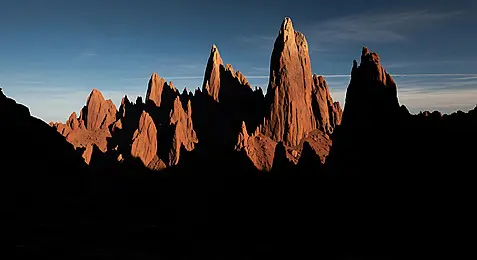
The highlight of the 'W Trek' for many is the challenging 8-hour hike to the base of the Torres del Paine themselves. The final ascent is a steep, rocky scramble, but the reward is more than worth the effort. If you're lucky enough to arrive at sunrise, you'll witness the towers bathed in golden light – a truly magical sight. I started my hike in the dark to achieve this and it was the best decision I made during the trek.
A photo of the magnificent Torres del Paine at sunrise. The steep, rocky ascent to reach this view was grueling, but being able to witness this breathtaking sight made it worthwhile.
The French Valley: Panoramic Perfection
The hike through the French Valley is another highlight of the 'W Trek'. The trail winds its way through a lush valley surrounded by towering granite walls. The panoramic views from the Mirador Británico are simply stunning. It's a great place to take a break, soak in the scenery, and appreciate the scale of the landscape.
Grey Lake: Glaciers and Icebergs
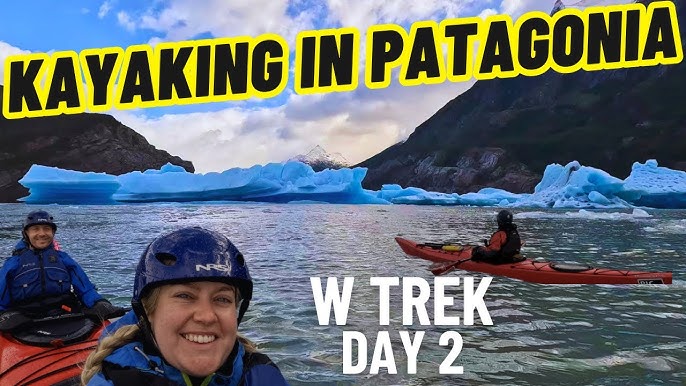
The western end of the 'W Trek' leads to Grey Lake, a glacial lake dotted with icebergs. The otherworldly landscape is dominated by the imposing Grey Glacier. I highly recommend kayaking on the lake with Bigfoot Patagonia. Being dwarfed by the massive icebergs and hearing the thunderous sound of the glacier calving was an awe-inspiring experience. It was a physical and emotional challenge to be so small within such a grand landscape.
One moment the sun would be shining, the next a snowstorm would be swirling around me. Visibility would drop to near zero, and the trail would become slick and treacherous. Despite the challenges, I found a certain beauty in the unpredictable nature of the Patagonian weather. It added an element of adventure and made me appreciate the moments of sunshine even more.
A Taste of the 'O Circuit': Conquering the John Gardner Pass
While I didn't complete the entire 'O Circuit', I did hike a portion of it between Refugio Grey and Refugio Paine Grande. This section includes the challenging John Gardner Pass crossing, known for its unparalleled views of the Southern Patagonian Ice Field.
The ascent to the pass was steep and demanding, but the views from the top were simply breathtaking. The vast expanse of ice stretched out as far as the eye could see, a stark reminder of the power and scale of nature. This is a section of the circuit that allows a deep sense of remoteness in Torres del Paine.
Food and Drink: Fueling the Adventure
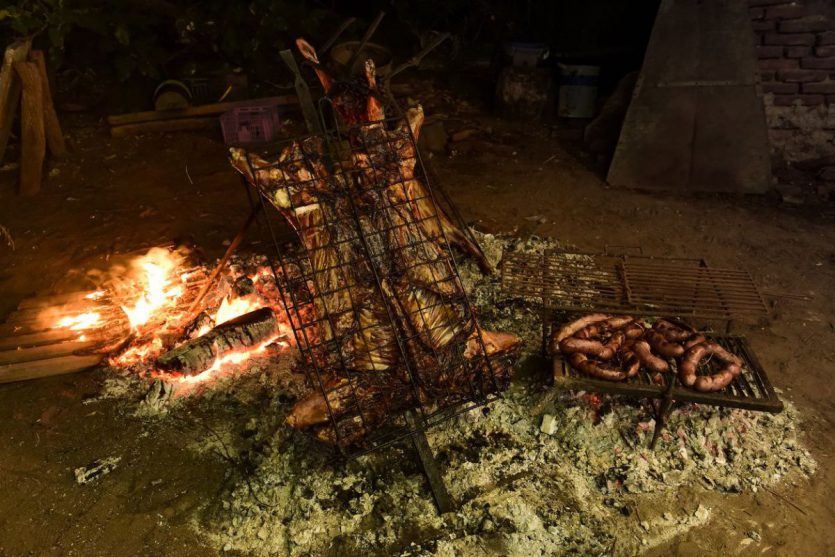
The dining experiences at the refugios were surprisingly good. At Refugio Las Torres, I indulged in "Cordero al Palo," slow-cooked lamb roasted over an open fire. The smoky flavor and tender texture were incredible. In Puerto Natales, I treated myself to "centolla" (king crab) at a restaurant called Afrigonia. The sweet and delicate meat was a true delicacy.
Calafate berry desserts are ubiquitous throughout Patagonia. The tart and slightly sweet flavor of the berry is a refreshing treat after a long day of hiking. It is a perfect light sweet snack.
Vegetarian and vegan options can be limited at some refugios, so it's a good idea to bring supplemental snacks. I stocked up on high-energy snacks like nuts and dried fruit from the Unimarc supermarket in Puerto Natales.
Wildlife Encounters: Guanacos and the Elusive Puma
Guanacos are a common sight in Torres del Paine, grazing on the hillsides, particularly near Lago Sarmiento and along the trail to the French Valley. I spent hours watching these graceful creatures, admiring their agility and resilience.
I attempted to photograph pumas, using a 200-500mm telephoto lens. The best times and locations for wildlife viewing are early morning or late evening near areas with guanaco populations. I spoke with a park ranger who provided information on recent puma sightings and trail conditions. While I wasn't lucky enough to spot a puma myself, the thrill of the search added an extra layer of excitement to my trek.
Here's a photograph of Guanacos grazing peacefully on the Patagonian steppe. Seeing the native wildlife adds a special element to hiking through Torres del Paine.
Safety Considerations for Solo Female Trekkers in Patagonia
Trekking solo in Patagonia requires careful planning and awareness of safety considerations.
- Communication: Carry a satellite communicator like a Garmin inReach. Cell service is limited in the park.
- Inform Authorities: Inform park authorities of your itinerary before you set off.
- Trail Awareness: Stay on marked trails and be aware of potential hazards, such as slippery rocks and strong winds.
- Weather Preparedness: Be prepared for sudden changes in weather.
- Emergency Plan: Have a plan in case of an emergency.
- Insurance: Ensure you have adequate travel insurance that covers trekking in remote areas. This is important for safety tips solo trekking Patagonia.
Final Thoughts: A Journey of Empowerment
Tackling the 'W Trek' and a portion of the 'O Circuit' solo was a challenging but incredibly rewarding experience. I felt a profound sense of accomplishment and empowerment from pushing myself both physically and mentally. The raw beauty and untamed wilderness of Torres del Paine left an indelible mark on my soul. It's a destination that every adventurous traveler should experience at least once in their lifetime.
Remember to practice responsible travel within the park. Pack out all your trash, stay on marked trails, and respect the delicate ecosystem. Your journey of Solo female trekking Torres del Paine starts with respecting it.
Torres del Paine is more than just a destination; it's an adventure that will challenge you, inspire you, and leave you with memories that will last a lifetime.