São Tomé and Príncipe: A Photographer's Journey...
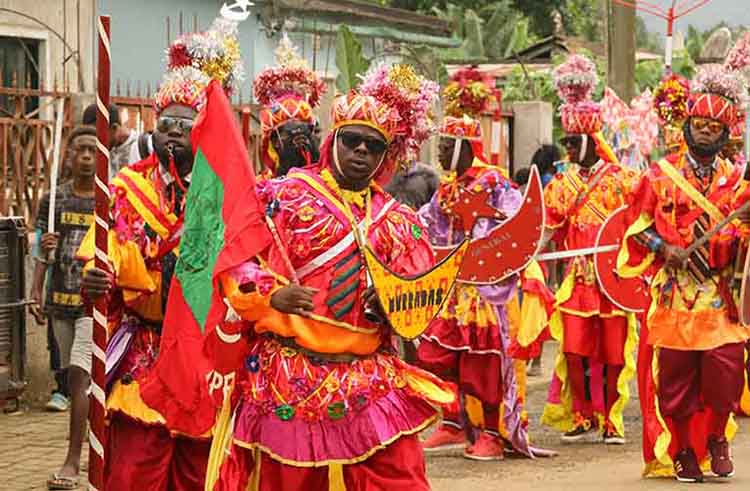
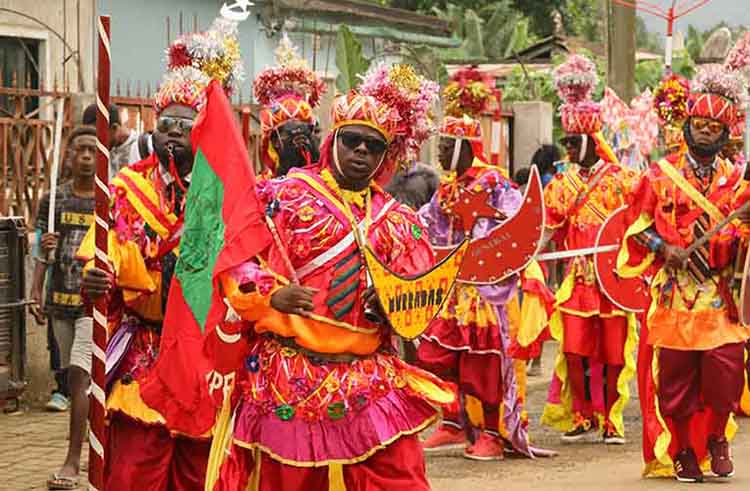
São Tomé and Príncipe, a tiny island nation off the coast of West Africa, often flies under the radar of mainstream tourism. As a travel photographer always seeking lesser-known destinations and passionate about documenting conservation efforts, I knew I had to experience its raw beauty firsthand. My recent 10-day trip to these volcanic islands was an immersion into a world of vibrant markets, lush rainforests, decaying colonial architecture, and a heartwarming dedication to preserving its unique ecosystem. This São Tomé and Príncipe travel guide captures my journey through a photographer's lens, offering a glimpse into this hidden gem and valuable São Tomé photographer's guide for those who seek adventure beyond the ordinary. I hope to inspire fellow eco-conscious travellers seeking unique locations and the importance of ecotourism in São Tomé and Príncipe.
Arrival in São Tomé: A Sensory Overload
My adventure began with arrival in São Tomé, the larger of the two islands. Stepping out of the plane, I was immediately greeted by a wave of tropical heat and the sounds of a bustling market just outside the airport. The market was a kaleidoscope of colors, overflowing with exotic fruits, vegetables, and freshly caught fish. The air was thick with the scent of spices and the chatter of locals bargaining for their daily needs.
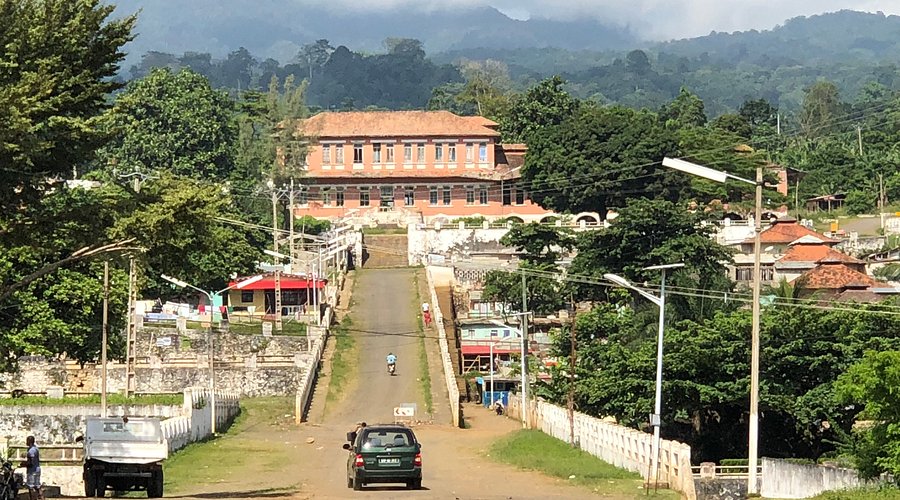
São Tomé City, the capital, is a charming mix of Portuguese colonial architecture and modern African influences. I spent a day wandering through the streets, admiring the pastel-colored buildings with their ornate balconies and tiled roofs. The Presidential Palace, a grand colonial-era building, stood as a reminder of the islands' rich history. Capturing the essence of this cultural melting pot was a delightful photographic challenge.
Hiking in Obô National Park: A Biodiversity Hotspot
No trip to São Tomé and Príncipe is complete without exploring Obô National Park. This vast protected area covers a significant portion of both islands and is home to an incredible array of endemic species. Eager to delve into its depths, I hired Joao, a local guide with an encyclopedic knowledge of the park's flora and fauna.
Joao led me through dense cloud forests, where towering trees were draped in moss and epiphytes. The air was thick with humidity, and the sounds of unseen creatures echoed through the undergrowth. My main goal was to photograph the elusive Mona monkey and the vibrant São Tomé grosbeak, both endemic to the islands.
The hike was challenging, but Joao's expertise was invaluable. He pointed out hidden trails and helped me identify the calls of different birds. Capturing a clear shot of the Mona monkeys proved difficult, as they are shy and well-camouflaged. The São Tomé grosbeak, with its bright yellow plumage, was equally elusive.
"We are working hard to protect Obô National Park from deforestation and poaching," Joao explained. "It's crucial to conserve this unique ecosystem for future generations. Eco-tourism is important because it allows us to show the value of the park, not just for its beauty, but for its biodiversity. It also provides jobs for the local people, making them understand that the park can make their lives better."
Photographing the endemic orchids was another highlight. I spent hours trying to capture the delicate beauty of these flowers, experimenting with different angles and lighting techniques to achieve the desired chiaroscuro effect.
Exploring Príncipe and Fundacão Príncipe's Conservation Efforts
A short flight took me to Príncipe, a smaller and even more pristine island than São Tomé. Here, I had the opportunity to learn about the remarkable work of Fundacão Príncipe, an NGO dedicated to biodiversity conservation and sustainable development.
I met with one of their researchers, who explained the importance of protecting Príncipe's unique ecosystem. "Príncipe is a biodiversity hotspot," she said. "It's home to a high number of endemic species, many of which are found nowhere else on Earth. Our work focuses on research, conservation, and community engagement to ensure that this natural heritage is preserved." The Fundacão Príncipe conservation focus helps solidify ecotourism on the island.
Fundacão Príncipe works closely with local communities to promote sustainable fishing practices, protect sea turtle nesting sites, and educate people about the importance of conservation.
Witnessing Sea Turtle Nesting
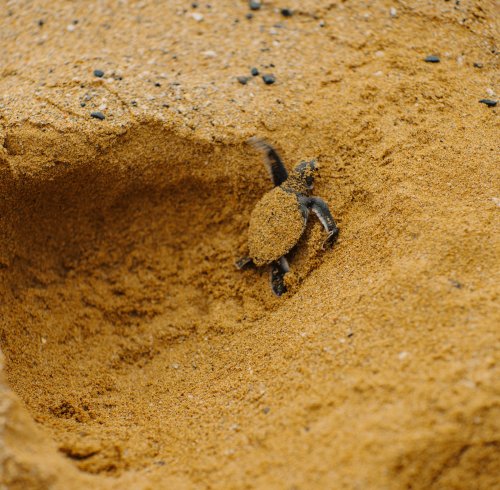
One of the most unforgettable experiences of my trip was observing sea turtle nesting on a black sand beach at night. Under the cloak of darkness, I watched as a massive sea turtle emerged from the ocean and slowly made her way up the beach. She dug a nest in the sand and laid her eggs, a truly awe-inspiring sight.
Photographing this event in low light was a significant challenge. I had to use a high ISO and a wide aperture to capture the scene without disturbing the turtle. The resulting images, though grainy, are a testament to the raw beauty and fragility of nature.
Roças: Echoes of the Past
The roças, or plantations, are a poignant reminder of São Tomé and Príncipe's colonial past. These sprawling estates were once the center of the islands' cocoa and coffee production, and they played a significant role in the history of slavery.
I visited Roça Agostinho Neto, one of the largest and most well-preserved roças on São Tomé. Walking through the dilapidated buildings, I could almost hear the echoes of the past. The grand manor houses, once symbols of wealth and power, now stood in stark contrast to the humble dwellings of the laborers who toiled in the fields.
The roças are a powerful reminder of the human cost of colonialism. They serve as a place for reflection and a call to remember the victims of slavery. Capturing these Roças of São Tomé and Príncipe through wide-angle shots allowed me to emphasize the contrast between the natural beauty of the islands and the historical burden of the plantations.
Diving in the Bay of Needles (Baia das Agulhas)
São Tomé and Príncipe's underwater world is as captivating as its terrestrial landscapes. I had the opportunity to go snorkeling in the Bay of Needles (Baia das Agulhas), a renowned dive site known for its unique rock formations and abundant marine life. This is a great opportunity to go São Tomé and Príncipe snorkeling.
The crystal-clear waters teemed with colorful fish, coral reefs, and other fascinating creatures. Underwater photography presented its own set of challenges, including limited visibility and the need for specialized equipment. Nevertheless, I managed to capture some stunning images of the underwater landscape.
A Taste of São Tomé and Príncipe
The cuisine of São Tomé and Príncipe is a delightful blend of African, Portuguese, and Creole influences. During my trip, I had the pleasure of sampling a variety of local dishes.
- Calulu: This hearty stew is made with dried fish, vegetables, and spices. The complex flavors and textures make it a truly unique culinary experience.
- Freshly caught fish: Grilled or fried, the fresh fish is prepared with local spices and served with a variety of fruits, such as breadfruit.
- Artisanal chocolate: São Tomé and Príncipe is known for its high-quality cocoa beans, and the local artisanal chocolate is a must-try for any chocolate lover.
Tips for Eco-Conscious Travelers to São Tomé and Príncipe
If you're planning a trip to São Tomé and Príncipe, here are a few tips to help you travel responsibly:
- Packing lightweight, quick-drying clothing will help you minimize your impact on the environment.
- Supporting locally owned businesses that prioritize sustainability is a great way to contribute to the local economy and reduce your environmental footprint.
- Offsetting carbon emissions from flights through Gold Standard projects is a simple and effective way to mitigate the environmental impact of your travel.
Balancing Tourism and Conservation
São Tomé and Príncipe faces the challenge of balancing tourism with conservation. The islands' natural beauty and unique biodiversity are attracting an increasing number of visitors, but it's crucial to ensure that tourism is sustainable and does not harm the environment.
I am hopeful that São Tomé and Príncipe can serve as a model for sustainable tourism in Africa. By prioritizing conservation, supporting local communities, and promoting responsible travel practices, these islands can continue to thrive as a unique and beautiful destination for generations to come.
If you're seeking an off-the-beaten-path adventure, a place where natural beauty meets a deep commitment to conservation, I urge you to visit São Tomé and Príncipe. But please, travel responsibly. Respect the environment, support local communities, and leave only footprints behind.
Call to Action: Consider donating to Fundacão Príncipe to support their invaluable conservation work. I highly recommend booking your tours with Eco-Guia (+239 999 9999), a local eco-tourism company committed to sustainable practices. This helps promote ecotourism in São Tomé and Príncipe.