Slow Travel Namibia: A Regenerative Journey
The...
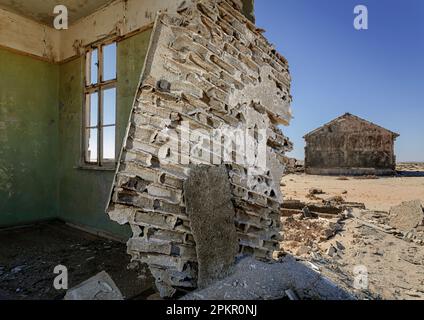
The wind whipped through my hair, carrying the scent of dry earth and distant rain as the tiny Cessna banked sharply over the vast expanse of Namibia. Even from above, the scale of this country was breathtaking – a seemingly endless canvas of ochre sands, rugged mountains, and shimmering salt pans. It was an immediate and visceral connection to the land that I felt, a silent promise of adventure and a deep desire to experience it all at a slower pace. My mission: to embrace Namibia slow travel principles and explore this extraordinary destination through the lens of regenerative tourism Namibia, leaving a positive impact on the communities and environment I encountered.
Sustainable Lodging near Etosha
My first stop was a haven of sustainability just outside Etosha National Park. The lodge, built with locally sourced materials, blended seamlessly into the surrounding mopane woodland. It was immediately apparent that every detail had been carefully considered from an environmental perspective. What sets eco lodges in Namibia apart is their commitment to protecting their environments. Solar panels provided all the electricity, drastically minimizing the lodge's carbon footprint. Water conservation was a priority, with rainwater harvesting systems and greywater recycling in place. The staff, primarily from nearby villages, were not just employees but active participants in the lodge's sustainable initiatives.
But the lodge went beyond simply minimizing its impact; it actively contributed to regenerative tourism Namibia. They partnered with MyClimate to offset remaining carbon emissions through reforestation projects in the region. The architecture itself was a testament to sustainable design, utilizing natural ventilation and passive cooling techniques to minimize the need for air conditioning. The open-air dining area, overlooking a floodlit waterhole, offered a nightly spectacle of wildlife – a constant reminder of the precious ecosystem we were all working to protect. This sustainable travel Namibia guide begins with the premise of finding places where you are helping more than you are hurting.
Cultural Immersion with the San People
One of the most profound experiences of my journey was a guided walk with a member of the San community, the original inhabitants of Southern Africa. This experience highlighted the importance of authentic Namibia cultural experience. We ventured into the bush, where he patiently shared his ancestral knowledge of the land. I learned about the traditional hunting techniques passed down through generations. I was shown how to craft a bow and arrow using only natural materials. More importantly, he explained the deep respect the San people have for the animals they hunt, taking only what they need and using every part of the animal. This made me think about the best ethical tour operators in Namibia.
He also unveiled the secrets of the indigenous plants, pointing out edible roots and tubers, as well as plants used for medicinal purposes. He showed me how to identify a specific plant whose fibers could be woven into strong ropes. The most striking aspect of this experience was the San people's profound connection with the land. It wasn't just a source of sustenance; it was an integral part of their identity, their history, and their spirituality. To experience authentic cultural tours with the San people of Namibia is to be humbled by their knowledge and their resilience. "Where can I experience authentic San culture in Namibia?". You can find a number of ethical tour operators online by searching for local guides who are part of the community.
Encountering the Himba Culture
Another incredible cultural encounter was my visit to a Himba village in northern Namibia. With the permission of the community and accompanied by a local guide, I was welcomed into their world. The women, adorned with intricate ochre body paint and elaborate hairstyles, were a mesmerizing sight.
The ochre paste, made from crushed rock and animal fat, serves as both a sunscreen and a symbol of beauty. The hairstyles, often decorated with beads and animal hair, signify a woman's age and marital status. The Himba people maintain a traditional pastoral lifestyle, relying on their cattle for sustenance. They face numerous challenges in the modern world, including climate change and the encroachment of modern society. It is crucial to approach these cultural interactions with respect and sensitivity, avoiding cultural appropriation and supporting their efforts to preserve their way of life. Look for opportunities to buy supporting Namibian indigenous artisans online, but ensure it is done in an ethical manner.
Namibian Art Scene
Namibia's artistic expression extends far beyond its vibrant cultures. A visit to Brandberg Mountain (Daureb) revealed ancient rock art sites, depicting animals, human figures, and abstract symbols painted by early inhabitants thousands of years ago. Interpreting these paintings offers a glimpse into the beliefs and daily lives of these ancient people.
The contemporary photography scene is equally compelling. Mannfred Goldbeck (Mannfred Goldbeck Photography) captures the stunning landscapes of Namibia with breathtaking skill, while Nicky Marais (Nicky Marais Photography) creates powerful portraits that tell the stories of the Namibian people. The vibrant culture of the country has heavily inspired its artwork.
Animal Conservation Efforts
Namibia rhino conservation is critical, and I wanted to learn more about the efforts on the ground. A visit to the Cheetah Conservation Fund (CCF) provided insight into their livestock guarding dog program, which helps protect livestock from cheetahs, reducing conflict between farmers and wildlife. I saw these incredible dogs in action, bonding with the herds and offering protection.
I also learned about the Save the Rhino Trust's community-based anti-poaching units, which have been instrumental in protecting rhinos from poaching. "How can I support rhino conservation in Namibia?". Many organizations, like Save the Rhino Trust, allow for online donations. Their success is due to the involvement of local communities, who are empowered to protect the wildlife that shares their land.
Namibian Music
The sounds of Namibia are as diverse and captivating as its landscapes. I had the opportunity to listen to traditional Nama music, including the haunting !Gaiseb folk songs played on the //Huros (flute). I also discovered the music of Elemotho, a Namibian artist who masterfully blends traditional sounds with modern influences. "Where can I experience Namibian Music?". You can find Elemotho's music on streaming platforms like Spotify and support him directly by purchasing his albums.
Budget-Friendly Travel Tips

Embracing community tourism Namibia can make Namibia slow travel very affordable. For budget-conscious travelers, the WWOOF program offers opportunities to stay on organic farms in exchange for work. "What are some budget-friendly farm stays in Namibia?". WWOOFing connects you with local farmers and offers a unique cultural exchange.
Another excellent option is self-catering camping in national parks, which often feature well-maintained ablution blocks (toilet and shower facilities). Bookings are essential, especially during peak season. Come prepared with water and other supplies, as access to shopping can be limited. "Is camping in Namibia safe?". Camping in designated areas is generally very safe in Namibia.
Conclusion
My slow travel adventure through Namibia was a transformative experience. It was a journey of discovery, not just of the country's breathtaking landscapes and wildlife, but also of its rich cultures and the inspiring efforts to protect its natural heritage. By embracing the principles of regenerative tourism Namibia, I was able to contribute positively to the communities and environment I encountered, leaving with a deeper understanding of the interconnectedness of all things. I encourage you to consider a similar journey, one that prioritizes sustainability, cultural immersion, and responsible travel.