Skye in Color: A Black and White Soul's Reluctan...
As a landscape photographer, I, Anya Petrova, have always found solace and truth in the stark contrast of black and white. Color, in my opinion, often distracts from the raw emotion and underlying structure of a landscape. My gear reflects this devotion: a meticulously calibrated Leica M Monochrom, a selection of vintage lenses chosen for their unique rendering in grayscale, and a minimalist mindset focused on light and shadow. So, when Vistalocation.com insisted I venture to the Isle of Skye and, heaven forbid, shoot in color, I felt a knot of resistance tighten in my stomach. This wasn't just a job; it was a challenge to my artistic core. Armed with a colorful, waterproof camera bag I didn't understand filled with unfamiliar gear, I set off, bracing myself for a potential aesthetic disaster.
The Old Man of Storr: A Baptism by Rain and Chroma
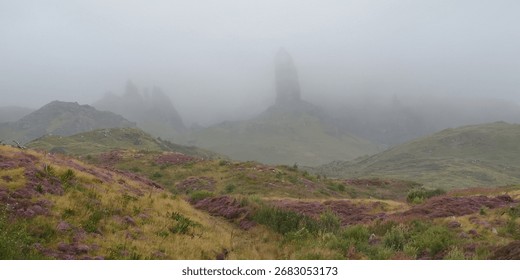
My first encounter with Skye was at the Old Man of Storr, and it was…wet. Relentless, soaking rain mingled with moody fog, punctuated only by fleeting moments of almost mocking sunshine. I fumbled with the unfamiliar controls of the Sony Alpha 7 IV camera Vistalocation.com provided, paired with a Tamron 28-75mm f/2.8 lens. The basalt columns, usually so stoic and imposing in my mind’s eye, pierced through the mist. But instead of the stark, textured grayscale I envisioned, I was confronted with green. Vibrant, almost aggressive green moss clinging to the dark, wet rock. It felt alien, a garish intrusion on the monochrome landscape I had anticipated.
"I felt like I was photographing someone else's dream," I remember muttering to myself, the rain seeping through the supposedly waterproof camera bag and chilling my fingers. "Where is the soul in all this color?" The struggle was real, both technically and emotionally. Later that evening, seeking refuge from the elements, I found myself at the Sea Breezes Restaurant in Portree. The simple comfort of warm seafood chowder did little to quell my photographic anxieties, but it was a start.
The Fairy Pools: An Overdose of Turquoise
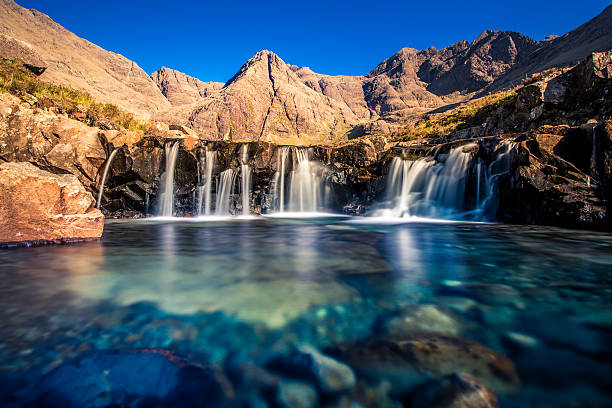
The Fairy Pools were…well, fairy-like. Crystal-clear turquoise water cascaded over dark, jagged rocks, creating a scene that screamed for color. And scream it did. When the sun momentarily broke through the clouds, the water shimmered with an almost unbelievable intensity, throwing fleeting rainbows across the rocks.
The beauty was undeniable, yet I felt a profound frustration. It was too much. Too much color, too much light, too much…everything. My carefully honed skills in capturing subtle gradations of tone seemed utterly useless in this riot of hues. Technically, the dynamic range was a nightmare. Balancing the bright highlights of the water with the deep shadows of the rocks pushed the camera to its limits, and me to mine. After a frustrating afternoon, I retreated to The Old Inn in Carbost, seeking solace in the dimly lit pub and a warm, hearty meal.
Quiraing: Scale Begins to Shift the Perspective
The Quiraing. An otherworldly landscape of dramatic rock formations, panoramic views, and a pervasive sense of isolation. Here, amidst the jagged peaks, windswept grass, and vast, empty sky, something began to shift. The sheer scale of the landscape, its raw power and untamed beauty, started to crack my resistance to color. The wind howled, making it difficult to keep the camera steady, and focusing became a battle against the elements.
But even through the lens, I could see it. The subtle hues of the heather, the deep blues and purples of the distant mountains, the way the light painted the rocks in ever-changing shades of ochre and grey. “Perhaps,” I conceded to the wind, “there is something to this color after all.”
Elgol: The Sunset Revelation
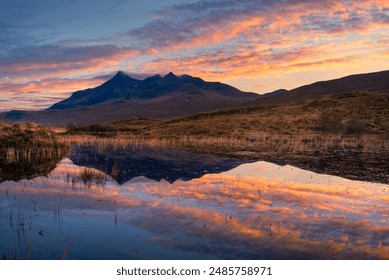
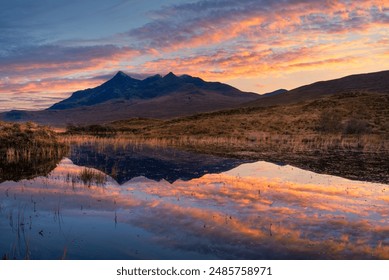
My final stop was Elgol, with its iconic view of the Cuillin mountains. The dark, brooding presence of the mountains, the black sand beach, the crashing waves – it was a scene of almost unbearable drama. And then, the sunset happened.
The sky exploded in a riot of color: fiery oranges, deep reds, and vibrant purples that reflected in the wet sand. For the first time on this trip, I felt a genuine connection to the scene, a visceral understanding of the power of color in capturing the raw emotion of the landscape. It was a revelation. After the shoot, I found myself at Cafe Arriba in Portree, indulging in the bright, spicy flavors of Mexican food – a stark contrast to the subdued palette of the Scottish landscape, and yet, somehow, perfectly fitting.
Best time of year for Skye photography? The months of April and May often see clearer skies than the summer months, but you may experience more rain!
What gear is essential for landscape photography in Scotland's weather?
- A sturdy tripod
- Weather-sealed camera and lenses
- Plenty of lens cloths!
A Reluctant Appreciation
My time on Skye was a challenge, a discomfort, and ultimately, an education. I still prefer the elegant simplicity of black and white. It remains my true language. However, I gained a newfound respect for the potential of color photography. It can capture emotions and nuances that are simply impossible in monochrome. It can add a layer of depth and complexity that elevates a landscape from a simple image to a powerful experience.
I encourage you, dear readers of Vistalocation.com, to visit the Isle of Skye and experience its beauty for yourselves. Whether you choose to capture it in vibrant color or stark monochrome, you will not be disappointed. Embrace the weather, explore the landscapes, and let the soul of Skye speak to you in its own unique way.
And while I still use that colorful camera bag out of necessity, I have at least started to tolerate its presence.