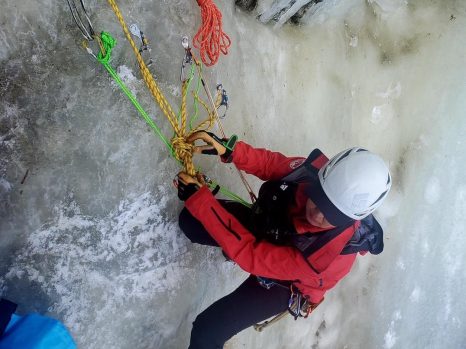
Ski Mountaineering Denali, Alaska: A Subarctic A...
Denali, the High One, stands as a formidable beacon for ski mountaineers seeking the ultimate challenge. The mountain's subarctic environment presents unique obstacles and unparalleled rewards, demanding respect, skill, and meticulous preparation. A ski mountaineering expedition here transcends mere physical exertion; it's an immersion into a world of extreme beauty and harsh realities, where the unforgiving elements test every fiber of your being. Beyond its physical and tactical challenges, Denali is rich in Athabascan heritage, holding significant spiritual and historical importance to the indigenous people of Alaska.
The Allure and Challenge of Denali
Denali's allure lies in its sheer scale and remoteness. Rising to 20,310 feet (6,190 meters), it commands the Alaskan landscape, creating its own weather patterns and microclimates. Unlike other high-altitude peaks, Denali's subarctic location means colder temperatures and unpredictable weather, often requiring climbers to navigate intense storms and whiteout conditions.
These conditions demand more than just physical prowess. They require a deep understanding of mountaineering techniques, crevasse rescue, avalanche safety, and the ability to make critical decisions under pressure. Success on Denali is a testament to a climber's adaptability, resilience, and teamwork.
Essential Equipment for a Subarctic Ascent
Choosing the right equipment is paramount for safety and success on Denali. Every item must be carefully considered for its weight, performance, and reliability in extreme conditions. Here’s a detailed breakdown of some essential gear:
Skis and Bindings
The Black Diamond Helio 116 skis (186cm) with Dynafit Radical FT 2.0 bindings are an ideal setup for Denali. This combination balances lightweight performance for the grueling ascent with stability and control for the descent in variable snow conditions. The Helio 116's width provides excellent floatation in deep powder, while the Radical FT 2.0 bindings offer reliable power transfer and a secure connection to the skis.
Boots
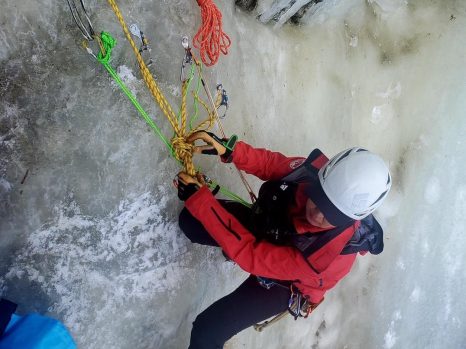
The Scarpa Maestrale RS alpine touring boots are renowned for their stiffness and walk mode range. Their rigid construction provides the necessary support for steep climbs and challenging descents, while the walk mode allows for comfortable striding on flatter terrain. The boots' customizable fit and insulation are essential for maintaining warmth and preventing blisters.
Ice Axe
An ice axe is not just a tool; it's a lifeline. The Petzl Summit Evo ice axe (59cm) stands out for its curved shaft, allowing for efficient self-arrest in the event of a fall. Its ergonomic design provides a comfortable grip, and its durable construction ensures reliability in demanding situations. Practicing self-arrest techniques is crucial before embarking on any mountaineering expedition.
Navigating the Crevasse Field: A Personal Anecdote
Above 17,000 feet, Denali's terrain becomes a labyrinth of hidden dangers: the crevasse fields. These gaping chasms lurk beneath seemingly solid snow bridges, ready to swallow the unwary. One particularly harrowing moment stands etched in my memory.
Our team was roped together, carefully probing each step with our ski poles. The wind howled, reducing visibility to near zero. Suddenly, the snow beneath my feet gave way. I plunged downwards, the rope snapping taut as my teammates reacted instantly.
Suspended in the darkness, I felt the chilling grip of the crevasse walls. The air was thin, and panic threatened to overwhelm me. But the training kicked in. I focused on breathing, assessed my situation, and waited for my team to secure an anchor.
With methodical precision, they hauled me out, inch by agonizing inch. Emerging back onto the surface, I was greeted by the relieved faces of my teammates. It was a stark reminder of the mountain's unforgiving nature and the importance of rope teamwork.
Critical Safety Protocols on Denali
Safety is the non-negotiable cornerstone of any Denali expedition. The mountain's remote location and extreme conditions demand a comprehensive safety plan and unwavering adherence to established protocols.
Communication and Emergency Response
Carrying a reliable communication device is essential. A Garmin inReach Explorer+ satellite communicator allows for two-way communication, emergency SOS signaling, and access to up-to-date weather forecasts. Regular check-ins with base camp are crucial for monitoring conditions and coordinating support if needed.
Avalanche Safety
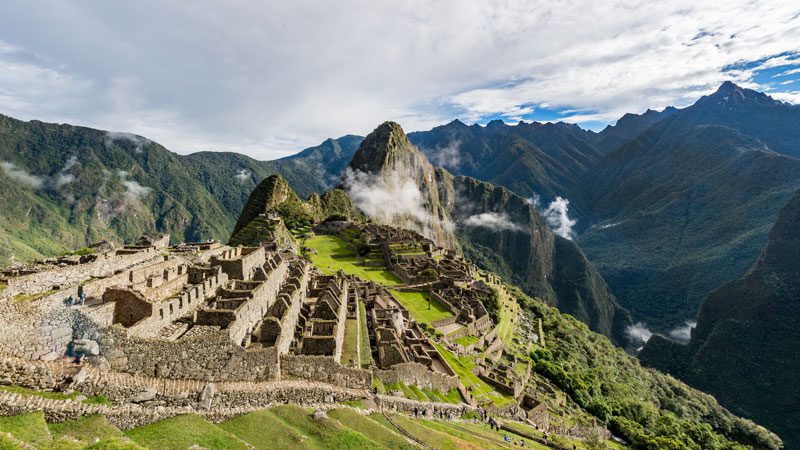
Avalanche transceivers are a vital piece of safety equipment. The Mammut Barryvox S is a high-performance transceiver known for its ease of use and reliable signal detection. Every team member must be proficient in transceiver search techniques, as well as probing and shoveling skills. Continuously assessing snow conditions and making informed decisions about travel routes is essential for minimizing avalanche risk.
Additional Essential Considerations
- Altitude Acclimatization: Gradual acclimatization is critical to prevent altitude sickness. Ascend slowly, spend rest days at higher elevations, and stay hydrated.
- Weather Monitoring: Continuously monitor weather forecasts and be prepared to adjust plans accordingly.
- Navigation: Carry a map, compass, and GPS device, and be proficient in their use.
- Medical Kit: Carry a comprehensive medical kit and be trained in basic first aid and wilderness medicine.
Denali's Subarctic Environment: Unique Challenges and Rewards
Denali's subarctic environment presents unique challenges not encountered on other high-altitude peaks. The extreme cold can lead to frostbite and hypothermia, requiring specialized clothing and meticulous attention to layering. The unpredictable weather can change rapidly, creating whiteout conditions that disorient and challenge navigation.
However, these challenges are accompanied by unparalleled rewards. The vast, untouched wilderness offers a sense of solitude and connection with nature that is difficult to find elsewhere. The views from the summit are breathtaking, encompassing a panorama of snow-capped peaks and glaciers stretching to the horizon.
A Mountain Steeped in History
Denali's significance extends far beyond its mountaineering challenges. The mountain holds deep cultural and spiritual importance to the indigenous Athabascan people, who have inhabited the region for thousands of years. They named the mountain "Denali," meaning "the High One" or "the Great One," reflecting its towering presence and spiritual power.
Understanding and respecting the mountain's cultural heritage is an integral part of any Denali expedition. Learning about the Athabascan people, their traditions, and their connection to the land enriches the experience and fosters a deeper appreciation for this extraordinary mountain.
Conclusion
Ski mountaineering Denali is not just a climb; it's a journey into the heart of the subarctic wilderness. It's a test of physical and mental endurance, a celebration of teamwork, and a profound connection with nature. While the challenges are immense, the rewards are even greater. If you are an experienced ski mountaineer seeking the ultimate adventure, Denali awaits. Are you ready to take on the challenge?
Plan your own Denali Expedition: vistalocation.com
Mount Katahdin, Maine: A Solo Thru-Hike of the Knife Edge Trail
Mount Katahdin, the northern terminus of the Appalachian Trail, stands as a rugged sentinel over the Maine wilderness. For many thru-hikers, reaching its summit marks the culmination of a journey of over 2,000 miles. But Katahdin offers more than just an endpoint; its iconic Knife Edge trail provides a thrilling and challenging experience for those seeking a taste of true wilderness adventure. This is a first-person account of my solo thru-hike across this dramatic ridge. Percival Baxter, a former governor of Maine, dedicated much of his life and fortune to preserving this area, resulting in the creation of Baxter State Park, a haven of untamed beauty.
The Knife Edge: A Test of Nerve and Skill
The Knife Edge is a narrow, mile-long arete that connects several of Katahdin's peaks. With sheer drop-offs on either side, it demands focus, careful footwork, and a healthy respect for heights. Weather conditions can change rapidly, turning a pleasant hike into a perilous traverse in a matter of minutes. This trail is not for the faint of heart.
Essential Equipment for a Solo Thru-Hike
Solo hiking the Knife Edge requires careful planning and the right gear. Your equipment is your lifeline, providing comfort, safety, and the ability to handle unexpected challenges.
Backpack

The Osprey Atmos AG 65 is a top choice for long-distance hiking. Its Anti-Gravity suspension system provides exceptional load-carrying comfort, distributing weight evenly and reducing strain on your back and shoulders. With ample storage space and thoughtful features, it's a reliable companion for any thru-hike.
Hiking Boots
Salomon X Ultra 4 Mid GTX hiking boots are built for rugged terrain. Their mid-cut design offers excellent ankle support, while the Gore-Tex membrane provides waterproof protection in wet conditions. The aggressive outsole ensures reliable traction on rocky surfaces, and the durable construction stands up to the rigors of the trail.
Trekking Poles
Black Diamond Trail Ergo Cork trekking poles offer stability and reduce stress on your joints, especially when traversing uneven terrain. Their ergonomic cork grips provide a comfortable and secure hold, and the adjustable length allows you to customize the poles to your height and the terrain.
Alone on the Ridge: A Moment of Exposure
The wind howled as I stepped onto the Knife Edge. Clouds swirled around me, obscuring the views and creating an eerie sense of isolation. The ridge narrowed to a mere foot in places, forcing me to focus intently on each step.
Suddenly, a gust of wind slammed into me, threatening to knock me off balance. I stumbled, my heart pounding in my chest. For a moment, I felt the full force of the mountain's power, and the psychological impact of being completely alone on the ridge washed over me.
I crouched low, bracing myself against the wind. Slowly, carefully, I regained my composure. Taking a deep breath, I reminded myself of the training and preparation that had brought me to this point. With renewed determination, I pressed onward.
Safety Protocols for Solo Hiking the Knife Edge
Solo hiking demands heightened awareness and meticulous adherence to safety protocols. Being prepared for any eventuality is crucial for a successful and safe journey.
Exposure and Hypothermia
Exposure to the elements is a serious risk on Katahdin. Carrying a SOL Emergency Blanket is essential for retaining body heat in cold and windy conditions. Wearing layers of moisture-wicking clothing helps regulate body temperature, and staying hydrated is crucial for preventing hypothermia.
Navigation and Self-Rescue
In whiteout conditions, navigation can be challenging. Carrying a Suunto MC-2 compass and a detailed map of the area is essential for staying on course. Familiarize yourself with the map and compass before your hike, and practice using them in different weather conditions.
In the event of an injury, knowing how to self-rescue is crucial. Carry a first-aid kit, and be trained in basic wilderness first aid techniques. Know how to splint a broken limb, treat wounds, and manage shock.
Detailed Procedures for Self-Rescue
- Assess the Situation: Determine the nature and severity of your injury. Can you move? Can you signal for help?
- Administer First Aid: Treat any injuries to the best of your ability. Stop bleeding, splint fractures, and dress wounds.
- Signal for Help: Use a whistle, signal mirror, or satellite communication device to alert rescuers to your location.
- Prepare a Shelter: Protect yourself from the elements by building a makeshift shelter. Use available materials, such as branches, leaves, and rocks.
- Conserve Energy: Stay warm and hydrated, and avoid unnecessary movement.
The Geology and History of Katahdin
The Knife Edge is a testament to the power of geological forces. Formed by glacial erosion, the ridge is composed of resistant granite, sculpted by centuries of ice and wind. Katahdin's unique geology contributes to its rugged beauty and challenging terrain.
Percival Baxter's vision was instrumental in preserving Katahdin and the surrounding wilderness. Baxter dedicated much of his life and fortune to acquiring land and establishing Baxter State Park, ensuring that future generations could experience the mountain's pristine beauty. His unwavering commitment to conservation is a legacy that continues to inspire.
Conclusion
Thru-hiking the Knife Edge solo is an experience that will stay with me forever. It's a test of physical and mental strength, a communion with nature, and a celebration of the human spirit. While the challenges are significant, the rewards are immeasurable. If you are an experienced hiker seeking a true wilderness adventure, Mount Katahdin awaits. Remember to always prioritize safety, respect the mountain, and leave no trace.
Explore more trails in Baxter State Park: vistalocation.com
Atacama Desert, Chile: Photographing the Galactic Center from the ALMA Observatory
The Atacama Desert in Chile is one of the driest and most pristine environments on Earth. Its high altitude, low humidity, and minimal light pollution create unparalleled conditions for astronomical observation, making it a haven for astrophotographers seeking to capture the wonders of the night sky. Few sights are as breathtaking as the Galactic Center, the supermassive black hole at the heart of our Milky Way galaxy, and the Atacama offers a front-row seat to this celestial spectacle. The ALMA (Atacama Large Millimeter/submillimeter Array) observatory plays a crucial role in astronomical research, studying the formation of stars and galaxies in this unique environment.
The Atacama: An Astrophotographer's Paradise
The Atacama's unique atmospheric conditions make it an ideal location for astrophotography. The high altitude reduces the amount of atmosphere between the camera and the stars, minimizing atmospheric distortion. The low humidity ensures clear skies, and the minimal light pollution allows for capturing faint celestial objects with exceptional clarity.
Essential Equipment for Astrophotography in the Atacama
Capturing stunning images of the Galactic Center requires specialized equipment designed for low-light conditions and long exposures.
Camera
The Sony Alpha 7S III is a powerhouse for astrophotography. Its exceptional low-light capabilities allow you to capture faint stars and nebulae with remarkable detail. The camera's high dynamic range preserves detail in both the bright and dark areas of the image.
Lens
The Sigma 14mm f/1.8 DG HSM Art lens is a wide-angle lens designed for capturing vast expanses of the night sky. Its wide aperture allows for gathering more light, enabling shorter exposure times and reducing star trails. The lens's sharpness and minimal distortion ensure crisp, clear images.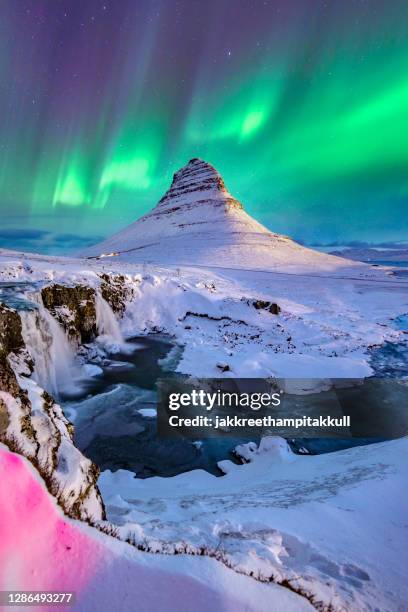
Tripod
A stable tripod is essential for long exposures. The Really Right Stuff TVC-34L Versa Series 3 tripod with BH-55 ballhead provides exceptional stability, even in windy conditions. Its robust construction and precise adjustments ensure that your camera remains perfectly still during long exposures.
Battling Light Pollution: A Personal Experience
Despite the Atacama's remoteness, light pollution from distant towns can still pose a challenge. On one particular night, I was attempting to capture the Galactic Center when I noticed a faint glow on the horizon. It was light pollution from a town over 100 kilometers away.
To mitigate the effects of light pollution, I used a light pollution filter on my lens. This filter selectively blocks out certain wavelengths of light, reducing the impact of artificial light on my images. I also used a dark frame subtraction technique, which involves taking a series of images with the lens cap on to identify and remove noise caused by light pollution.
Safety Protocols for Astrophotography in the Atacama
Astrophotography in the Atacama presents unique safety challenges, including altitude sickness, dehydration, and equipment protection.
Altitude Acclimation
The Atacama's high altitude can cause altitude sickness. Ascend gradually, spend rest days at higher elevations, and stay hydrated. If you are susceptible to altitude sickness, consider carrying a Mountain High A-2 portable oxygen concentrator.
Hydration and Sun Protection
The desert environment can lead to rapid dehydration. Carry plenty of water and drink regularly. Protect yourself from the sun with sunscreen, a hat, and sunglasses.
Equipment Protection
The Atacama's dry, dusty environment can damage sensitive equipment. Protect your camera and lenses from dust with a protective bag or case. Use a lens cloth to regularly clean your lenses.
The Scientific Significance of ALMA
The Atacama Large Millimeter/submillimeter Array (ALMA) is one of the world's most advanced astronomical observatories. Located at an altitude of 16,500 feet (5,000 meters), ALMA consists of 66 high-precision antennas that observe the universe at millimeter and submillimeter wavelengths.
ALMA plays a crucial role in studying the formation of stars and galaxies, probing the conditions in the early universe, and searching for evidence of extraterrestrial life. Its observations have revolutionized our understanding of the cosmos.
Conclusion
Photographing the Galactic Center from the Atacama Desert is an unforgettable experience. The unique atmospheric conditions, combined with the awe-inspiring beauty of the night sky, create a truly magical setting. With careful planning, the right equipment, and a respect for safety, you can capture stunning images of the cosmos and witness the wonders of the universe firsthand.
Book your trip to the Atacama Desert today: vistalocation.com
Ice Climber Detaches From Ice Wall, Successfully Self-Arrests - Ouray, CO
(VIRAL VIDEO CONCEPT)
This video concept simulates a realistic ice climbing accident in Ouray, CO, designed for viral potential. The goal is to capture the surprise, fear, and relief of a near-miss incident while highlighting the importance of self-arrest skills.
HOOK:
IMMEDIATE VISUAL: Ice climber's foot slips, sending a shower of ice chips directly at the camera, revealing the climber’s dangling, off-balance position. The initial shot begins IN MEDIA RES - No warning or setup.
SCENE:
STYLE: Real-time, shaky cam footage shot from the perspective of the belayer on the ice.
LIGHTING: Overcast, diffused light creating stark shadows on the ice wall.
CAMERA WORK: Mostly static, close-up shot emphasizing the climber's movements, interspersed with quick, jerky pans to the ice axe placements.
COMPOSITION: Wide shot establishing the height of the ice wall (Ouray Ice Park), immediately switching to a low-angle shot emphasizing the climber's vulnerability. The initial clip shows the climber about 20 feet up a vertical section of ice.
TWIST:
After a terrifying, uncontrolled fall of about 10 feet, the climber swiftly plants their ice axe and successfully self-arrests just before hitting a small snow-covered ledge. There is a visible shaking as they recover, but no audio.
VIRAL ELEMENTS:
- SURPRISE: Unexpected foot slip on a seemingly stable ice wall.
- CLARITY: Clear at a glance what's happening: climber falling, self-arresting.
- EMOTION: Evokes fear, relief, and amazement.
- VISUAL STYLE: Realistic, raw footage. Mimic the style of amateur GoPro footage.
TECHNICAL SPECIFICATIONS:
CAMERA WORK: GoPro POV, shaky cam, close-up, slow-motion replay of the self-arrest.
LIGHTING: Natural, overcast light. Adjust the GoPro settings to darken the surrounding snow, which gives a dramatic light contrast.
COMPOSITION: Low-angle shot emphasizing the height and difficulty.
QUALITY: Initially simulate standard GoPro footage. Add a short clip that is slowed down, enhanced and shot on RED in 4k emphasizing the climber's technique.
PACING & STRUCTURE:
- Start IN MEDIAS RES with the climber already on the wall.
- Pack the punch early (fall within the first 3 seconds).
- Use action words in the description: "suddenly slips," "rapidly loses grip," "bursting shards of ice," "in rapid succession, plants ice axe."
- Explicit twist/punchline: Successful self-arrest prevents a more serious fall.
AVOID:
- Slow build-ups or setup phases.
- Generic terms.
- Multiple unrelated concepts.
- Missing the payoff element (successful self-arrest).
Discover the thrill of ice climbing in Ouray: vistalocation.com