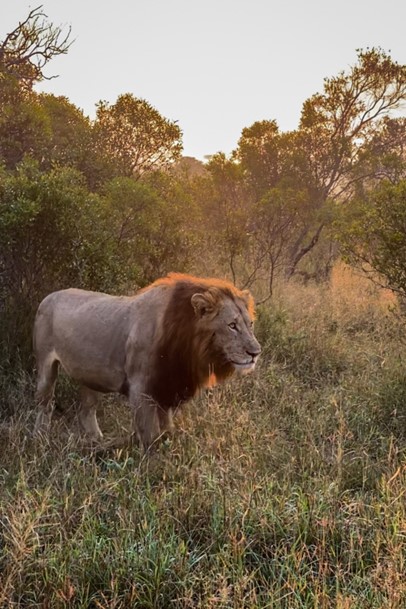
Singita Sabi Sand: A Wildlife Biologist's Perspe...
As a wildlife biologist specializing in African elephants and sustainable tourism, I, Dr. Imani Nkosi, have dedicated my life to understanding and protecting the magnificent biodiversity of this continent. My recent research sabbatical took me to Singita Sabi Sand, a name synonymous with luxury and conservation in South Africa. I was not just seeking a comfortable stay; I wanted to delve into the heart of their anti-poaching initiatives, witness their community-based conservation efforts firsthand, and understand the true impact of their sustainable safari tourism model. What I discovered was a profound commitment to preserving the natural world and empowering the local communities who share this land. This is my review of Singita Sabi Sand.
Tracking Giants: Joining the Anti-Poaching Unit
My journey began with an invitation to join the anti-poaching unit for a day of elephant tracking. Led by Johan Kruger, Head of Anti-Poaching, this experience offered a raw and unfiltered look at the challenges and triumphs of protecting these incredible animals. Kruger explained, "Poaching is a constant threat, but with the support of Singita and our dedicated team, we're able to stay one step ahead." We hopped into a heavily modified Land Cruiser, equipped with state-of-the-art technology.
The unit utilizes Lotek GPS collars on several elephants, transmitting real-time location data. These collars have a range of several kilometers, allowing the team to monitor elephant movement patterns and identify potential threats. Additionally, we employed a FLIR thermal imager, capable of detecting heat signatures from several hundred meters away, even in dense bush. Kruger elaborated, "The thermal imager is invaluable at night. It allows us to spot poachers who might be trying to approach the elephants undetected."
Using the GPS data, we navigated through the bush, eventually locating a matriarch and her calf. The data revealed that this particular herd had been moving closer to the reserve boundary in recent weeks, potentially increasing their risk of encountering poachers. By understanding these movement patterns, the anti-poaching unit can strategically deploy patrols and resources to deter potential threats. However, the use of this technology also raises ethical considerations. As Dr. Imani Nkosi stated, "it is essential to minimize potential stress on animals and protect data privacy". We need to make sure technology enhances wildlife conservation.
The data collected from the GPS collars is also used for research purposes, providing valuable insights into elephant behavior, habitat use, and social dynamics. This information helps inform conservation strategies and ensure the long-term survival of these magnificent creatures.
A Visit to Huntington Primary School: Investing in the Future
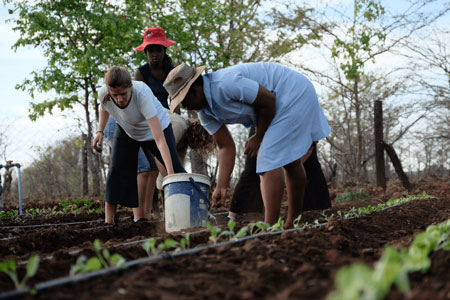
The next day, I visited Huntington Primary School, a testament to Singita's commitment to community-based conservation. The school, located in the nearby Huntington village, receives significant support from Singita's community outreach program, providing much-needed resources and opportunities for the students. This visit allowed me to see how sustainable tourism practices in Sabi Sand could affect future generations.
Ms. Thandiwe Mbele, a community leader who oversees the education program, greeted me with a warm smile. "Education is the key to unlocking a brighter future for our children," she said. "Singita's support has been invaluable in providing our students with the resources they need to succeed."
I had the opportunity to meet Nomusa, a bright and articulate 12-year-old who dreams of becoming a doctor. Nomusa's story is a powerful example of the transformative impact of Singita's community outreach program. Before the program was implemented, Nomusa struggled in school due to a lack of textbooks and limited access to after-school tutoring.
With the provision of new textbooks and the opportunity to participate in after-school tutoring funded by Singita, Nomusa's academic performance has soared. "I used to struggle with my studies," Nomusa told me, "but now I'm doing really well. I want to be a doctor so I can help people in my community." Her eyes sparkled with determination, a testament to the power of education and opportunity. She is learning why community involvement is important in wildlife conservation.
Rhino Notching: A Vital Conservation Tool
While a direct participation in a rhino notching procedure wasn't feasible during my stay due to logistical constraints, I was provided with a detailed and immersive simulated experience. This involved in-depth discussions with the veterinary team, reviewing videos of past procedures, and examining the tools and techniques used. This is a crucial element of rhino conservation in the Sabi Sand Reserve.
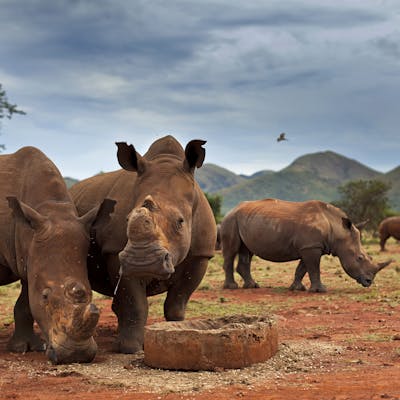
Rhino notching is a procedure where unique identification marks are made on a rhino's ear. This process provides valuable data for conservation. Each rhino is given a unique notch pattern, allowing researchers to track their movements, monitor their health, and identify individuals involved in poaching incidents. The procedure is typically carried out under anesthesia by a qualified veterinarian, minimizing stress and discomfort to the animal. "Rhino poaching is a massive issue, but with the help of Singita we can keep an eye on their population," Kruger explained.
The simulated experience underscored the importance of this procedure for rhino conservation. By tracking individual rhinos, researchers can gather critical data on their population dynamics, breeding patterns, and habitat use. This information is vital for developing effective conservation strategies and ensuring the long-term survival of these endangered animals. Ethical considerations are paramount in rhino notching. All procedures must be conducted by experienced professionals who prioritize the animal's welfare. Minimizing stress and pain is essential.
Ethical Wildlife Tourism: A Path to Sustainability
My experience at Singita Sabi Sand highlighted the importance of ethical wildlife tourism in Africa. Supporting lodges that prioritize sustainability, community engagement, and responsible tourism practices is crucial for the long-term conservation of wildlife and the well-being of local communities. But what are the benefits of luxury eco-safaris?
Singita Sabi Sand's commitment to these principles is evident in their various initiatives, from their anti-poaching efforts to their community outreach programs. By investing in education, healthcare, and economic development, Singita is empowering local communities to become active participants in conservation efforts. However, the success of this model relies on the conscious choices of travelers. How can I minimize my environmental impact on safari? Choosing eco-conscious lodges, respecting wildlife, and supporting local communities are vital steps.
Singita Sabi Sand: Setting a New Standard for Conservation
My time at Singita Sabi Sand was more than just a luxury safari; it was an immersive experience that deepened my understanding of wildlife conservation in Africa. The lodge's unwavering commitment to sustainable safari tourism, coupled with their dedication to empowering local communities, sets a new standard for responsible tourism. I am impressed by how the African Elephant Anti-Poaching Tourism has been implemented in the area.
By supporting Singita Sabi Sand, travelers are not just enjoying a luxurious vacation; they are investing in the future of conservation and contributing to the well-being of local communities. From Nomusa's pursuit of education to the anti-poaching unit's tireless efforts to protect elephants, Singita Sabi Sand is making a tangible difference. As Dr. Imani Nkosi, I implore you to consider supporting Singita for your next visit to Sabi Sands.
Call to Action: Learn more about Singita Sabi Sand's conservation efforts and book your luxury eco-safari South Africa experience today at vistalocation.com!
Viral Video Concept:
HOOK: Slow-motion close-up shot of a black rhino calf nuzzling its mother.
SCENE: Cinematic 4K footage follows the anti-poaching unit (including Dr. Nkosi) as they track elephants using GPS technology in the Sabi Sand Reserve. Intercut with visuals of Huntington Primary School and smiling children engaged in learning activities. High-speed camera footage of the unit moving through the bush rapidly.
TWIST: The camera pans up from the anti-poaching unit to reveal a wide shot of the Sabi Sand landscape, then rapidly zooms in on a small, hand-painted sign at the school that reads: "Educating Future Conservationists, Supported by Singita." The final shot is a dramatic close-up of Nomusa holding a textbook, smiling confidently at the camera.