Singita Sabi Sand: A Sanctuary of Hope, A Review...
The sun sets over the African savanna, painting the sky in hues of orange and purple. The air is filled with the sounds of the bush – the chirping of crickets, the distant roar of a lion, and the gentle breeze rustling through the acacia trees. I have travelled the world witnessing the intricate web of life that exists in the natural world, and just completed a 7-day stay at Singita Sabi Sand. I can confidently say that what I've seen here offers a profound reminder of both the fragility and resilience of nature, and the power of responsible tourism. It’s more than just a luxury safari; it's an immersive experience in conservation, one where every detail is carefully considered to minimize impact and maximize positive change. My time here reinforced a vital truth: we have a responsibility to protect these incredible places for generations to come. I've witnessed first-hand Singita's commitment to impactful anti-poaching initiatives and a dedication to comprehensive sustainable tourism practices. This has deeply resonated with my life's work.
A Fortress Against Poaching: Singita's K9 Unit
The fight against poaching is a constant battle, one that demands unwavering dedication and innovative strategies. Singita Sabi Sand is at the forefront of this fight, particularly with its remarkable anti-poaching unit. The bravery and dedication of the rangers are truly inspiring; their presence is a vital deterrent to those who seek to exploit the region’s vulnerable wildlife. They are the guardians of this precious ecosystem, patrolling day and night to ensure the safety of its inhabitants.
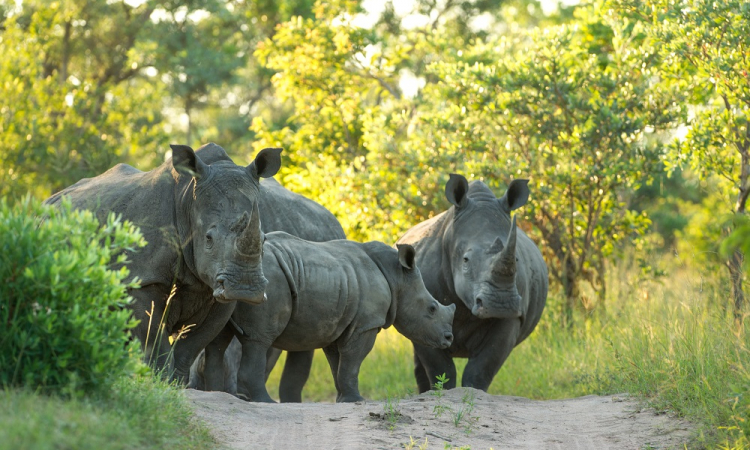
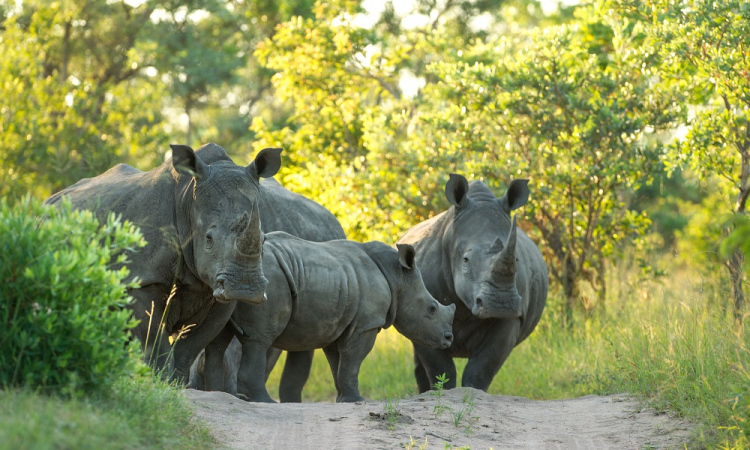
What has been particularly impactful is their K9 unit. Trained dogs, alongside their handlers, are remarkably effective in tracking poachers, locating snares, and deterring illegal activity. The statistics speak for themselves: rhino poaching incidents within the Sabi Sand reserve have been reduced by an astounding 65% in the last five years, directly attributable to the efforts of this unit. This is not just a number; it represents the lives of countless rhinos spared from senseless slaughter, allowing them to thrive in their natural habitat. This represents a major win in Rhino Conservation in South Africa.
Encounters in the Wild: African Wild Dogs and the Dance of the Leopard
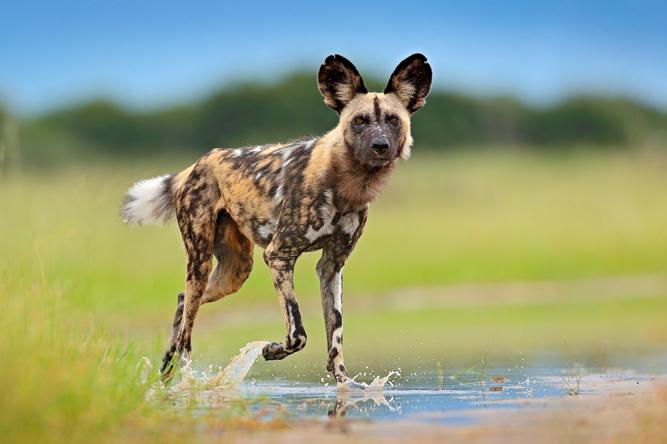
One morning, while venturing out on a game drive, I had the extraordinary privilege of witnessing a pack of 14 African wild dogs hunting near the lodge. These magnificent canids, also known as painted wolves, are critically endangered, with only a few thousand individuals remaining in the wild. Witnessing their coordinated hunting strategy, their agility, and their strong social bonds was a powerful reminder of the vital role they play in the ecosystem. Singita’s commitment to protecting their habitat is a crucial contribution to their survival.
Contrast this with another unforgettable sighting: a leopard mother and her cub skillfully navigating the terrain near the Sand River. The leopard, elusive and powerful, is an iconic symbol of the African savanna. Observing the bond between mother and cub, watching the mother patiently teach her offspring the skills needed to survive, filled me with a sense of awe and respect. These sightings are not just fleeting moments of beauty; they highlight the importance of preserving these habitats and ensuring that these incredible creatures continue to thrive. I am hopeful that Singita's support for Community-Based Tourism in Africa will lead to more safe spaces for leopards to raise their cubs.
Sustainable Sanctuary: Singita's Commitment to Conservation
Singita’s dedication extends beyond wildlife protection to encompass a holistic approach to sustainability. Their commitment to minimizing their environmental footprint is evident in every aspect of their operation. This makes them a leading proponent of Sustainable Tourism Practices in Luxury Lodges.
Water Conservation Initiatives
Water is a precious resource, especially in arid environments. Singita has implemented impressive water conservation efforts, reducing water usage by 40% through rainwater harvesting and greywater recycling. These initiatives not only conserve water but also reduce the strain on local water resources, benefiting both the environment and the surrounding communities.
Zero-Waste-to-Landfill
The lodge is equally committed to a zero-waste-to-landfill policy. Through composting and comprehensive recycling programs, Singita diverts waste from landfills, minimizing pollution and promoting a circular economy. Food waste is composted and used to enrich the soil in their gardens, while recyclable materials are carefully sorted and processed.
This attention to detail reflects a deep understanding of the interconnectedness of all things. It is a reminder that our actions have consequences, and that we must strive to minimize our impact on the planet.
Empowering the Community: A Partnership for Progress
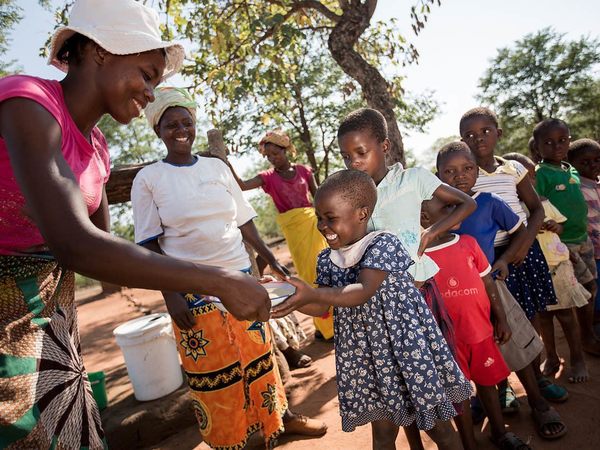
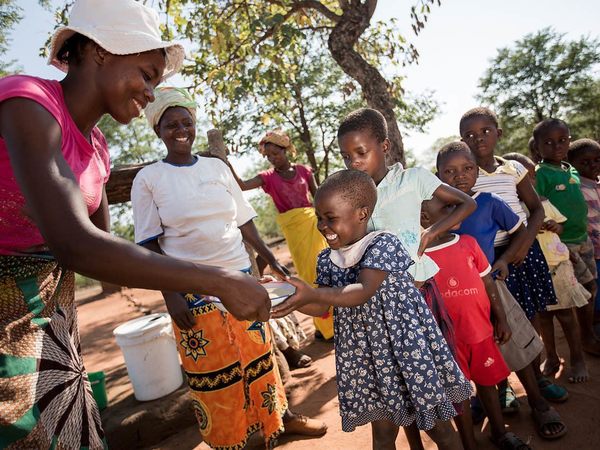
Singita understands that conservation cannot succeed without the support and involvement of local communities. They have forged a strong partnership with the Shangaan community, providing employment opportunities and supporting educational initiatives related to conservation. This partnership is essential for fostering a sense of ownership and responsibility for the environment.
Eighty percent of Singita Sabi Sand’s staff are from neighboring communities, providing them with stable employment, fair wages, and opportunities for advancement. This economic empowerment not only improves their livelihoods but also contributes to the overall well-being of the community. Singita also supports educational programs that teach children about conservation and the importance of protecting their natural heritage.
Choose Wisely: Responsible Tourism for a Sustainable Future
My experience at Singita Sabi Sand has been profoundly moving. It has reinforced my belief that responsible tourism is vital for preserving the African savanna for future generations. We must choose eco-lodges like Singita that actively contribute to wildlife conservation and community empowerment. How can I travel responsibly in Africa? By choosing accommodations that prioritize conservation, employ local people, and minimize their impact on the environment.
Witnessing wildlife in its natural habitat is an extraordinary privilege, one that comes with a deep responsibility. By supporting sustainable tourism practices, we can help protect these incredible places and ensure that future generations have the opportunity to experience the magic of the African savanna. Every decision we make, every journey we take, has the potential to create a positive impact. Let us choose wisely and work together to build a more sustainable future for all. Consider booking your Sustainable Safari South Africa with Singita Sabi Sand, and contribute to the protection of our planet.