Singita Lebombo Rhino Conservation: A Wildlife V...
As a wildlife veterinarian specializing in rhino preservation and a regular contributor to vistalocation.com as a sustainable travel expert, I've had the privilege of experiencing some truly remarkable places. But my recent stay at Singita Lebombo Lodge in South Africa’s Kruger National Park was unlike anything I've encountered. It wasn't just the luxury safari experience, but the profound immersion in rhino conservation efforts, the connection to the local Shangaan culture, and the tangible impact of community-based tourism that resonated deeply with me. Join me as I share three unique experiences that made my time at Singita Lebombo unforgettable, and why I believe it's a vital example of sustainable tourism done right.
Rhino De-horning: A Frontline Conservation Experience
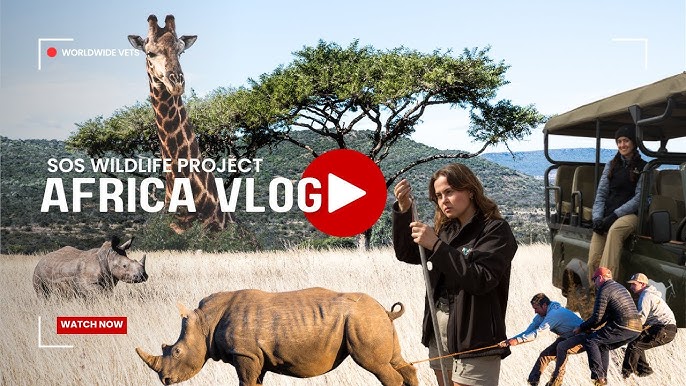
Rhino poaching is a relentless threat in South Africa. As Dr Imani Nkosi Rhino Veterinarian Kruger, I've witnessed its devastating consequences firsthand. That's why I was deeply moved to participate in a rhino de-horning operation alongside Singita's dedicated anti-poaching unit. What is rhino dehorning for conservation? It's a preventative measure, aimed at deterring poachers by removing the primary incentive – the horn.
The morning began before sunrise. The air was crisp, carrying the scent of the African bush. We tracked a rhino from a helicopter, until the vet could dart it. Once the tranquilizer took effect, we approached with a mix of trepidation and determination. The smell of the drug hung heavy in the air, mingling with the earthy aroma of the rhino itself. Running my hand over its thick, leathery hide, I felt an overwhelming sense of responsibility.
The de-horning process is carefully planned to minimize stress to the animal. The horn is made of keratin, like our fingernails, so removing it is painless. The team worked with practiced efficiency, sawing through the horn close to the base. Holding the severed horn in my hands, I was struck by its weight and its tragic value in the illegal wildlife trade. The entire operation occurs as quickly as possible to protect the animal.
"De-horning isn't a silver bullet, but it buys us time," said Johan, a member of the anti-poaching unit. "It makes the rhino less attractive to poachers, giving us a better chance to protect them." Johan's words were a somber reminder of the constant battle being waged to safeguard these magnificent creatures. Rhino dehorning gives the anti-poaching unit a new opportunity to discover potential poaching opportunities.
It's crucial to understand that this procedure, while effective, is not a permanent solution. It's a tool in a larger strategy that includes increased security, community engagement, and tackling the demand for rhino horn in international markets. The horn does grow back, though much more slowly.
The impact on rhino protection is significant. De-horned rhinos are demonstrably less likely to be targeted by poachers. While it requires ongoing monitoring and re-dehorning, this intervention provides a critical window for conservation efforts to gain ground. If you want to directly support this vital work, I urge you to donate to the Singita Community Development Trust. Singita Community Development Trust
Shangaan Stargazing: Unveiling the Cosmic Wisdom of Africa
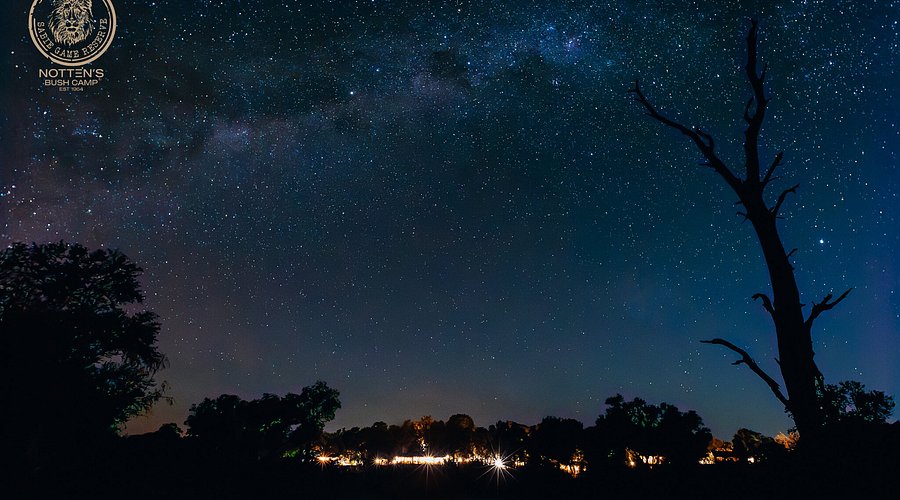
Beyond the incredible wildlife encounters, Singita Lebombo offers a unique cultural experience: Shangaan Stargazing Singita Lebombo. Guided by Hosi Mabasa, a local Shangaan culture astronomer, this experience connected me to the African night sky in a way I never imagined. Best time to visit Kruger National Park for stargazing? The dry winter months offer the clearest skies.
Hosi's storytelling transported us back centuries. He pointed out constellations not found on Western star charts, constellations woven into the fabric of Shangaan life. He explained how his ancestors used the stars for navigation, for predicting the rains, and for understanding the cycles of nature. The silence of the African night was broken only by Hosi's voice and the crackling of the campfire, while the southern skies provided all the light that we needed.
He shared stories of Tinhlati, the Pleiades, marking the start of the planting season. He spoke of Ndlopfu, the elephant constellation, guiding travelers across the vast landscapes. His knowledge was profound, passed down through generations, a testament to the deep connection between the Shangaan people and their environment. I learned about Xigubu, which is the Shangaan version of the Big Dipper, used as a directional tool by the people.
Looking up at the Milky Way, a river of stars stretching across the heavens, I felt a sense of awe and humility. The vastness of the universe, combined with the wisdom of Hosi Mabasa, put our place in the world into a striking and humbling perspective. The beauty and stillness of the African night were truly unforgettable. This is a cultural experience that truly sets Singita apart.
Community Project Visit: Empowering Through Tourism
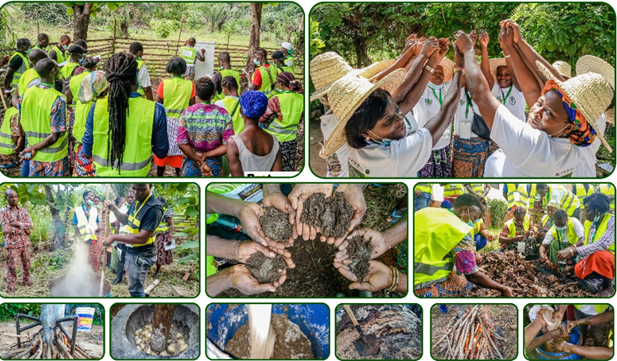
Singita Community Projects South Africa exemplify how tourism can contribute to community empowerment and sustainable development. A visit to the Dumela Community Centre, supported by Singita's non-profit partner, the Singita Community Development Trust, showed me the tangible impact of this commitment. How does Singita Lebombo Lodge support local communities? Through direct funding and skills development programs.
The Dumela Centre focuses on early childhood education and sustainable agriculture. I saw young children engaging in learning activities, their faces bright with curiosity. I learned about the center's efforts to promote food security through organic farming and to empower local women through skills training. This allows the entire community to grow and learn together.
“Singita’s support has been transformative,” said Thandi, a community leader at the centre. “It has allowed us to provide quality education for our children and to build a sustainable future for our community.” Thandi's words underscored the power of responsible tourism to create positive change. She described to me how the children learned Shangaan stories at the centre to keep the culture alive for future generations.
It’s not just about providing financial assistance; it’s about creating opportunities for self-sufficiency and empowering local communities to thrive. By supporting initiatives like the Dumela Centre, Singita demonstrates a genuine commitment to ethical wildlife tourism South Africa and ensuring that the benefits of tourism are shared equitably. Singita Lebombo Lodge community tourism impact is significant and far-reaching.
A Call to Action: Protecting Our Future
My experience at Singita Lebombo Lodge was more than just a luxury safari; it was a journey of connection – to the land, to the wildlife, and to the people who call this place home. From the intensity of the rhino de-horning to the wonder of the Shangaan stargazing and the hope inspired by the community project visit, I left with a renewed sense of purpose.
If you're looking for a South Africa safari that combines unparalleled luxury with a deep commitment to conservation and community, I wholeheartedly recommend Singita Lebombo Lodge.
You can support their vital work by donating to the Singita Community Development Trust: Singita Community Development Trust
And to experience this incredible destination for yourself, book your adventure through vistalocation.com: [vistalocation.com] (Replace with a dedicated booking link).
Let's travel responsibly, protect our planet, and empower communities along the way.
Viral Video Concept: Biomimicry in Action
Title: Singita Lebombo: Where Luxury Meets Nature
Description: Witness the breathtaking design of Singita Lebombo Lodge, inspired by the intricate architecture of weaver bird nests! 🤯 #biomimicry #luxurytravel #southafrica #sustainability #architecture #design #wildlife
Video Breakdown:
- HOOK (0-3 seconds): Start with a close-up, super slow-motion shot (240fps) of a brightly colored bird suddenly bursting out of a nest built directly into the structural beams of Singita Lebombo Lodge. The camera zooms out rapidly to reveal more of the nest and the lodge structure behind it. Lighting should be bright and natural.
- SCENE (3-12 seconds): Employ an orbital drone shot showcasing the entire lodge complex during golden hour. The drone circles slowly, revealing how the lodge's architecture mimics the interwoven branch structure of the weaver bird nests. Focus on warm, dramatic shadows and highlighting the textures of the wood and thatch. Include glimpses of the surrounding African wildlife, such as elephants or rhinos in the distance. The music should be an upbeat, Afro-house track with a driving rhythm. Examples include Black Coffee, Shimza, or Caiiro.
- TWIST (12-15 seconds): The lodge seamlessly dissolves into a CGI rendering that shows the exact blueprint comparison between the birds' nest structure and the lodge design. This should be visually stunning and immediately understandable. Use a clear, contrasting color palette. Text overlay: "Biomimicry in Action: Singita Lebombo Lodge".
Viral Elements:
- Surprise: The unexpected appearance of the bird and its nest within the lodge's architecture.
- Clarity: The clear visual comparison between the bird's nest and the lodge's design.
- Emotion: A sense of wonder, amazement, and appreciation for the lodge's innovative design and its connection to nature.
- Visual Style: Cinematic, showcasing the beauty and ingenuity of Singita Lebombo Lodge.
Music Recommendations:
- "We Find a Way" - Black Coffee feat. Tellaman
- "Darkness Fell" - Shimza
- "Drumboss Madness" - Caiiro
Camera Angles:
- Close-up, super slow-motion: Bird emerging from nest
- Orbital (drone): Wide shot of the lodge complex
- Seamless transition: Lodge to CGI rendering
- Clean, clear overlay text
Lighting:
- Golden hour: Warm, dramatic shadows
- Natural light: Authentic moments
Target Audience:
- Affluent travelers
- Eco-conscious individuals
- Architecture and design enthusiasts
- Wildlife lovers