Singita Lebombo Lodge: An African Safari Through...
Imagine the African sun beating down, the air thick with the scent of dry earth and wild animals. As a National Geographic wildlife photographer, I've chased light and stories across the globe, but few places have captured my heart like Kruger National Park. My recent experience at Singita Lebombo Lodge wasn't just a luxury safari; it was an immersive journey into the heart of conservation, ethical tourism, and the raw beauty of South Africa. Join me as I share my perspective, focusing on the unique architectural design of the lodge, Singita's unwavering commitment to community and conservation, and the impactful wildlife photography workshops that offered an unparalleled opportunity to connect with this precious landscape. This African safari was more than just a trip; it was a lesson in responsible travel and the power of images to tell vital stories. For luxury travelers interested in wildlife photography, ethical tourism, and conservation, Singita Lebombo is an experience unlike any other.
Architectural Marvel: Where Luxury Meets the Wild
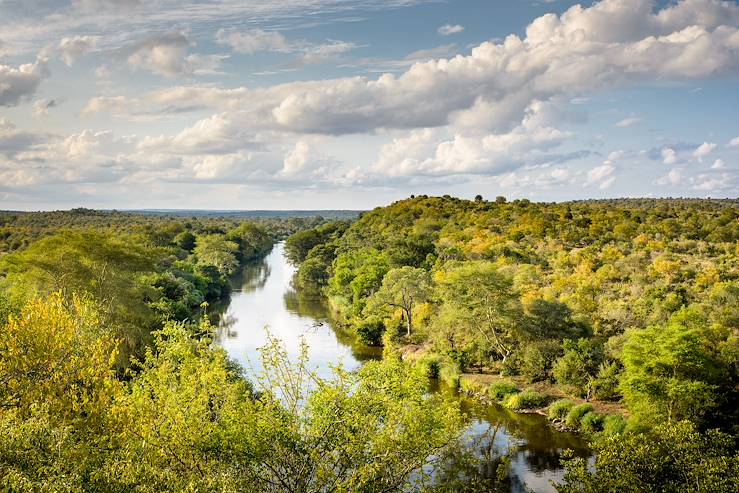
Singita Lebombo Lodge stands as a testament to innovative architectural design. Far from the traditional safari lodge aesthetic, it embraces a modern, loft-style approach that seamlessly blends into the rugged landscape of the Lebombo Mountains. The lodge's open-plan suites, constructed primarily of wood and glass, offer breathtaking panoramic views of the Kruger National Park below. The effect is one of complete immersion; you feel intimately connected to the wilderness, even from the comfort of your luxurious accommodation. The minimalist design ensures that the focus remains where it should be: on the stunning natural environment.
Singita’s Commitment: Conservation and Community Upliftment
Singita's dedication to conservation and community upliftment is at the core of its philosophy. Their commitment extends far beyond providing luxury accommodations; it's about actively protecting the environment and empowering local communities. They invest heavily in anti-poaching initiatives, wildlife monitoring programs, and sustainable tourism practices. What truly impressed me was their focus on education and job creation within the surrounding communities. By providing training and employment opportunities, Singita empowers local people to become custodians of their natural heritage, fostering a sense of ownership and responsibility for the long-term preservation of Kruger National Park. This dedication makes a visit to Singita Lebombo Lodge a truly ethical tourism experience. Singita conservation efforts Kruger National Park are making a real difference.
Wildlife Photography Workshops: Learning from the Experts
Participating in the wildlife photography workshops offered at Singita Lebombo Lodge was an enriching experience. The workshops are designed for photographers of all levels, from beginners to seasoned professionals. What sets them apart is the opportunity to learn from local guides and conservationists who possess an intimate understanding of the Kruger's ecosystem and its inhabitants.
We delved into the technical aspects of wildlife photography, covering topics such as camera settings, composition, and lighting. However, the workshops went beyond the technical, emphasizing the ethical considerations of wildlife photography. We discussed the importance of respecting animals and their habitats, maintaining a safe distance, and avoiding any actions that could cause disturbance or stress.
Ethical Encounters: Tracking Rhinos on Foot
One of the most memorable experiences was rhino tracking ethical safari. Accompanied by experienced trackers, we ventured into the bush on foot, carefully following rhino tracks. The thrill of encountering these magnificent creatures in their natural habitat was incredible. However, it was the emphasis on ethical conduct that resonated most deeply. We maintained a respectful distance, allowing the rhinos to continue their natural behavior without feeling threatened or disturbed. Witnessing these endangered animals in such a responsible manner reinforced the importance of sustainable tourism practices.
Capturing the Magic: Lions at Sunrise and Birdlife in Bloom
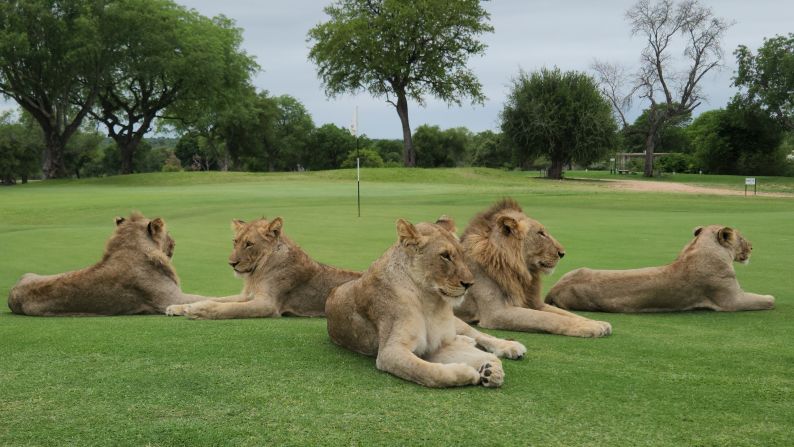
Photographing lions at sunrise was an exercise in patience and perseverance. Waking before dawn, we drove to a promising location and waited. As the first rays of light painted the sky in hues of gold and orange, a pride of lions emerged from the shadows. The scene was breathtaking. I focused on capturing their raw power and grace, ensuring that my presence didn't disrupt their natural behavior. How to photograph lions in the wild ethically is a question every wildlife photographer should consider.
The vibrant colors of African birdlife also provided endless photographic opportunities. From the striking lilac-breasted roller to the majestic African fish eagle, the Kruger is a paradise for bird enthusiasts. Patience and a telephoto lens were essential for capturing these elusive creatures in their natural glory.
The Stories Behind the Images: Conservation in Focus
Each photograph I captured at Singita Lebombo Lodge tells a story. These aren't just pretty pictures; they're visual narratives of the ongoing conservation efforts in Kruger National Park. They depict the challenges faced by wildlife, such as poaching and habitat loss, but also the resilience and hope that comes from dedicated conservation initiatives. By sharing these images, I aim to raise awareness and inspire action, encouraging others to support the protection of this precious ecosystem. Wildlife photography conservation projects Kruger rely on awareness and support.
Challenges and Rewards: A Photographer's Perspective
Wildlife photography is not without its challenges. The unpredictable nature of animals, the harsh environmental conditions, and the constant need to be patient and observant can be demanding. However, the rewards are immeasurable. Capturing that perfect moment, the fleeting expression, the raw emotion – it's a privilege that I cherish. Knowing that my images can contribute to conservation efforts and inspire others to connect with nature makes all the challenges worthwhile. Ami Vitale National Geographic wildlife photography tips often center around patience and respect for the animals.
A Personal Connection: Preserving the Landscape for Future Generations
My time at Singita Lebombo Lodge fostered a deep personal connection to the landscape and its inhabitants. It reinforced the importance of preserving this natural heritage for future generations. We have a responsibility to protect these ecosystems, not only for the sake of the animals that call them home but also for the benefit of humanity. Sustainable tourism, ethical photography, and active participation in conservation efforts are essential steps towards achieving this goal.

The Call of the Wild: Your Journey Awaits
Singita Lebombo Lodge is more than just a luxury safari destination; it's a sanctuary for the soul, a place where you can connect with nature, learn about conservation, and contribute to a better future. I encourage you to visit Singita Lebombo Lodge and participate in the wildlife photography workshops to experience the magic of Kruger National Park firsthand and contribute to conservation efforts and experience an ethical African safari. Let the African safari call to you and book your unforgettable journey today!