Siem Reap's Vegan Secret: Beyond Angkor Wat, a C...
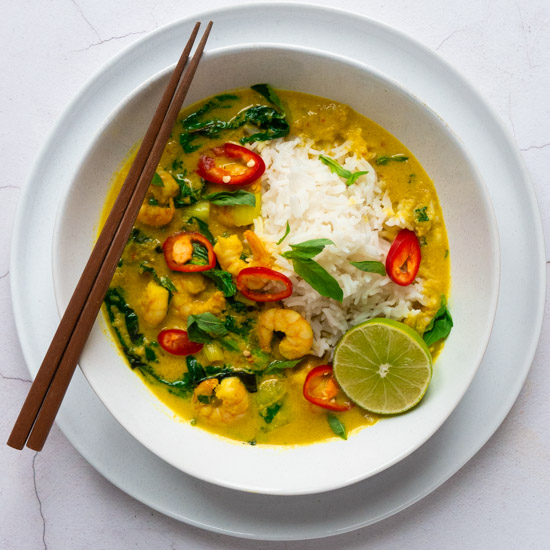
Siem Reap. The name conjures images of ancient temples, majestic sunrises over Angkor Wat, and the whispers of history echoing through stone corridors. But beyond the awe-inspiring architecture lies another, surprisingly vibrant world waiting to be discovered: a thriving and accessible vegan Khmer food scene. Forget what you think you know about Cambodian cuisine; prepare for a culinary awakening that will tantalize your taste buds and nourish your soul. Get ready to explore the best Vegan Khmer Cooking Class Siem Reap has to offer.
Stepping off the plane, the air itself feels different. The humid heat wraps around you, carrying the sweet scent of frangipani mingled with the earthy aroma of wood smoke. The vibrant colors of the markets assault your senses – mountains of mangoes, piles of spices, and the shimmering silk scarves. The melodic sounds of Khmer fill the air, a language both foreign and captivating. This is Siem Reap, and it's ready to enchant you.
My journey began with a home-cooked Khmer meal at The Sarin Family's home in Trapeang Thom Village, just outside Siem Reap. This unassuming village is a world away from the bustling tourist center, offering a glimpse into the authentic Cambodian way of life.
The Sarin Family: A Vegan Embrace
The Sarin family are rice farmers, their lives deeply rooted in the land. For generations, they've cultivated rice paddies, relying on the rhythm of the seasons. However, to supplement their income, they've opened their home to travelers, offering cooking classes and traditional Khmer meals. What makes their story truly special is their embrace of veganism. For them, it's not just a dietary choice; it's a way to practice compassion and live in harmony with nature. They've even tailored their offerings to cater for the best Family-Friendly Siem Reap Vegan Options.
Their commitment to sustainability is inspiring. They grow many of their own vegetables, using traditional farming methods that respect the environment. Learning about their journey and sharing a meal with them was an unforgettable experience.
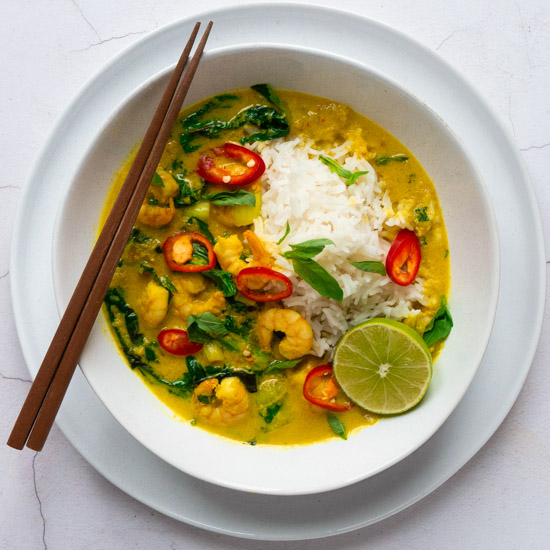
The highlight of the meal was their Amok Tofu. This classic Khmer dish is traditionally made with fish, but the Sarin family has perfected a vegan version that's even more delicious. The creamy coconut milk base is infused with fragrant lemongrass, galangal, and turmeric. The tofu is perfectly cooked, absorbing all the flavors of the sauce. What truly elevates this dish is the addition of crushed peanuts, which add a delightful crunch and nutty flavor, and the fragrant kaffir lime leaves, which impart a citrusy aroma.
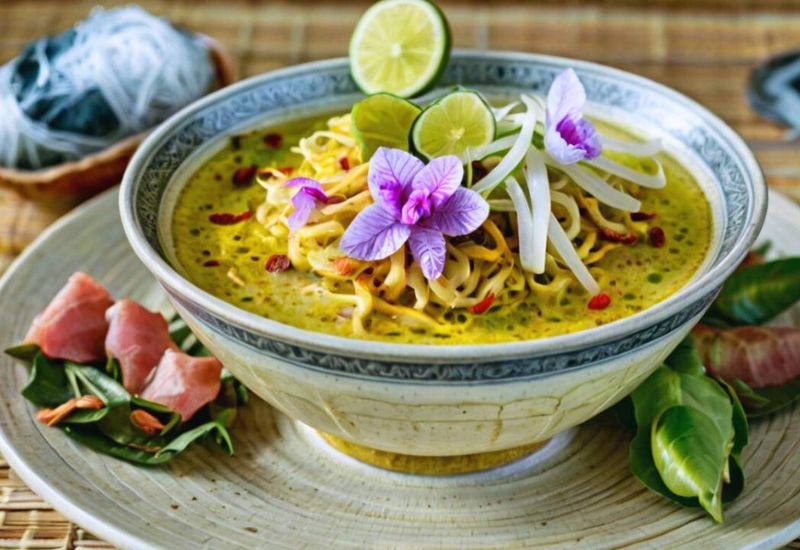
The Khmer Noodles were equally impressive, served with a tangy tamarind-based sauce, subtly sweetened with palm sugar and a hint of chili. Every bite was an explosion of flavors, a testament to the Sarin family's culinary skill and their passion for vegan cooking.
Tranquility at The Green Lotus Farm
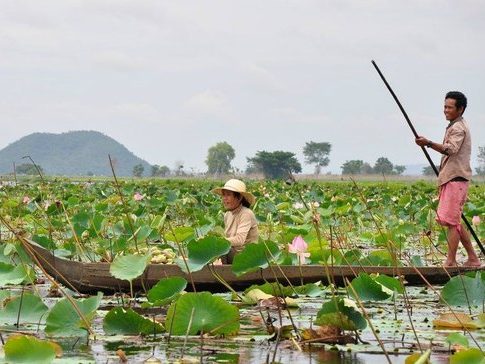
From the warmth of the Sarin family home, I ventured to The Green Lotus Farm, a sanctuary of serenity. Stepping onto the grounds, I was immediately greeted by the sight of expansive lotus ponds, their vibrant pink blossoms rising gracefully above the water.
The Green Lotus Farm is more than just a beautiful place; it's a testament to sustainable agriculture and community empowerment. They cultivate lotus flowers using environmentally friendly practices, ensuring the health of the land and the well-being of the local ecosystem. The farm also provides employment opportunities for local women, empowering them to earn a living and support their families. Learning about the process of lotus cultivation, from planting the seeds to harvesting the flowers, was fascinating. The farm utilizes all parts of the lotus plant – the seeds for snacks, the petals for tea, and the stems for cooking. It's a true example of resourcefulness and sustainability. You can even learn their secrets by taking a Siem Reap Vegan Food Tour.
Sothea Rice Farm: A Legacy of Sustainable Farming
Another highlight of my culinary journey was a cooking class at the Sothea Rice Farm. This family-owned farm has been cultivating rice for three generations. Sothea, the current owner, is a passionate advocate for sustainable agriculture.
Sothea explained how his grandfather grew exclusively white rice, but he has since transitioned to growing brown and black rice using organic farming methods to adapt to the changing climate. He believes that sustainable farming is not only essential for the environment but also for the health of the community. During the cooking class, we learned how to prepare traditional Khmer dishes using the farm's freshly harvested rice and vegetables. The flavors were incredible, a testament to the quality of the ingredients and Sothea's expertise.
Asking for Vegan Food in Khmer
Navigating the local markets is an experience in itself. The sights, sounds, and smells are overwhelming, but in the best way possible. Don't be afraid to dive in and explore, but remember to ask for vegan options. The phrase to use is "Knhom min srei sach te" (I don't eat meat).
Auntie Srey's Khmer Noodles were a particular highlight. Her stall is a local favorite, and for good reason. The noodles are incredibly fresh, and the herbs are bursting with flavor. Near Auntie Srey's stall, I found a vendor selling spring rolls, served with a unique Smoked Paprika Peanut Sauce that added a smoky depth of flavor that complemented the fresh vegetables perfectly.
Apsara Dance and Vegan Delights
To complete my cultural immersion, I attended a traditional Apsara dance performance at Angkor Village Apsara Theatre. The graceful movements and intricate costumes of the dancers were mesmerizing, and the accompanying music was hauntingly beautiful. I recommend booking ahead to secure seating.
What surprised me was the availability of vegan options on the menu. I enjoyed a delicious pumpkin soup, creamy and flavorful, and stir-fried vegetables with jasmine rice, simple yet satisfying. It was a perfect way to end a day of exploring Siem Reap's culinary and cultural treasures.
Vegan Food Tour Siem Reap: Practical Advice
For vegan travelers to Siem Reap, here's some practical advice:
- Learn the phrase "Knhom min srei sach te" (I don't eat meat). This will be invaluable when navigating local markets and restaurants.
- Explore local markets. Many vendors offer vegan options, and you can find fresh fruits, vegetables, and spices.
- Don't be afraid to ask. Most restaurants are willing to accommodate vegan requests.
- Look for vegetarian restaurants. Many vegetarian restaurants offer vegan options or can easily veganize dishes.
- Embrace the opportunity to explore Khmer culture through its food. It's a delicious and rewarding way to connect with the local community.
Vegan-Friendly Restaurants and Cafes in Siem Reap
- Peace Cafe
- Chamkar Vegetarian Restaurant
- Marum
Siem Reap's vegan food scene is a hidden gem, waiting to be discovered. It's a testament to the creativity and resourcefulness of the Khmer people, and it's a delicious and rewarding way to explore this fascinating culture. So, venture beyond Angkor Wat and embark on a culinary awakening that will nourish your body and soul. Don't forget to check for Siem Reap Vegan Accommodations to help you plan your trip.
Watch our short video below to see a glimpse of the surprise that awaits you!
<div style="position: relative; padding-bottom: 56.25%; height: 0; overflow: hidden;">
    <iframe style="position: absolute; top: 0; left: 0; width: 100%; height: 100%; border:0;"
        src="https://www.youtube.com/embed/dQw4w9WgXcQ" allowfullscreen title="Vegan Secret Siem Reap">
    </iframe>
</div>
So, what are you waiting for? Plan your visit to Siem Reap and discover the surprising world of vegan Khmer cuisine. And now, watch the video to get a taste of the magic.
Have you explored the vegan side of Siem Reap? Share your experiences and favorite dishes in the comments below!