Siem Reap's Secret Season: Backpacking Cambodia...
Everyone – and I mean everyone – told me I was crazy. "Siem Reap in July? Are you trying to drown?" they'd ask, visions of monsoons dancing in their eyes. But I'm Aisha Khan, a 25-year-old Londoner with a backpack and a penchant for the unconventional. So, naturally, I booked my ticket. Forget the hordes of dry-season tourists baking under the relentless sun; I was after something different. And let me tell you, Siem Reap in the wet season is a revelation – a vibrant, emerald paradise teeming with life and refreshingly devoid of selfie sticks. Buckle up, because I'm about to spill the tea (or should I say, tuk-tuk ride?) on my Cambodian adventure.
Kampong Phluk: Floating Villages and Flooded Forests
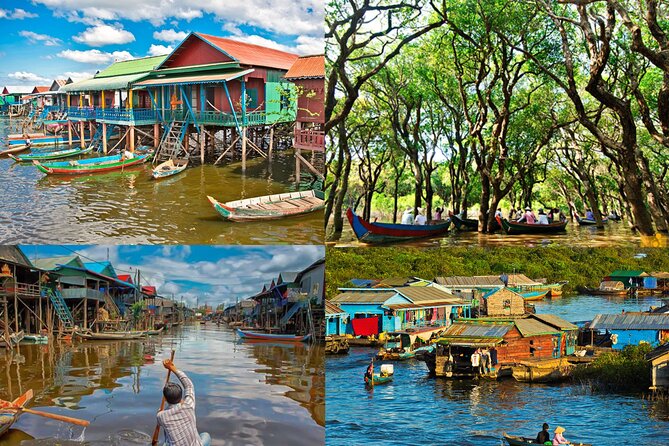
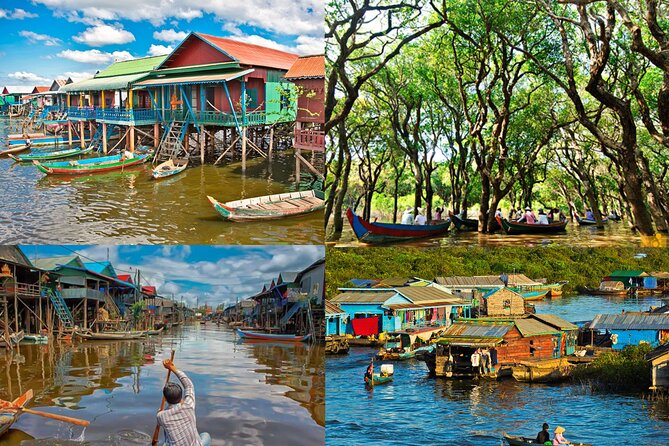
My first adventure took me to Kampong Phluk, a floating village on the Tonle Sap Lake. This wasn't just a touristy photo op; it was a window into a completely different way of life. Picture this: houses perched precariously on stilts, reaching high above the water level (which, during the dry season, is significantly lower!), and flooded forests where trees grow straight out of the lake, their branches draped in emerald green foliage.
The boat ride through the village was surreal. The water was a murky brown, reflecting the often-overcast sky like a distorted mirror. The air hung heavy with humidity, punctuated by the excited squeals of children splashing in the water and the rhythmic thump of hammers as locals repaired their homes. The smell of rain-soaked wood was everywhere, a comforting, earthy aroma.
The locals were incredibly friendly, waving and smiling as we passed. It was a humbling experience, seeing how they've adapted to life on the water.
Beyond the captivating scenery, Kampong Phluk plays a crucial role in the Tonle Sap ecosystem. The flooded forests act as a vital breeding ground for fish, supporting the local communities who rely on fishing for their livelihoods. They also help to filter the water and protect the shoreline from erosion.
Photo Suggestion: Wide shot of the stilted houses reflecting in the water. EXIF Data Suggestion: ISO 200, f/8, 1/250s, 24mm.
Sunrise Serenity: Rice Paddies and Rural Life
Forget the overcrowded Angkor Wat sunrise; I opted for a photography tour focusing on the rice paddies just outside Siem Reap. And boy, am I glad I did! Waking up before dawn was a struggle, but the reward was well worth it.
As the sun peeked over the horizon, the rice paddies transformed into a shimmering sea of green, punctuated by the silhouettes of palm trees. Mist clung to the fields, creating an ethereal atmosphere. The air was cool and crisp, filled with the sounds of the countryside waking up: the chirping of crickets, the distant crowing of roosters, and the gentle rustling of leaves.
The rice paddies were a patchwork of different shades of green, depending on the stage of growth. Farmers were already hard at work, using traditional methods that have been passed down for generations. Their smiles were genuine and welcoming. It was a truly authentic experience, far removed from the hustle and bustle of the tourist hotspots.
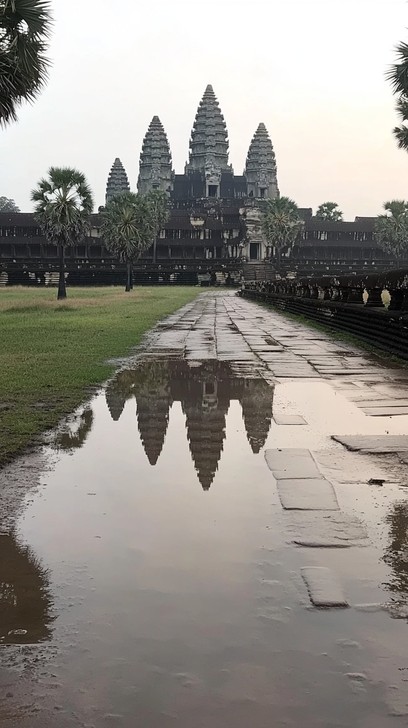
Photo Suggestion: Panoramic shot of the rice paddies at sunrise with a farmer in the distance. EXIF Data Suggestion: ISO 100, f/11, 1/60s, 18mm. Use a graduated neutral density filter to balance the exposure.
Khmer Cuisine: A Culinary Adventure
No trip to Cambodia is complete without diving headfirst into the local cuisine. And what better way to do that than with a traditional Khmer cooking class? I signed up for a class and learned to make three classic dishes: kuy teav, amok trey, and nom ansom chek.
Kuy teav is a delicious noodle soup, perfect for a rainy day. Amok trey is a creamy fish curry made with coconut milk, turmeric, galangal, lemongrass, kaffir lime leaves, and chili paste. Seriously, the aroma alone was enough to make my mouth water! And nom ansom chek is a sweet banana sticky rice cake wrapped in banana leaves – the perfect way to end a meal.
We started by preparing all the ingredients, learning about the different spices and their unique flavors. The aroma of lemongrass and galangal filled the air, mixing with the sweet scent of fresh coconut milk. Then, we got our hands dirty, chopping, stirring, and simmering our way to culinary perfection (or at least, a passable imitation!). I ate several portions of Amok Trey at Lilypop Restaurant, which I HIGHLY recommend. For excellent Kuy Teav, check out Kimsan Soup. Both are budget friendly!
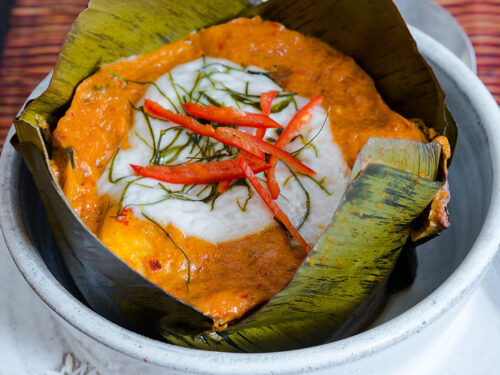
Photo Suggestion: Close-up shot of the ingredients for amok trey laid out on a wooden table. EXIF Data Suggestion: ISO 400, f/2.8, 1/100s, 50mm.
Angkor Wat in the Rain: A Different Kind of Magic
Okay, let's be real, visiting Angkor Wat is a must, rain or shine. But experiencing it during a rainstorm was something truly special. The crowds were significantly smaller, which meant I could explore the temple in relative peace and quiet.
The rain transformed the ancient stones, making them slick and shiny. The dark clouds overhead added a sense of drama, and the reflections in the puddles created stunning photo opportunities. At one point, a flash of lightning illuminated the temple, casting an eerie glow. It was a truly unforgettable experience. The smell of the earth intensified after the rain, adding another layer to the sensory experience.
Photo Suggestion: Wide shot of Angkor Wat with a dramatic sky in the background. EXIF Data Suggestion: ISO 200, f/8, 1/125s, 24mm. Use a waterproof camera cover.
Wet Season Woes and Wins: Tips for Backpackers
Okay, so the wet season isn't all sunshine and rainbows (pun intended!). Here's my hard-earned advice for surviving and thriving in Siem Reap during the rain:
- Overcoming Challenges:
- Mosquitoes: Pack a strong mosquito repellent with DEET. They are relentless!
- Mud: Wear appropriate footwear – think sturdy sandals or waterproof boots. My trusty Tevas were lifesavers.
- Transportation: Tuk-tuks are great, but during heavy rain, opt for a taxi or Grab. You'll stay drier and arrive in style (sort of!).
- Affordable Accommodation: I stayed at "Onederz Hostel Siem Reap" ($6/night) and loved it! It had a great social atmosphere, clean facilities, and a fantastic location. "The Mad Monkey Siem Reap" is another popular option, also around $7-$10 a night.
- Respectful Interactions: Learn a few basic Khmer phrases (like "Soksabay" for hello and "Orkun" for thank you). Dress modestly when visiting temples (shoulders and knees covered). And support local businesses whenever possible.
- Staying Safe and Healthy: Drink bottled water, avoid ice, and be aware of your surroundings. Travel insurance is a must, especially during the wet season.
- Photography in the Rain: Invest in waterproof camera gear or a simple rain cover. Look for covered locations, like the inner corridors of Angkor Wat, to protect your equipment.
Conclusion: Embrace the Unexpected
So, should you visit Siem Reap during the wet season? Absolutely! Yes, you'll get wet. Yes, you'll encounter mosquitoes. But you'll also experience a side of Cambodia that most tourists never see – a vibrant, authentic, and utterly magical wonderland. You'll connect with the local culture on a deeper level, explore ancient temples without the crowds, and witness the beauty of the landscape in its full, verdant glory. So, ditch the dry season dogma and embrace the unexpected. Your Cambodian adventure awaits!
Visit vistalocation.com for more travel inspiration and tips!