Siem Reap Vegan Food: A Delicious Surprise in An...
Before arriving in Siem Reap, Cambodia, I confess, my expectations for vegan food weren't exactly sky-high. I envisioned a land of fish sauce and barbequed meats, leaving a vegan food blogger like myself facing a culinary desert. Let me dramatically declare: I was gloriously wrong! Prepare to have your taste buds tantalized and your travel plans re-evaluated, because Siem Reap is a vegan paradise waiting to be discovered. From traditional Khmer dishes bursting with flavor to innovative plant-based creations, this ancient city offers an abundance of culinary delights that will leave you utterly speechless, and surprisingly satisfied. This is how I ate my way through the ancient city and was surprised to find that Siem Reap is a vegan food paradise, and how you can too.
A Vegan Khmer Cooking Class: Learning From Locals
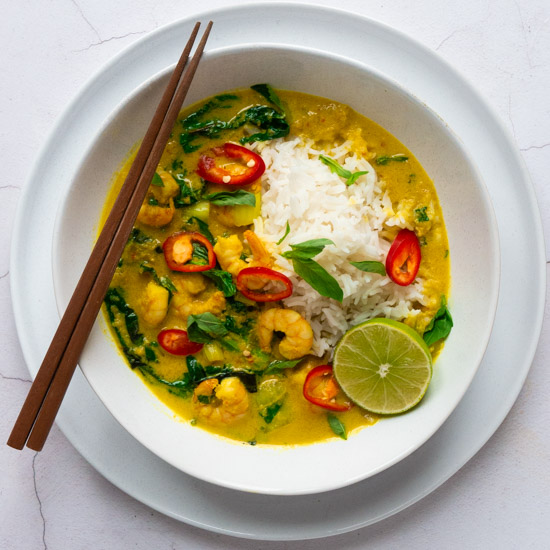
One of the highlights of my trip was a vegan Khmer cooking class held in a traditional home just outside Siem Reap. Hosted by a wonderful family, it was more than just a cooking lesson; it was an immersion into Cambodian culture and a lesson on karmic impact. Their rustic outdoor kitchen, filled with the aroma of lemongrass and galangal, set the scene for an unforgettable experience. The family taught us their unique preparation method for Amok Tofu, a vegan twist on the classic Cambodian curry. We learned to make our own kroeung, the aromatic curry paste, using fresh ingredients like lemongrass, galangal, turmeric, chilies, and kaffir lime leaves. It was eye opening to see the importance of simple, fresh ingredients used to prepare a complex flavourful dish. We stirred the paste with creamy coconut milk. The family shared stories about the Buddhist influence on their eating habits, emphasizing the importance of compassion and mindful consumption, and how being vegan is the ultimate demonstration of this.
Amok Tofu: A Vegan Culinary Revelation
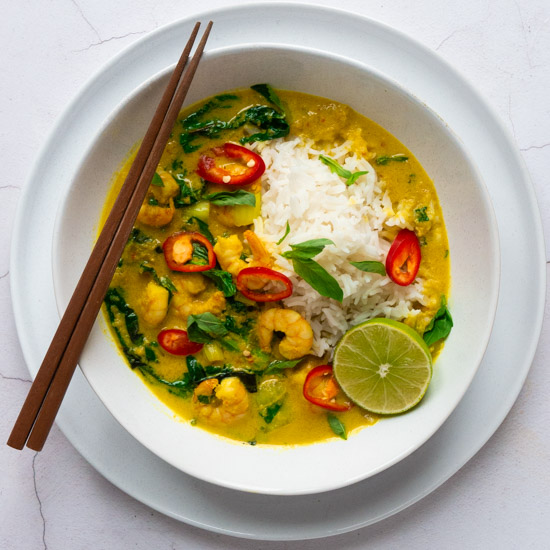
Amok Tofu is a must-try vegan Khmer dish. Traditional Amok is typically made with fish, but this vegan version, crafted with firm tofu, retains all the delicious complexity of the original. The creamy coconut milk base is infused with the vibrant flavors of lemongrass, galangal, and turmeric, creating a rich and aromatic curry. The tofu absorbs the flavors beautifully, offering a satisfyingly savory experience. The rich taste of the curry, paired with the fresh, local ingredients, makes this one of the most flavourful and delicious meals that Cambodia has to offer!
Angkor Night Market Vegan Street Food Adventure
The Angkor Night Market is a sensory explosion of sights, sounds, and smells. Navigating the bustling crowds, I was initially concerned about finding truly vegan options amidst the skewers of meat and fried insects. However, my worries were quickly dispelled. Many vendors offered delicious Khmer Noodles and other plant-based delights. I sampled the most amazing Khmer Noodles (rice noodles with vegetables and a light sauce) from a vendor named "Auntie Mei's Kitchen". Her secret? A homemade sauce, bursting with umami flavor and the freshest ingredients. The fresh vegetables made this a light, flavourful and filling meal. I made sure to ask about cross-contamination. Auntie Mei used a separate wok and fresh oil to ensure my meal was completely vegan, which made me feel relieved and respected as a traveler. The vibrant atmosphere of the market, the friendly vendors, and the incredible food made it a vegan street food adventure I'll never forget.
Khmer Noodles: A Street Food Staple
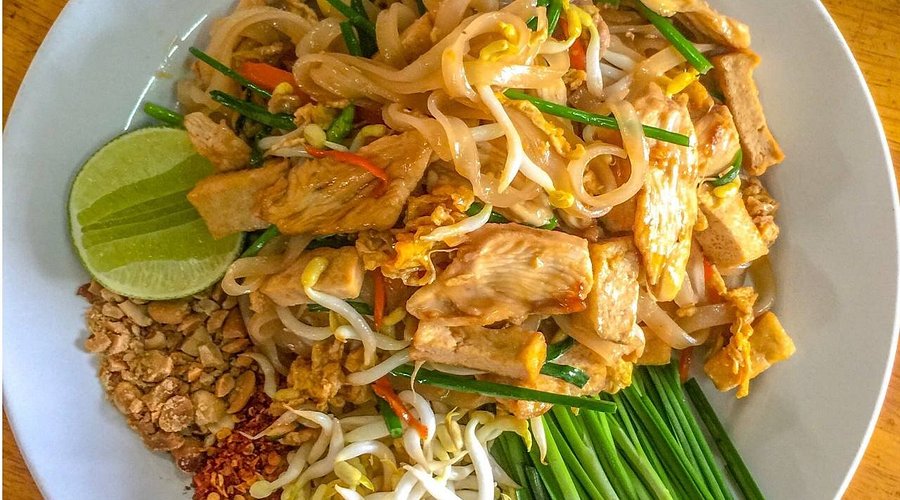
Khmer Noodles are a staple of Cambodian street food, and they're often naturally vegan. These delicate rice noodles are tossed with a medley of fresh vegetables like beansprouts, carrots, and cucumbers, and then drizzled with a light, savory sauce. The best Khmer Noodles I had were from Auntie Mei, mentioned above. The noodles were light, refreshing and incredibly cheap! In the Old Market, I found a small family-run restaurant, "Green Garden," that also served a fantastic version.
Lotus Farm Serenity and Vegan Delights
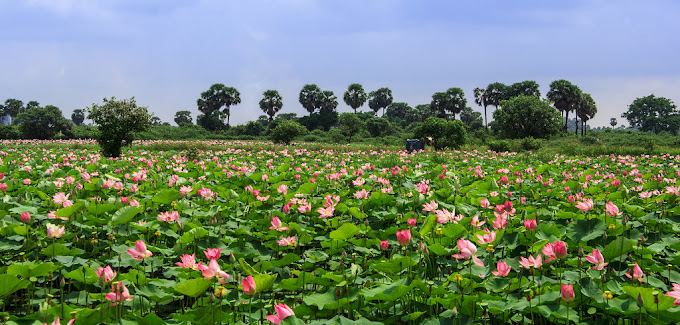
A short drive outside Siem Reap took me to a serene lotus farm. Lotus flowers hold a significant place in Cambodian culture and art, symbolizing purity and enlightenment. Walking through the farm, I learned how every part of the lotus plant is used: the petals for decoration, the seeds and roots for cooking, and the leaves for wrapping food. The attached vegan restaurant offered a variety of delicious dishes featuring lotus ingredients. From lotus root salad to lotus seed stir-fries, the menu was a celebration of this versatile plant. The food was delicious, the location was calming and I highly recommend any traveller to check this out.
Angkor Wat Sunrise & Vegan Breakfast
Waking up before dawn to witness the sunrise over Angkor Wat is an experience that transcends words. As the first rays of sunlight kissed the ancient stones, a wave of awe and wonder washed over me. The sheer scale and intricate detail of the temple complex were breathtaking. I felt connected to centuries of history and spirituality. Once the sun had fully risen, I found a street vendor nearby selling sticky rice with mango, a simple but incredibly satisfying vegan breakfast. The sweetness of the mango perfectly complemented the glutinous rice, providing the perfect fuel for a day of exploring the temples. Alternatively, many vendors offer bowls of fresh fruit – a refreshing and healthy start to your day.
The Ever-Changing Landscape of Local Rice Production
Visiting a local rice farm provided a fascinating glimpse into the agricultural heart of Cambodia. I spoke with a farmer who explained how the land has changed over time, and how he's adapted his farming practices to meet new challenges. Traditionally, farmers relied solely on the monsoon rains to irrigate their fields. However, with increasing climate variability, many have implemented irrigation systems to ensure a consistent water supply. This can be seen in the change of watermills from generations passed, to complex pipelines and pumps. The farmer told a story of his grandfather, who harvested rice purely by hand, but now his children use a tractor to harvest it. He was grateful for the advances in the machinery, which allows for a faster and greater harvest. This ingenuity ensures a more stable and sustainable food supply for the community.
Apsara Dance Performance: Culture and Vegan Cuisine
Attending a traditional Apsara dance performance was a captivating experience. The graceful movements of the dancers, accompanied by traditional music, told stories of Cambodian mythology and history. I was pleasantly surprised to find that the venue offered vegan options, including Fresh Spring Rolls with Peanut Dipping Sauce. It was a perfect way to immerse myself in Cambodian culture while enjoying delicious plant-based food. This cultural performance blends Cambodian history with the local food culture beautifully.
Fresh Spring Rolls with Peanut Dipping Sauce: A Refreshing Treat
Fresh Spring Rolls with Peanut Dipping Sauce are a light and refreshing snack, perfect for the hot Cambodian climate. Delicate rice paper wraps crunchy vegetables like mint, coriander, and lettuce, creating a burst of flavor and texture in every bite. The rich, nutty peanut dipping sauce adds a touch of sweetness and spice, making these spring rolls utterly irresistible.
Navigating the Vegan Scene: Challenges and Triumphs
Finding vegan options in Siem Reap wasn't always effortless. There were moments of uncertainty, especially when trying to decipher menus written only in Khmer. However, the willingness of locals to accommodate my dietary needs was truly heartwarming. Often, simply asking "Ming min sat?" (Do not put meat?) was enough to ensure a delicious vegan meal. I also relied heavily on the HappyCow app to find vegan-friendly restaurants and cafes. One of the biggest joys of my culinary journey was the unexpected discoveries I made along the way – a hidden gem serving the best vegan Lok Lak, a street vendor offering flavorful tofu skewers, or a local family eager to share their vegan recipes.
The Cultural Context: Buddhism and Veganism
Cambodia's predominant religion, Buddhism, plays a significant role in the country's culinary landscape. The Buddhist principles of compassion and non-violence resonate with many Cambodians, leading to a growing awareness of veganism and vegetarianism. While not everyone is vegan, there's a genuine respect for those who choose a plant-based lifestyle. Many restaurants offer vegetarian options, which can often be easily veganized by omitting eggs or dairy.
The Landscape's Influence on Culinary Experiences
Siem Reap's landscape is inextricably linked to its culinary scene. The vast rice paddies that surround the city provide the staple ingredient for many Khmer dishes. The lotus farms offer a unique and sustainable source of food. And the lush jungle, which seems to reclaim the ancient temples, provides a backdrop of natural beauty that enhances every dining experience. Imagine eating flavourful vegan Amok Tofu, whilst looking at the jungle surrounding your table. These elements combine to create a culinary journey that is as visually stunning as it is delicious.
Siem Reap Awaits: A Vegan Food Paradise
Siem Reap shattered my preconceptions about vegan travel in Southeast Asia. It's a city where ancient history meets modern culinary innovation, where traditional Khmer flavors are reimagined in plant-based form, and where the warmth and hospitality of the locals make every meal a memorable experience. So, pack your bags, grab your appetite, and prepare to be amazed by the vegan food scene in Siem Reap.
Tips for Finding Vegan Options in Siem Reap:
- Download the HappyCow app.
- Ask locals for recommendations.
- Learn a few basic Khmer phrases like "Ming min sat?" (Do not put meat?).
- Be open to trying new things.
- Don't be afraid to ask restaurants to modify dishes.
Siem Reap is more than just temples; it's a vegan food PARADISE! Come explore the delicious surprises that await you in this ancient city.