Siem Reap Through a Lens: History, Temples, and...
Siem Reap, Cambodia. The name conjures images of ancient temples shrouded in jungle, the rising sun painting Angkor Wat in hues of gold, and the gentle smiles of the Khmer people. As a history and archaeology enthusiast with a passion for photography, my recent trip to this captivating corner of Southeast Asia was nothing short of a dream realized. Beyond the iconic Angkor Wat, I delved into the intricate details of lesser-known temples, savored the unique flavors of Khmer cuisine, and explored the floating villages of Tonle Sap Lake, all while striving to be a responsible and respectful traveler. This is my journey through Siem Reap, captured through a lens of history, culture, and conscious exploration.
Angkor Archaeological Park
Angkor Wat Sunrise Photography
The alarm blared at an ungodly hour, but the anticipation of witnessing sunrise over Angkor Wat propelled me out of bed. Joining a small photography tour, we arrived at the temple complex under a blanket of stars. As the sky began to lighten, the silhouette of Angkor Wat emerged, its five towers mirroring in the reflection pool before us.
But my focus extended beyond the golden hour glow. I wanted to capture the intricate bas-reliefs that adorn the temple walls, depicting scenes from the Ramayana and Mahabharata. Using a telephoto lens and a steady hand, I documented these ancient narratives etched in stone, each carving telling a story of gods, demons, and epic battles. This temple's Angkor Temples History is as much about its architecture as it is about the narratives it holds.
Discovering Banteay Srei
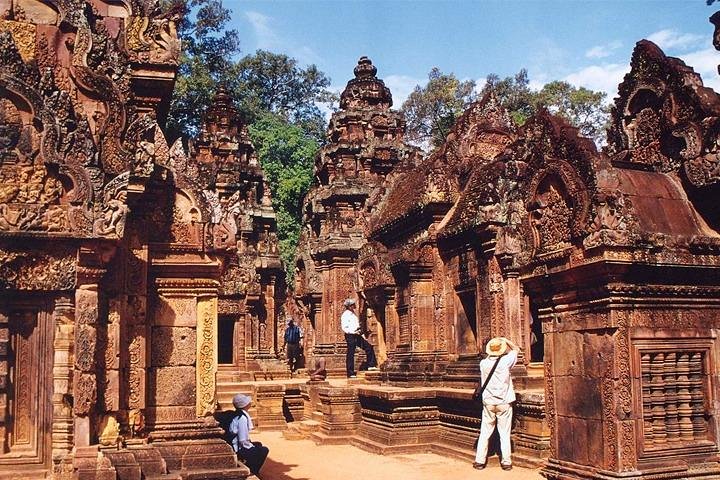
Far from the crowds of Angkor Wat, Banteay Srei, the "Citadel of Women," offered a different kind of magic. This 10th-century temple, constructed of pink sandstone, is renowned for its incredibly detailed and well-preserved carvings. Unlike many of the larger temples dedicated to male deities, Banteay Srei was dedicated to Shiva and Vishnu, and its name suggests it may have been associated with women. The delicate floral motifs, mythological scenes, and intricate depictions of female figures were breathtaking. Getting to see Banteay Srei Temple Carvings up close was a highlight of the trip.
I spent hours wandering through the temple grounds, photographing the intricate details of the lintels and pediments. The pink sandstone glowed warmly in the sunlight, accentuating the beauty of the carvings. The level of detail was astonishing, a testament to the skill and artistry of the Khmer artisans.
Exploring Preah Khan
Preah Khan, meaning "Sacred Sword," is another fascinating temple within the Angkor Archaeological Park. Built in the 12th century by King Jayavarman VII, it served as a temple, city, and royal residence. What sets Preah Khan apart is its labyrinthine structure. Corridors twist and turn, leading to hidden chambers and courtyards. The temple is also a blend of Buddhist and Hindu motifs, reflecting the religious beliefs of the Khmer Empire at the time of its construction. Preah Khan temple history and architectural significance is a testament to the empire's blending of cultures.
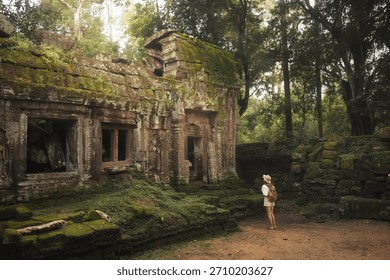
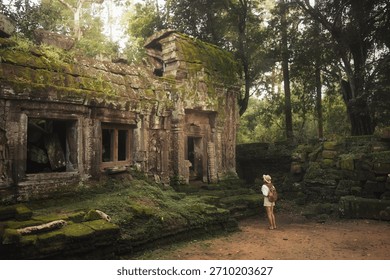
Wandering through Preah Khan felt like stepping back in time. The temple is partially overgrown with jungle, adding to its mysterious and romantic atmosphere. As I explored, I discovered hidden carvings, crumbling walls, and towering trees that had taken root within the temple structure.
Cultural Experiences
Morning Prayers at a Local Buddhist Monastery
Seeking a deeper connection with Cambodian culture, I visited a local Buddhist monastery during morning prayers. The air was filled with the rhythmic chanting of the monks, their voices resonating with a sense of peace and tranquility. I observed the locals making offerings of food and flowers, their faces filled with devotion.
The experience was profoundly moving. It offered a glimpse into the spiritual heart of Cambodia and a reminder of the importance of compassion and mindfulness. Learning how to respectfully photograph Buddhist monks in Cambodia is important, and is achieved through respecting their rituals and asking for consent.
Apsara Dancing: A Story Told Through Movement
While my trip didn't coincide with the Angkor Photo Festival, I did have the opportunity to witness a performance of Apsara dancing, a classical Khmer dance form. The dancers, adorned in elaborate costumes and headdresses, moved with graceful precision. Their movements, though subtle, conveyed a range of emotions and told stories from Khmer mythology.
The Apsara dancers’ intricate hand gestures and captivating facial expressions were mesmerizing. It was like watching a living painting unfold before my eyes, a beautiful representation of Cambodian cultural heritage.
Exploring Khmer Cuisine: A Taste of Cambodia
Cambodian cuisine is a delightful blend of sweet, sour, and savory flavors. During my time in Siem Reap, I made it a point to sample as many local dishes as possible. My Khmer Cuisine Siem Reap Guide would be incomplete without mentioning these culinary delights:
- Amok: This is arguably Cambodia's national dish. It's a creamy coconut curry, typically made with fish, steamed in a banana leaf. The subtle blend of spices and the delicate texture of the fish made it an unforgettable culinary experience.
- Lok Lak: A savory stir-fried beef dish, Lok Lak is a must-try for meat lovers. The beef is marinated in a flavorful sauce and served with rice, lettuce, tomatoes, and a fried egg. I found it particularly delicious when paired with a refreshing Angkor Beer.
- Kuy Teav: This savory noodle soup is a popular breakfast dish in Cambodia. The broth is rich and flavorful, and the noodles are soft and chewy. It is similar to Vietnamese Pho but has its own distinct Cambodian flavor.
A Culinary Adventure at Psah Chas (Old Market)
To truly immerse myself in Khmer cuisine, I ventured into Psah Chas (Old Market) in Siem Reap. The market was a sensory overload, filled with the sights, sounds, and smells of local life. I tried various street food snacks, including fresh spring rolls and grilled meats. While I didn't sample the fried insects (a popular delicacy), I was impressed by the variety of food on offer and the lively atmosphere of the market. The chance of finding authentic Khmer cuisine in Siem Reap is heightened when delving into the local markets.
The Floating Villages of Tonle Sap
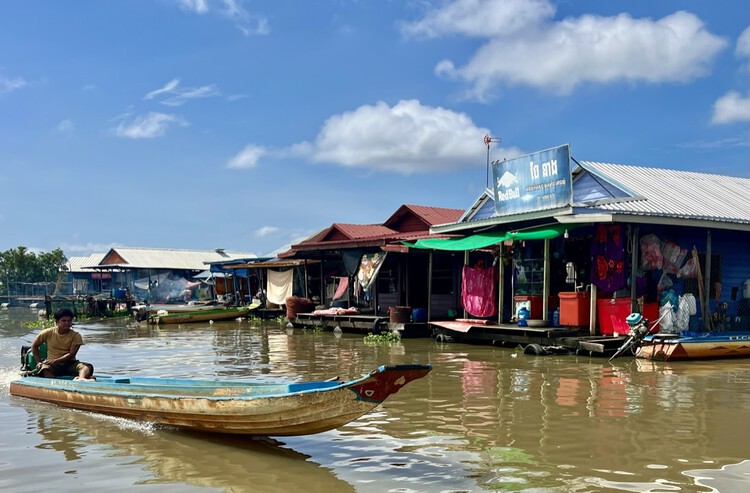
A boat trip on Tonle Sap Lake offered a fascinating glimpse into a unique way of life. The lake is Southeast Asia's largest freshwater lake, and it's home to numerous floating villages. The residents of these villages have adapted to living on the water, building their homes, schools, and even churches on floating platforms. Tonle Sap Lake floating villages present a singular way of life.
Observing the daily lives of the villagers was humbling. They were resourceful, resilient, and welcoming, despite the challenges of living on the water. I was particularly struck by the ingenuity of their floating homes and the vibrant community spirit that permeated the villages. The impact of tourism on Tonle Sap lake environment is significant, so ensure your tour operator respects the environment.
Responsible Travel in Siem Reap
Throughout my trip, I was mindful of the importance of Siem Reap responsible tourism. I made an effort to support local businesses, eat at local restaurants, and purchase souvenirs from local artisans. I also sought out opportunities to support community initiatives, such as visiting a fair-trade craft shop that empowers women in rural communities.
It is important to be respectful of Cambodian culture. Dress modestly when visiting temples, avoid public displays of affection, and be mindful of local customs. By traveling responsibly, we can help ensure that tourism benefits the local community and preserves the cultural heritage of Cambodia. There are many sustainable tourism practices in Siem Reap Cambodia, so take the time to research them.
Ethical Animal Tourism Options
I specifically avoided elephant riding, as many elephant camps in the region do not treat their animals ethically. Instead, I researched and supported an ethical elephant sanctuary that prioritizes animal welfare. These sanctuaries provide a safe and natural environment for rescued elephants, allowing them to live out their lives in peace.
Understanding Conservation Efforts
The Angkor temples are facing numerous threats, including tourism, climate change, and looting. The APSARA Authority, the Cambodian government agency responsible for managing the Angkor Archaeological Park, is working to conserve and protect these ancient treasures. Learning about Angkor Temple Restoration Projects is key to understanding their importance.
Visitors can contribute to conservation efforts by following the rules of the park, avoiding touching or climbing on the temples, and supporting sustainable tourism initiatives.
Siem Reap Photography Tours
For those seeking to capture the beauty of Angkor through a lens, there are numerous Siem Reap Photography Tours available. These tours are led by experienced photographers who can provide guidance on composition, lighting, and technique. I highly recommend joining a photography tour to enhance your skills and discover hidden gems within the Angkor Archaeological Park.
Conclusion
Siem Reap is more than just Angkor Wat. It's a city steeped in history, culture, and natural beauty. From the intricate carvings of Banteay Srei to the floating villages of Tonle Sap Lake, there's something for everyone to discover in this captivating corner of Cambodia. As a history enthusiast and photographer, I was deeply moved by the beauty and resilience of the Khmer people and the enduring legacy of their ancient civilization.
If you're planning a trip to Siem Reap, I encourage you to delve beyond the iconic temples, explore the local culture, and embrace responsible travel practices. You'll be rewarded with an unforgettable experience that will stay with you long after you've returned home.
Ready to embark on your own adventure? Book your private tour today!