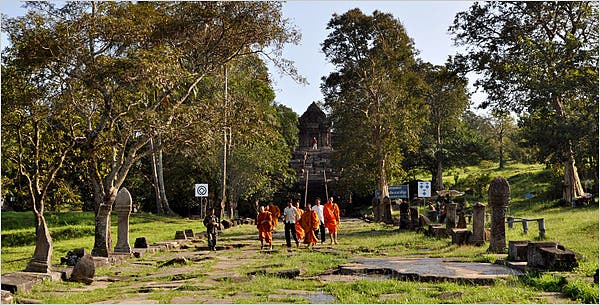
Siem Reap: An Accessible Adventure Among the Te...
For years, the ancient temples of Angkor had beckoned me. The whispers of history, the stunning architecture, and the sheer scale of the complex fueled my wanderlust. As a traveler with limited mobility, I knew planning this trip would require extra research and careful consideration. But the challenge only amplified the excitement. Siem Reap, Cambodia, here I come! What I discovered was a place far more accessible and welcoming than I ever imagined – a true adventure that catered to everyone, regardless of their physical limitations. This is my story of navigating Siem Reap and the temples of Angkor, proving that with a little planning, a truly unforgettable experience awaits.
Bon Om Touk: Experiencing the Water Festival
I was incredibly fortunate to visit Siem Reap during Bon Om Touk, the Water Festival celebrated in November. The atmosphere was electric! The Siem Reap River transformed into a vibrant arena for boat races. Teams from all over Cambodia competed, their colorful boats slicing through the water to the rhythmic beat of drums. The riverbanks were packed with cheering locals and tourists alike, all caught up in the joyous energy.
Even with limited mobility, I found accessible viewing points along the river. The festival organizers had thoughtfully designated areas with ramps and seating, allowing me to fully immerse myself in the spectacle. The cultural significance of Bon Om Touk was palpable - a celebration of the end of the monsoon season and a tribute to the life-giving power of water. It was an unforgettable introduction to Cambodian culture.
Sunrise at Angkor Wat: A Breathtaking Beginning
Of course, no trip to Siem Reap is complete without witnessing the sunrise over Angkor Wat. I knew this would be a popular spot, and accessibility could be tricky. However, arriving early (around 5:00 AM) paid off. I was able to secure a spot near one of the paved pathways along the reflecting pool, offering a clear, unobstructed view.
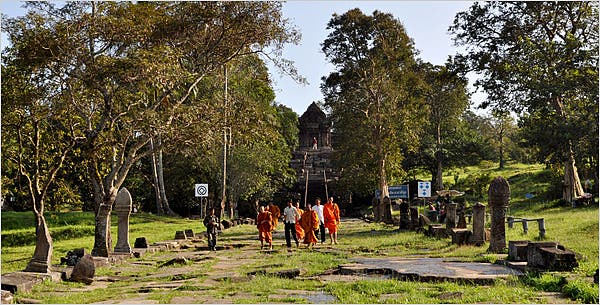
The anticipation in the air was palpable as the sky began to lighten. Slowly, majestically, the silhouette of Angkor Wat emerged from the darkness. Then, the first rays of sunlight painted the temple in hues of gold and pink. It was a truly awe-inspiring moment, and one I’ll cherish forever. The paved pathways made navigating the area manageable, and the sheer beauty of the sunrise made any challenges worthwhile.
Things to Do: Immersing Myself in Khmer Culture
Mastering Khmer Cuisine: An Accessible Cooking Class
I've always believed that food is a gateway to understanding a culture. That's why I signed up for a traditional Khmer cooking class. I was initially concerned about the accessibility of the kitchen setup, but I was pleasantly surprised. The cooking school I chose had adapted their workstations to accommodate individuals with limited mobility. They provided adjustable-height tables and ensured there was ample space to maneuver.
The class focused on two classic dishes: Amok (a creamy coconut curry) and Lok Lak (stir-fried beef). The aroma of lemongrass, galangal, and chili filled the air as we learned to grind spices and prepare the ingredients. The textures were fascinating, from the smooth coconut milk to the tender beef. And the flavors? Absolutely incredible! The combination of sweet, sour, and spicy was a true explosion of taste. Not only did I learn to cook delicious Khmer food, but I also gained a deeper appreciation for the country's culinary heritage.
Biking Through the Temples: A Gentle Exploration
While Angkor Wat is a must-see, the Angkor complex is vast, encompassing countless other temples. To explore beyond the main attraction, I opted for a guided bicycle tour. I chose a tour operator that offered routes designed for accessibility, focusing on relatively flat and paved paths.
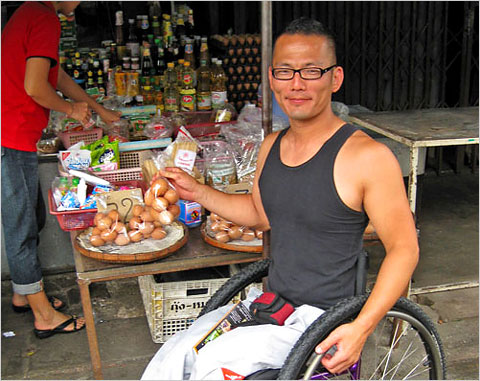
We visited lesser-known gems like Banteay Srei, a pink sandstone temple known for its intricate carvings, and Preah Khan, a sprawling temple complex with a maze of corridors and courtyards. Cycling through the jungle, surrounded by the sounds of nature, was an incredible experience. It allowed me to connect with the landscape on a more intimate level and discover hidden corners of the Angkor complex that I would have otherwise missed. The flat, paved paths made the ride manageable, and the sense of discovery was truly rewarding.
Food: A Culinary Adventure for All Senses
Street Food Delights: Nom Banh Chok
Siem Reap's street food scene is a feast for the senses. One of my favorite discoveries was Nom banh chok, a traditional Khmer noodle soup. The dish consists of fresh rice noodles, a flavorful fish-based broth, and a generous topping of fresh herbs, bean sprouts, and vegetables.
I found several street food vendors with accessible seating options, allowing me to comfortably enjoy this delicious and authentic meal. The combination of textures and flavors was incredible – the soft noodles, the crunchy vegetables, and the rich, aromatic broth. It was a true taste of Cambodia!
Angkor Night Market: A Grilled Meat Extravaganza
The Angkor Night Market is a vibrant hub of activity, offering a wide variety of food, souvenirs, and entertainment. I was particularly drawn to the grilled meat stalls, where vendors prepared skewers of chicken, beef, and pork over open flames.
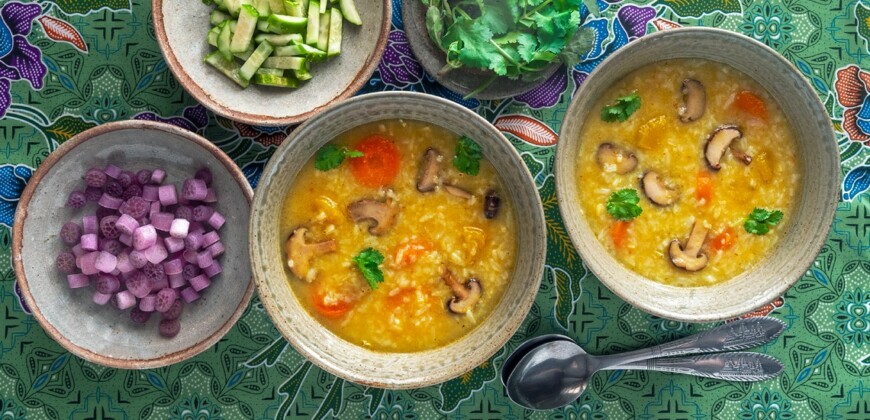
While the market can be crowded, I found vendors who were happy to bring my order to a nearby table, making the experience more accessible. The grilled meats were incredibly flavorful, marinated in a blend of spices and cooked to perfection.
Refreshing Coconut Water: A Tropical Treat
After a day of exploring the temples, there's nothing more refreshing than drinking fresh coconut water straight from the coconut. I found several vendors with easily accessible stalls offering this delicious and hydrating treat. Sipping the cool, sweet water while soaking in the sights and sounds of Siem Reap was the perfect way to end the day.
Landscape: Where History and Nature Intertwine
The Jungle's Embrace: Temples Reclaimed by Nature
One of the most striking aspects of the Angkor complex is the way the jungle has intertwined with the ancient temples. Towering trees, particularly strangler figs, have grown over the walls, their roots snaking through the stone. The humid air, filled with the sounds of birds and insects, creates a truly immersive experience. Walking through these temples, you feel as though you've stepped back in time, witnessing the power of nature reclaiming its territory. This juxtaposition of nature and ancient architecture is both beautiful and awe-inspiring.
Tonle Sap Lake: Life on the Water
A visit to Tonle Sap Lake, Southeast Asia's largest freshwater lake, is a must-do when in Siem Reap. The floating villages, where entire communities live on the water, offer a unique glimpse into local life.
I made sure to book a boat tour with a company that offered wheelchair-accessible boats. This allowed me to comfortably explore the lake and observe the daily routines of the villagers. Seeing homes, schools, and even markets floating on the water was an incredible experience. It was a reminder of the resourcefulness and adaptability of the human spirit.
Accessibility Details: Planning Your Accessible Adventure
- Angkor Complex: While not every temple is fully accessible, many have ramps and paved pathways that allow visitors with limited mobility to explore the main areas. Angkor Wat, Angkor Thom (including the Bayon temple), and parts of Ta Prohm are relatively accessible.
- Transportation: Tuk-tuks are a common mode of transportation in Siem Reap. Look for tuk-tuks with ramps or inquire about designated wheelchair-accessible taxis.
- Accommodation: Several hotels in Siem Reap cater to travelers with limited mobility.
- Park Hyatt Siem Reap: Offers accessible rooms with roll-in showers, grab bars, and pool lifts. Contact: +855 63 211 234
- Raffles Grand Hotel d'Angkor: Features accessible rooms and public areas. Contact: +855 63 963 888
- Sokha Siem Reap Resort & Convention Center: Provides accessible rooms and facilities. Contact: +855 63 969 111
Cultural Sensitivity and Ethical Considerations
When visiting the temples, it's important to dress respectfully, covering your shoulders and knees. Be mindful of local customs and avoid actions that could be considered disrespectful. Support local businesses that prioritize fair labor practices and contribute to the community's well-being. Engage with locals respectfully and be open to learning about their culture.
FAQ: Addressing Your Accessibility Concerns
- Are wheelchair rentals available in Siem Reap? Where can I rent one? Yes, wheelchair rentals are available. You can find them at Siem Reap Wheelchair Rental (+855 12 345 678) and some hotels may offer rentals.
- Are there accessible restrooms at the major temples? Accessible restrooms are available at Angkor Wat and some of the larger temples, but their condition can vary. It's always a good idea to carry your own supplies.
- Are there any tour operators that specialize in accessible tours of Angkor? Yes, several tour operators specialize in accessible tours. Contact Angkor Disabled Guide (+855 98 765 432) or inquire at your hotel for recommendations.
- What is the best time of year to visit Siem Reap in terms of weather and accessibility? The dry season (November to April) is generally the best time to visit, as the weather is cooler and drier, making it easier to navigate the temples.
Conclusion: An Accessible Adventure Awaits
My trip to Siem Reap was an incredible experience. It was a testament to the fact that travel is possible for everyone, regardless of their physical limitations. With careful planning and a willingness to embrace the unknown, I was able to explore the ancient temples of Angkor, immerse myself in Khmer culture, and create memories that will last a lifetime. Siem Reap is a truly accessible and rewarding travel destination, and I encourage you to plan your own adventure!
Ready to experience the magic of Siem Reap? Share this post and start planning your accessible adventure today!