Shetland Birdwatching Tour: Professor Ainsworth'...
Hmph, another year, another win. As if there was any doubt Hermaness National Nature Reserve, under my expert guidance, would secure the "Best Birding Spot" award again this year. For those unacquainted, the Shetland Islands, a remote archipelago north of Scotland, are a veritable paradise for birdwatchers. The unique blend of dramatic coastlines, rolling moorland, and a strategic location on migratory routes makes it a haven for a diverse array of avian species. Prepare to be initiated into the wonders of Shetland, as only I, Professor Eleanor Ainsworth, can convey them.
Professor Ainsworth's Top Picks: Birdwatching Locations in Shetland
The Shetland Islands offer a multitude of locations for birdwatching, each with its own unique charm and avian residents. However, some are simply superior, offering a concentration of birdlife that even the most novice enthusiast couldn't fail to appreciate – though I daresay, some would still manage.
Hermaness National Nature Reserve: A Symphony of Seabirds
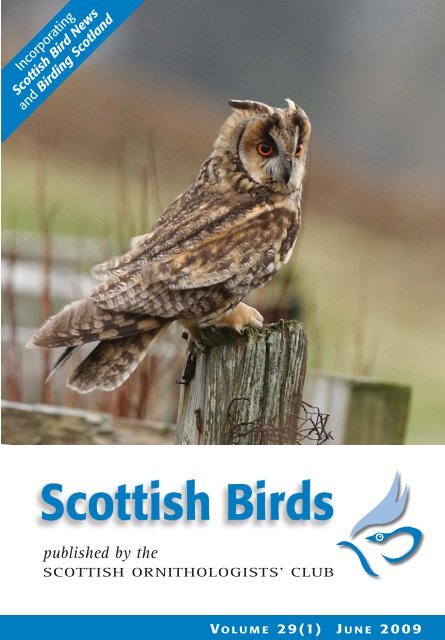
As the (clearly justified) recipient of the "Best Birding Spot" award, Hermaness National Nature Reserve is, without question, the crown jewel of Shetland birding. Its dramatic cliffs, sculpted by the relentless North Sea, are home to a cacophony of seabirds. Imagine, if you will, hundreds of thousands of puffins, gannets, and great skuas (or bonxies, as the locals call them) jostling for space on the precipitous ledges. The density of the bird population is astounding, a veritable avian metropolis perched on the edge of the world.
Navigating the cliff edges can be… stimulating, especially in windy conditions. My secret to stability? A sturdy walking stick – preferably one crafted from a robust hardwood – and a lead-lined hat. One can never be too careful when dealing with the unpredictable Shetland weather, or, indeed, unpredictable guano. The Hermaness cliffs are home to the largest Northern gannet colony in the world, with a recent 2023 estimate of approximately 60,000 pairs.
Sumburgh Head: History and Seabird Spectacle
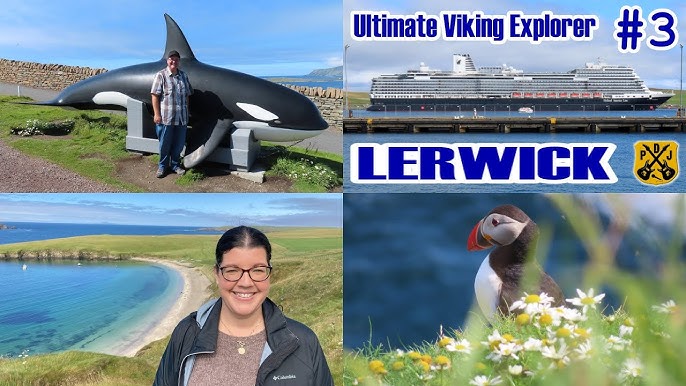
Sumburgh Head, with its historic lighthouse, offers another exceptional vantage point for observing Shetland's seabird colonies. The cliffs here are less imposing than those at Hermaness, making it slightly more accessible for those… less surefooted individuals. However, the birdlife is no less impressive. Puffins, guillemots, razorbills, fulmars, and kittiwakes all nest here in abundance, creating a vibrant tapestry of feathers and calls. From Sumburgh Head, one can enjoy excellent views of the birds both on the cliffs and soaring overhead.
Mousa Broch: A Nocturnal Adventure
For the truly dedicated (and patient) birdwatcher, a nocturnal trip to Mousa Broch is an absolute must. This remarkably well-preserved Iron Age broch is an ideal location for spotting European storm-petrels. These elusive seabirds are only seen at night, when they come ashore to breed in the crevices of the ancient structure. A guided nocturnal tour is essential, not only for safety but also to maximize your chances of encountering these fascinating creatures. The broch is the best preserved Iron Age broch in the world.
The Shetland Nature Festival: A Gathering of Ornithological Minds (and Enthusiasts)
The Shetland Nature Festival is an annual highlight for anyone with an interest in the natural world, and birds in particular. The festival offers a diverse program of talks, workshops, and field trips, catering to a wide range of interests and skill levels.
I, of course, presented my research on "The Impact of Climate Change on Seabird Populations," a subject of vital importance in these increasingly precarious times. The audience was, shall we say, captivated. I noticed Dr. Magnus Erlendsson also gave a talk, his being on "Identifying Waders by Call," though I suspect many attendees found that more challenging than they anticipated. I, naturally, found the content elementary.
Exploring Shetland by Sea: A Puffin Spotting Boat Trip
For a truly unforgettable experience, I highly recommend a puffin spotting boat tour with Shetland Seabird Tours. Their tours offer a fantastic opportunity to get up close and personal with these charismatic seabirds, as well as other marine wildlife. In summer months, you can expect to see many puffins on these tours. Their dedication to conservation is commendable, particularly their work on reducing plastic pollution in the ocean to protect seabird habitats. Also, one cannot miss the vibrant orange paint job of their boats – an excellent safety feature, I must admit. It should be mentioned that Shetland puffin spotting boat trip provide unparalleled views of these beautiful birds.
Taste of Shetland: Culinary Delights
No trip to Shetland is complete without sampling the local cuisine.
At The Dowry, a charming restaurant in Lerwick, I indulged in fresh Shetland mussels steamed in white wine and garlic. A delightful dish, though I suspect the chef could have used a touch more garlic – one can never have too much, in my opinion. Furthermore, the traditional Shetland herring is worth sampling, whether it be pickled, smoked, or grilled. And to wash it all down, I recommend a locally brewed Lerwick IPA from the Valhalla Brewery. Its hoppy flavor profile is surprisingly refreshing, even for a woman of my refined tastes.
Shetland Islands Wildlife Photography: Capturing the Essence of the Northern Isles
The Shetland Islands provide an incredible opportunity for wildlife photography, especially bird photography. The dramatic landscapes and abundant birdlife offer endless possibilities for capturing stunning images. To get the best shot of the best birding spots Shetland Islands, always bring the right equipment.
Shetland's Dramatic Landscapes: A Feast for the Eyes
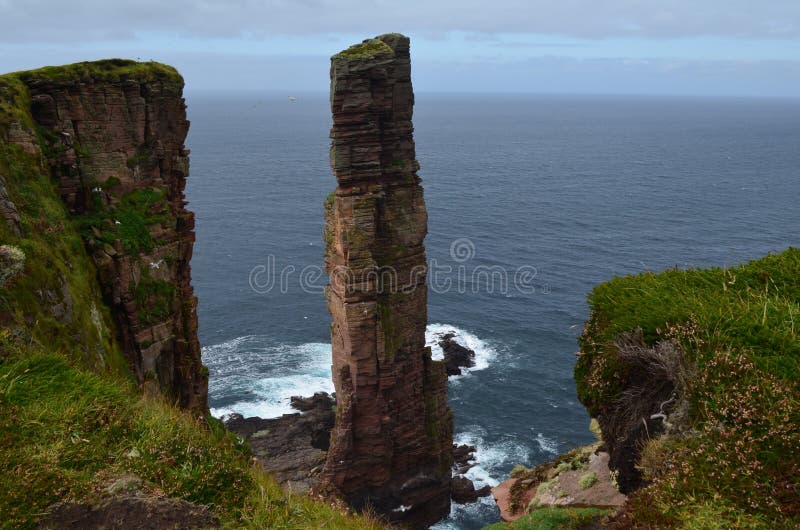
The Old Red Sandstone cliffs of Eshaness are a geological marvel, their dramatic formations sculpted by millennia of wind and waves. The machair grasslands along the coast provide a vital breeding ground for wading birds, offering a vibrant splash of color amidst the rugged terrain. It is impossible to visit the Shetland Islands without being impressed by their spectacular, raw beauty.
Of course, coastal erosion due to climate change is a growing concern, and it is imperative that we adopt sustainable tourism practices to protect these fragile ecosystems for future generations. The impact of Shetland Geography & Climate cannot be understated.
Professor Ainsworth Goes Viral: An Unexpected Encounter
Ah, yes, the incident. It appears my dedication to ornithological discourse was… interrupted, shall we say, during a recent filming session. A video, taken in bright, overcast conditions at the edge of the Hermaness cliffs, has inexplicably gone viral. The video starts in medias res with a shaky, zoomed-in shot of my tweed-clad bottom as I awkwardly fumble with my microphone.
While recording a piece to camera about the importance of conservation, a rare Eurasian wryneck unexpectedly landed on my head. Suddenly, flapping! The video captures my startled reaction – a dramatic close-up, I'm told – a brief struggle, and the wryneck flying off. The punchline? Me brushing bird droppings off my tweed suit with a disgusted look. It was all captured in cinematic 4K, no less, with handheld shaky camera work to maximize the… entertainment value.
The indignity! However, if it raises awareness of the importance of conservation, I suppose it was not entirely in vain. And on that note, I am, of course, available for corporate sponsorships. Tweed manufacturers, in particular, are encouraged to contact my agent. All jokes aside, it is vital to take ethical birdwatching practices seriously.
Shetland Birdwatching Tour: Final Thoughts
The Shetland Islands are a truly special place, offering unparalleled opportunities for birdwatching and wildlife encounters. Visit responsibly, support local conservation efforts, and remember to pack a sturdy walking stick (and perhaps a lead-lined hat). You will want to book a Shetland birdwatching tour as soon as possible, so you can see all of these amazing sites and more. And perhaps, if you're lucky, you might even spot a wryneck… preferably not on your head.