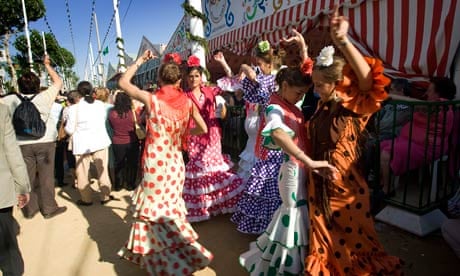
Seville Through a Lens: Chasing the Golden Light...
Seville. The name itself conjures images of sun-drenched plazas, the rhythmic strumming of a guitar, and the intoxicating scent of orange blossoms. But beyond the postcard-perfect scenery lies a city bathed in a unique, almost palpable golden light. This light, a warm and inviting hue, has the power to transform even the most familiar scenes into breathtaking photographic opportunities. As a seasoned travel photographer, I've chased light across the globe, and Seville's golden glow is among the most captivating I've encountered. My recent trip was timed specifically to capture the city during two of its most visually stunning events: the Feria de Abril and Semana Santa. The anticipation of documenting these distinct celebrations, each a world unto itself, was immense. Join me as I share my experience capturing the essence of Seville through my lens, offering tips and insights to help you capture its beauty too.
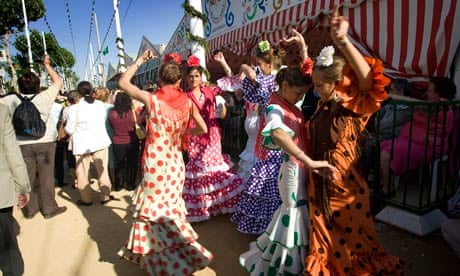
Feria de Abril: A Kaleidoscope of Colour
The Feria de Abril, or April Fair, is an explosion of Andalusian culture. For a week, the city transforms into a vibrant tapestry of flamenco dresses, horse-drawn carriages adorned with flowers, and the lively atmosphere of the casetas (tents), each a private party in full swing. Photographing the Feria is a sensory overload in the best possible way. The sheer volume of visual information can be overwhelming, but that's also what makes it so rewarding.
One of the biggest challenges is the dynamic environment. People are constantly moving, the light inside the casetas can be dim, and the action is non-stop. To capture those fleeting, candid moments, a fast lens is your best friend. I primarily used a 50mm f/1.8, allowing me to shoot with a shallow depth of field and isolate my subjects amidst the chaos. Don't be afraid to bump up the ISO to compensate for the low light; I often found myself shooting at ISO 800 or even 1600 inside the casetas. For wider shots, capturing the overall atmosphere, a 24-70mm lens at ISO 400 and f/2.8 or higher proved invaluable.
The best times to photograph the Feria are undoubtedly in the early evening, when the lanterns begin to illuminate the fairgrounds, casting a magical glow over everything. The midday horse parade is another must-see, offering a chance to capture the elegance and beauty of the horses and riders.
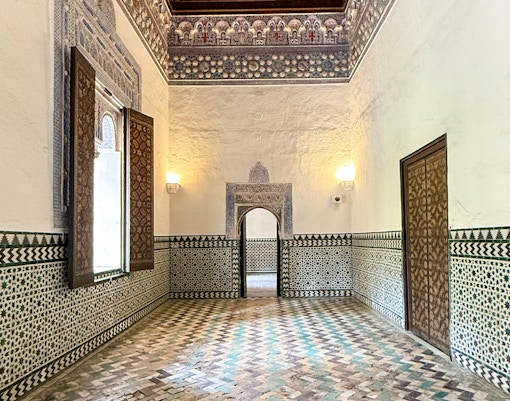
Semana Santa: A Tapestry of Faith and Tradition
In stark contrast to the joyous exuberance of the Feria, Semana Santa, or Holy Week, is a time of solemn processions and intense religious devotion. The streets of Seville become a stage for elaborate floats (pasos) depicting scenes from the Passion of Christ, carried by teams of bearers and accompanied by penitents dressed in traditional robes and conical hats. The atmosphere is thick with incense and the sound of mournful music.
Photographing Semana Santa requires patience, respect, and a keen eye for detail. The processions move slowly, providing ample opportunity to compose your shots, but securing a good vantage point is crucial. Arrive early to stake out your spot along the procession route. A telephoto lens, such as a 70-200mm, is essential for isolating details and capturing the emotion on the faces of the penitents. Shooting from a low angle can also emphasize the imposing size and grandeur of the pasos.
Consider shooting in black and white to emphasize the drama and solemnity of the events. The textures of the robes, the intricate details of the floats, and the raw emotion on people's faces all lend themselves beautifully to monochrome photography. I found that an ISO of 800 and f/4 allowed me to capture the necessary details while maintaining a reasonable shutter speed.
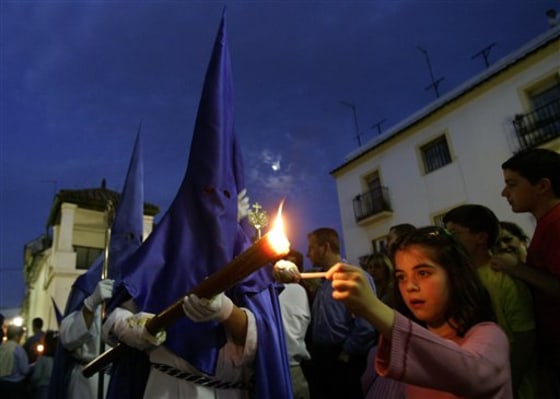
Architectural Photography Tour: Unveiling Seville's Hidden Gems
Beyond the festivals, Seville boasts a rich architectural heritage, a blend of Moorish, Gothic, and Renaissance styles. Consider joining a guided architectural photography tour to learn from local experts and discover the city's hidden gems. These tours often provide invaluable insights into the history and design of the buildings, as well as tips for capturing their unique beauty.
Alcázar of Seville: A Moorish Masterpiece
The Alcázar of Seville, a UNESCO World Heritage site, is a must-see for any photographer. Its intricate tilework, Moorish arches, and lush gardens offer endless opportunities for stunning images. A wide-angle lens, such as a 16-35mm, is essential for capturing the scale and grandeur of the palace. Visit during the early morning to avoid the crowds and take advantage of the soft, natural light. I recommend using ISO 200, f/8 and a tripod to ensure sharp images. The dynamic range between the bright courtyards and the dark interiors can be challenging, so consider using HDR techniques to balance the exposure.
Plaza de España: A Sunset Spectacle
Plaza de España is another architectural gem, a sprawling complex built for the Ibero-American Exposition of 1929. The best time to photograph the Plaza is at sunset, when the warm light bathes the buildings in a golden glow. A polarizing filter can help to reduce glare on the water features and enhance the colours.
Flamenco in Triana: Capturing the Soul of Andalusia
No trip to Seville is complete without experiencing a flamenco show in the Triana neighborhood, the traditional heart of flamenco. The passion and energy of the dancers and musicians are infectious, and photographing the performance is a thrilling challenge.
Low-light conditions are the norm, so a fast lens is crucial. I used a 35mm f/1.4, allowing me to shoot at a relatively low ISO while still capturing sharp images. Focus on capturing the emotion in the dancers' faces and the movement of their bodies. Don't be afraid to experiment with slow shutter speeds to create a sense of motion blur.
Food Photography: A Culinary Journey
Seville's culinary scene is as vibrant and diverse as its culture, offering plenty of opportunities for mouthwatering food photography.
Tapas Crawl in Alameda de Hércules: A Feast for the Eyes
Embark on a tapas crawl in Alameda de Hércules, capturing the vibrant colours and textures of the dishes. Use natural light whenever possible, and try to capture the steam rising from a freshly prepared plate.
Churros con Chocolate: A Sweet Temptation
Indulge in churros con chocolate at a traditional cafe, capturing the contrast between the dark chocolate and the golden-brown churros. A shallow depth of field can help to isolate the subject and create a more appealing image. I'd suggest specific camera settings such as ISO 100, f/2 and a diffused flash to capture the details and textures.
Guadalquivir River at Dusk: Reflections of a City
The Guadalquivir River offers a unique perspective on Seville, especially at dusk. Capture the reflections of the city skyline in the water, creating a smooth, ethereal effect by using a tripod and a slow shutter speed. ND filters can further lengthen the exposure and capture more light. A 24-70mm lens at 35mm, ISO 100 and f/11 should help maximize the image's sharpness.
Seville is a city that ignites the senses, and its golden light is the spark that sets it all ablaze. It’s a photographer's paradise, offering an endless array of subjects and opportunities. So, pack your camera, embrace the challenge, and prepare to be captivated by the Andalusian charm.
Visit vistalocation.com today to plan your Seville adventure and capture its beauty for yourself!