Seville in Spring: A Historian's Delightful Deto...
Ah, Seville! Even now, weeks after my return, the scent of orange blossoms seems to linger in my study, a fragrant reminder of my recent springtime sojourn. As a retired history professor, I've travelled to many corners of the globe, but Seville, particularly in April, holds a unique charm. It's a city where the past isn't just remembered; it's vibrantly alive, woven into the very fabric of daily life. This isn't merely a travelogue; it’s a historian's perspective, a journey through layers of culture and time. I hope to share my insights and experiences visiting Seville for history lovers.
Feria de Abril: A Spectacle of Tradition and Joy
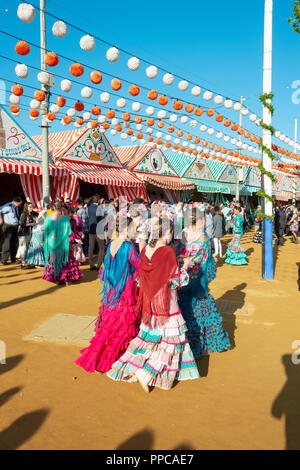
My visit coincided with the Feria de Abril, Seville’s famed April Fair, a week-long celebration that truly immerses you in the city’s vibrant culture. Imagine a sea of intricate flamenco dresses, each a unique masterpiece of color and design. The women, adorned with flowers in their hair and graceful shawls, embody the spirit of the Feria. The air crackles with the sounds of lively music, mostly sevillanas, a type of folk music and dance that’s distinct from flamenco, although closely related.
The heart of the Feria is the casetas, private tents belonging to families, groups of friends, or organizations. While many are private, some are open to the public, offering a glimpse into the social fabric of Seville. Within these tents, laughter, conversation, and the clinking of glasses fill the air. Speaking of which, the traditional drink of the Feria is sherry, particularly fino or manzanilla, a crisp, dry variety that perfectly complements the festive atmosphere.
What to Wear Feria de Abril: Historical Context
Traditionally, women wear flamenco dresses, also known as trajes de gitana (gypsy dresses), a custom rooted in the working-class women selling livestock at the original agricultural fair in 1847. Over time, these practical dresses evolved into elaborate displays of Andalusian fashion, each representing a unique regional identity. Understanding this history adds depth to the experience.
The Alcázar of Seville: A Mudéjar Masterpiece
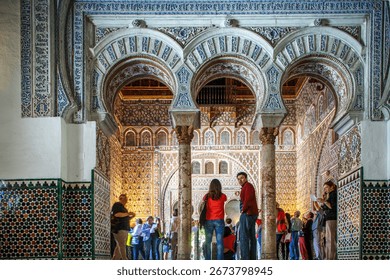
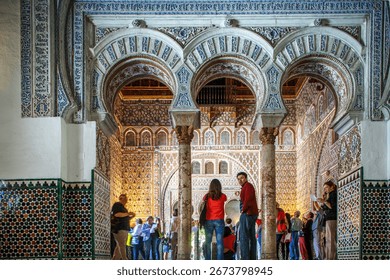
A visit to Seville is incomplete without exploring the Alcázar of Seville, a royal palace that showcases the breathtaking beauty of Mudéjar architecture. This unique style blends Christian and Islamic influences, a testament to the region’s complex history. I opted for a guided tour specifically focused on the historical tilework.
Seville Alcázar Tilework Mudéjar History Guide
Our guide expertly explained how the geometric patterns, calligraphy, and vibrant colors of the tiles reflect the Moorish influences that permeated the Iberian Peninsula for centuries. Learning about the techniques used to create these intricate designs and their historical context added immeasurably to my appreciation of the Alcázar's artistry. The stories behind the symbols and motifs, their evolution over time, and the blending of cultures all contributed to a richer understanding of this magnificent palace.
Tablao El Arenal: An Evening of Flamenco Passion
To truly experience the soul of Seville, one must witness a traditional flamenco show. I chose Tablao El Arenal in the Triana neighborhood, known for its deep flamenco roots. The performance was an explosion of passion, artistry, and raw emotion. The guitarist’s nimble fingers danced across the strings, the singer’s voice poured out tales of love and loss, and the dancers, with their intricate footwork and fiery expressions, captivated the audience.
The history of Flamenco music is just as captivating as the dance itself. Its origins trace back to the marginalized communities of Andalusia, blending influences from Moorish, Jewish, and Roma cultures. This art form, born from struggle and resilience, has become a symbol of Spanish identity.
Seville's Tapas Culture: A Culinary Journey
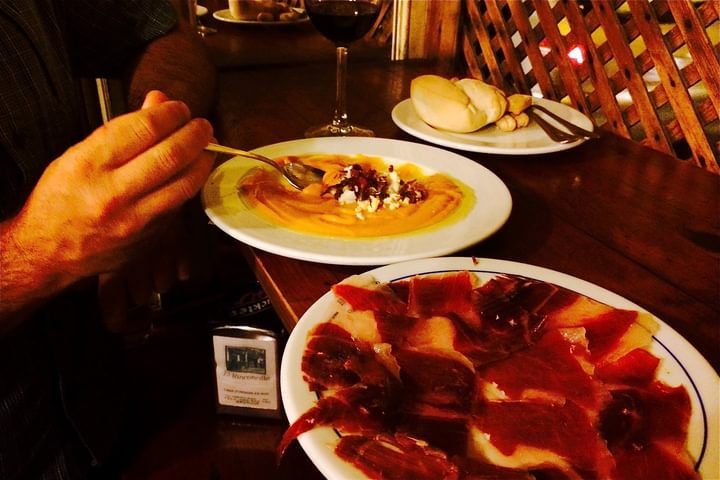
No trip to Seville is complete without indulging in its renowned tapas culture. These small plates offer a delicious way to sample a variety of local flavors. During my visit, I particularly enjoyed jamón ibérico, the melt-in-your-mouth cured ham; salmorejo, a chilled tomato soup that's a refreshing delight; and tortilla española, the classic Spanish omelet.
Bodega Santa Cruz Las Columnas: A Tapas Institution
I highly recommend a visit to Bodega Santa Cruz Las Columnas, a traditional tapas bar with a lively atmosphere. The bar is always bustling, and the walls are adorned with historical photographs and memorabilia. The quality of the food and drinks is exceptional, and the experience offers a true taste of Seville's culinary heritage.
Seville Tapas Historical Significance
The tradition of tapas has several origin stories, one being that bartenders would cover glasses of sherry with a slice of bread or ham (tapa means "lid") to keep flies out. Over time, these lids evolved into elaborate snacks, eventually becoming the diverse and delicious tapas we know today. Exploring the culinary landscape of Seville also allows you to explore its history.
Plaza de España: A Celebration of Spanish Provinces
The Plaza de España is an architectural marvel, built for the Ibero-American Exposition of 1929. Its grandeur and scale are truly impressive. However, what struck me most were the ceramic benches, each representing a different province of Spain.
Walking around the plaza and admiring the detailed artwork on each bench offered a fascinating glimpse into the diverse cultures and histories of Spain’s regions. It's a visual representation of the country’s unity in diversity, a concept that resonated deeply with me. Each bench tells a story, depicting historical events, local traditions, and iconic landmarks of its respective province.
The Scent of Seville: Orange Blossoms in April
Perhaps the most pervasive memory of my trip is the scent of orange blossoms. In April, Seville is awash in the sweet, intoxicating fragrance of these delicate white flowers. They line the streets, fill the parks, and perfume the air, creating an unforgettable sensory experience.
Did You Know?
Did you know that Seville was once one of the most important ports for trade with the Americas, making it a vital hub of commerce and cultural exchange? This pivotal role shaped the city’s architecture, culture, and economy, leaving an indelible mark on its identity. The wealth generated from this trade funded the construction of many of Seville's iconic landmarks, solidifying its status as a major European power.
My time in Seville was more than just a vacation; it was an immersion into history, culture, and the sheer joy of life. From the vibrant Feria de Abril to the serene beauty of the Alcázar, Seville offers a captivating blend of past and present. If you're a history enthusiast looking for a destination that will awaken your senses and ignite your imagination, Seville in spring is an absolute must. Start planning your own delightful detour today!