Seville: A Journey Through History, Passion, and...
Seville, the vibrant capital of Andalusia, is more than just a city; it's an experience. From its sun-drenched plazas to its soulful flamenco rhythms, Seville captivates with its unique blend of history, culture, and undeniable charm. My recent four-day adventure offered an intimate glimpse into the heart of this captivating city, revealing not just its famous landmarks but also its hidden gems and authentic experiences. This Seville travel guide will walk you through my itinerary, providing actionable recommendations to help you explore Seville like a local and create your own unforgettable journey. Get ready to immerse yourself in the passion and beauty of Seville!
Day 1: Immersing in History and Flavors
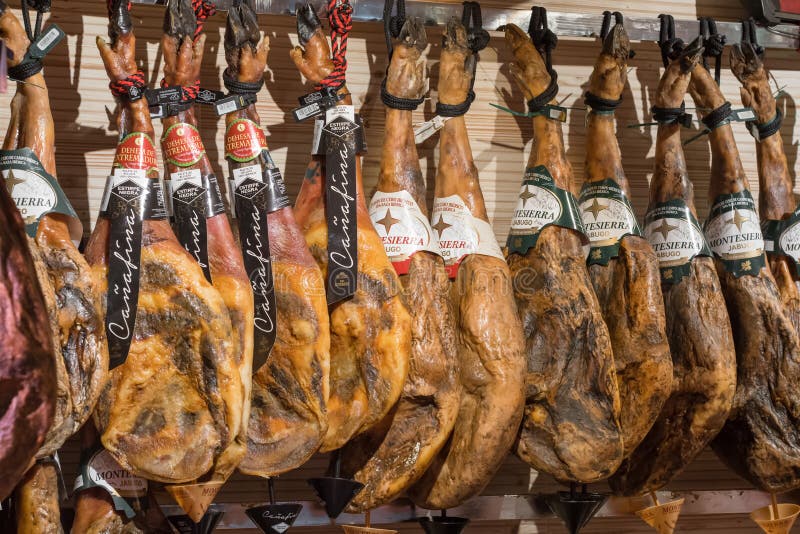
My first day began with a sensory explosion at the Mercado de Triana. Built on the site of the old Castillo de San Jorge, a former Inquisition headquarters, the market hums with life. The air is thick with the aroma of spices, fresh produce, and the enticing scent of Iberian ham. Strolling through the stalls, I was mesmerized by the array of artisanal cheeses, each with its unique texture and flavor profile. I heeded the locals' advice and purchased a selection of Manchego, Cabrales, and a wedge of payoyo, along with some thinly sliced Iberian ham, planning for a delightful picnic later in the Maria Luisa Park.
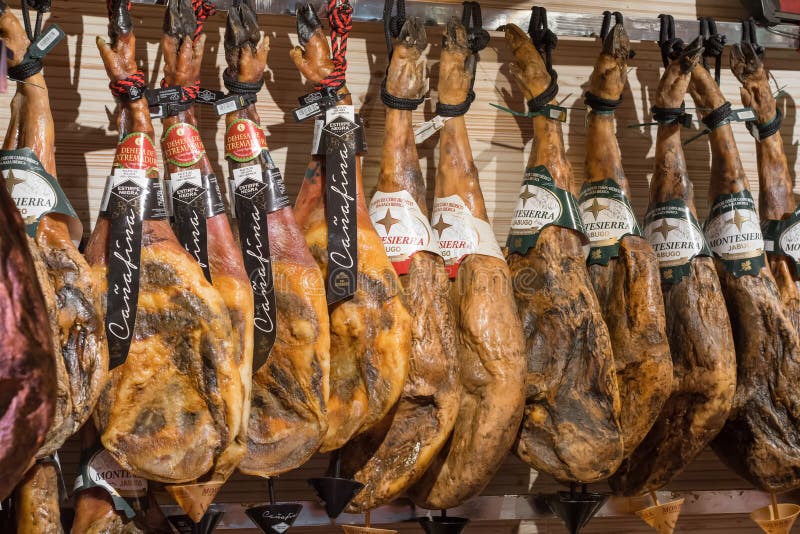
For lunch, I ventured deeper into Triana and discovered Casa Cuesta, a tapas bar known for its traditional Sevillian fare. Tiled walls adorned with bullfighting posters and hams hanging from the ceiling created a truly authentic atmosphere. Following a recommendation from a friendly local, I ordered two quintessential tapas: "espinacas con garbanzos" (spinach with chickpeas), a savory and comforting stew, and "solomillo al whisky" (pork tenderloin in whisky sauce), a surprisingly delicious combination of tender pork and a rich, slightly sweet sauce. This is a MUST-TRY when looking for Best Tapas Bars Seville Recommendations.
As evening approached, I made my way to El Rinconcillo, Seville's oldest tapas bar, dating back to 1670. The atmosphere was buzzing with locals and tourists alike, all eager to sample the bar's renowned tapas and selection of wines. I opted for a glass of Ribera del Duero, a Spanish red wine known for its rich, full-bodied character and notes of dark fruit and vanilla. The robust flavors of the wine perfectly complemented the tapas, creating a symphony of flavors that danced on my palate.
Day 2: Architectural Wonders and Flamenco Fire
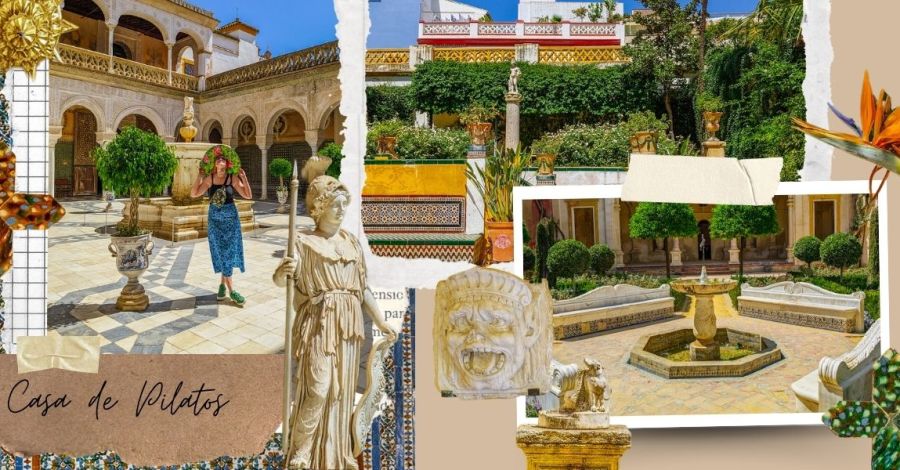
Day two was dedicated to exploring Seville's architectural marvels and experiencing the city's passionate flamenco culture. My morning began at the Casa de Pilatos, a stunning palace showcasing a unique blend of Renaissance and Mudéjar styles. The intricate plasterwork in the courtyards is a sight to behold, with delicate patterns and geometric designs that reflect the Moorish influence on Andalusian architecture. I spent hours wandering through the palace, admiring the collection of Roman sculptures and soaking in the serene atmosphere.
For lunch, I sought out a restaurant with views of the Giralda Tower, Seville's iconic bell tower. I found Bar Alfalfa, a bustling tapas bar known for its delicious "Montaditos" (small sandwiches). These bite-sized treats were the perfect way to refuel while enjoying the breathtaking views of the Giralda.
In the evening, I experienced the soul-stirring art of flamenco at Casa de la Memoria. This intimate venue is renowned for its authentic flamenco performances, focusing on different "palos" (styles) of flamenco. The performance I attended featured the "Soleá" palo, known for its solemnity and emotional depth. The raw emotion conveyed through the singer's voice, the guitarist's mournful chords, and the dancer's powerful movements was truly captivating. The Soleá is a nuanced expression of sorrow and resilience, and appreciating its depth requires attentive listening and observation. Pay attention to the facial expressions of the performers, the subtle shifts in rhythm, and the interplay between the music and the dance. This is Where to see authentic flamenco in Seville.
What is Seville famous for?
Seville is famous for its rich history, stunning architecture (like the Alcázar), passionate flamenco, delicious tapas culture, and vibrant cultural heritage.
Day 3: Modern Seville and Sweet Indulgences
Day three offered a glimpse into modern Seville and a taste of the city's sweeter side. I started my day with a ride on Seville's single tram line, a convenient and scenic way to travel from Plaza Nueva to the Prado de San Sebastián. The tram route passes by several of Seville's most iconic landmarks, including the Seville Cathedral and the Archive of the Indies. The journey itself provided a fascinating glimpse into the city's urban landscape.
Next, I visited the Plaza de España, a breathtaking architectural masterpiece built for the 1929 Ibero-American Exposition. The plaza's stunning architecture, with its colorful tiles, ornate bridges, and grand fountains, is a feast for the eyes. One of the most popular activities at the Plaza de España is renting a rowboat on the canal that runs along the perimeter. It's a fun and relaxing way to experience the plaza from a different perspective and snap some memorable photos. Plaza de España Seville Tips: Arrive early in the morning or late in the afternoon to avoid the crowds and the midday heat.
In the afternoon, I indulged in a dessert experience at Álvaro Peregil, a traditional Tabanco known for its selection of local sherries. I opted for a glass of Pedro Ximénez, an intensely sweet sherry made from sun-dried Pedro Ximénez grapes. Its raisin-like flavor, with hints of fig and molasses, was a decadent treat. The sherry was perfectly paired with a selection of local cheeses, creating a delightful contrast of sweet and savory flavors. This is how to enjoy Trying Pedro Ximénez Sherry in Seville.
Is the Seville tram worth it for tourists?
Yes, the Seville tram is worth it for tourists as a convenient and affordable way to travel between key attractions, especially between Plaza Nueva and the Prado de San Sebastián.
Day 4: Gardens and Departure
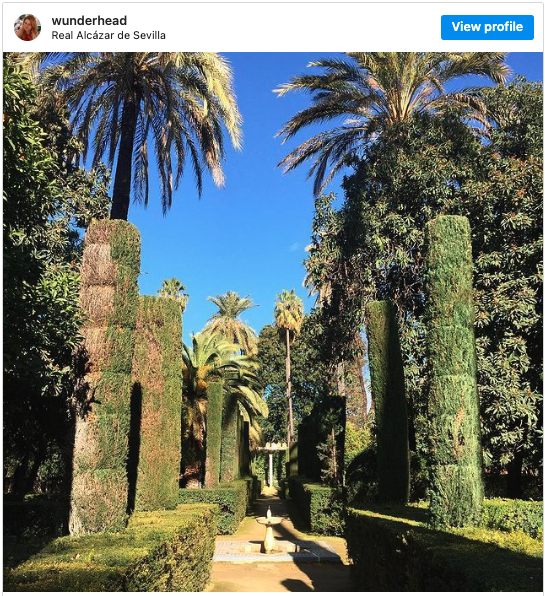
My final day in Seville was spent exploring the city's tranquil gardens and savoring one last taste of its culinary delights. I dedicated the morning to the Alcázar Gardens, a lush oasis of greenery, fountains, and hidden pathways. The gardens are a testament to the Moorish influence on Seville, with their intricate irrigation systems, exotic plants, and serene atmosphere. I lost myself in the labyrinthine pathways, discovering hidden courtyards and admiring the stunning views of the Alcázar palace.
Before heading to the airport, I enjoyed a final tapas lunch at Bodega Santa Cruz Las Columnas, a popular bar near the Santa Cruz neighborhood. I ordered a refreshing Cruzcampo, a local beer, and savored the lively atmosphere of the bar. It was the perfect way to bid farewell to Seville.
How do I get around Seville without a car?
Seville is easily navigable without a car. You can walk to most attractions, use the tram, the metro, buses, or even rent a bike. Taxis and ride-sharing services are also readily available.
Reflecting on Seville's Charm
Seville is a city that truly captivates the senses. Its rich history, stunning architecture, passionate culture, and delicious cuisine create an unforgettable experience. My four-day journey offered a glimpse into the heart of this enchanting city, revealing not just its famous landmarks but also its hidden gems and authentic experiences. I encourage you to experience the magic of Seville for yourself. Come, lose yourself in its labyrinthine streets, savor its delicious tapas, and feel the passion of its flamenco. Seville awaits, ready to ignite your senses and leave an indelible mark on your soul. Book your flight and experience Seville Authentic Experiences today!