Sculpted by the Earth: Three Beaches That Showca...
Coastlines are dynamic interfaces, constantly shaped by the relentless power of geological forces. From volcanic eruptions to the slow, patient work of erosion, the Earth leaves its indelible mark on the beaches we love to visit. Coastal geology tourism provides some of the most dramatic landscapes on the planet. In this article, we'll explore three stunning beaches, each a testament to the Earth's artistry. Get ready to discover Reynisfjara in Iceland, Ha Long Bay in Vietnam, and Cathedrals Beach in Spain, where geological formations create breathtaking scenery perfect for amateur geologists, photography enthusiasts, and travelers seeking unforgettable experiences. Get ready to learn all about Iceland, Vietnam, Spain geology and their unique beaches.
Reynisfjara Black Sand Beach, Iceland: A Volcanic Masterpiece
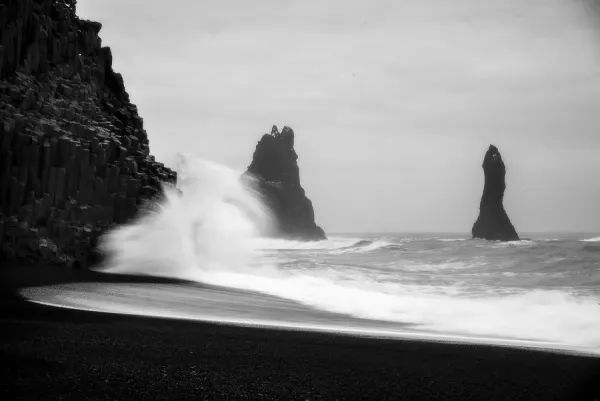
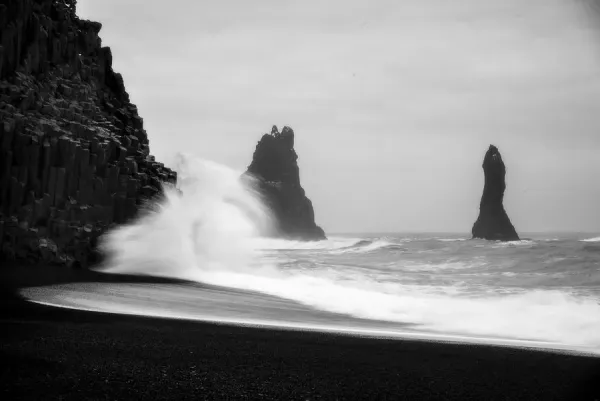
Reynisfjara, on Iceland’s south coast, is not your typical beach. Its black sand, dramatic basalt columns, and imposing sea stacks make it a landscape ripped straight from a fantasy novel. But this otherworldly beauty is rooted in very real geological processes. Volcanic activity is what made this volcanic beach in Iceland. The black sand originates from volcanic rock, ground down over millennia by the relentless pounding of the Atlantic waves.
The Basalt Columns and Columnar Jointing
The most striking feature of Reynisfjara is its towering basalt columns. These hexagonal columns are a result of columnar jointing, a geological phenomenon that occurs when basalt lava cools and contracts rapidly. As the lava cools, it shrinks and fractures, creating these distinctive columns. The process works like this:
- Molten lava erupts and flows across the landscape.
- The surface of the lava flow cools quickly upon exposure to air and water.
- As the cooling continues inward, the lava contracts, creating stress points.
- These stress points propagate downwards, forming fractures that eventually create the hexagonal columns.
Reynisdrangar Sea Stacks
Just offshore, the dramatic Reynisdrangar sea stacks rise defiantly from the ocean. These jagged rock formations are remnants of a once-larger cliff face, eroded over time by the relentless power of the sea. Legend has it that these sea stacks are actually trolls who were caught in the sunlight while trying to pull a ship to shore, turning them to stone.
The Danger of Sneaker Waves
Reynisfjara's beauty comes with a warning: the powerful waves are notorious for their unpredictability. These are what scientists call "sneaker waves," unexpectedly large waves that surge far up the beach, often without warning. These waves can be incredibly dangerous and have tragically swept people out to sea. Always maintain a safe distance from the water's edge and be aware of your surroundings.
Photography Tips for Reynisfjara
Reynisfjara is a photographer's paradise. Here's how to capture its dramatic beauty:
- Time of day: The soft light of sunrise or sunset is ideal for photographing the basalt columns. The low angle of the sun accentuates their texture and form.
- Lens: Use a wide-angle lens to emphasize the scale of the landscape and capture the towering basalt columns in their entirety.
- Composition: Experiment with different angles and perspectives to find unique compositions. Try including the black sand beach in the foreground or using the Reynisdrangar sea stacks as a focal point.
- Safety: Never turn your back on the ocean. Be especially cautious when photographing near the water's edge, as sneaker waves can appear suddenly. A good idea is to know where to photograph basalt columns Reynisfjara without being in danger.
Ha Long Bay, Vietnam: A Karst Landscape of Emerald Waters
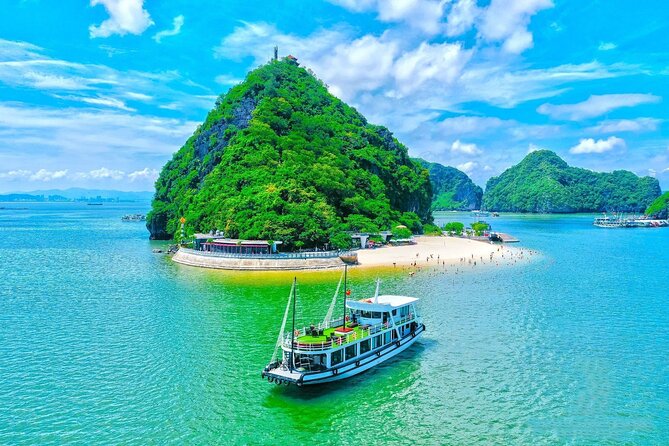
Ha Long Bay, a UNESCO World Heritage site, is a breathtaking seascape of towering limestone karsts and emerald waters. This stunning landscape is a prime example of karst topography, formed over millions of years by the dissolution of soluble rocks like limestone.
The Formation of Karst Topography
Karst topography develops in areas with thick deposits of limestone or other soluble rocks. Rainwater, naturally slightly acidic due to dissolved carbon dioxide, slowly dissolves the rock over vast periods. This process creates a distinctive landscape characterized by:
- Sinkholes: Depressions in the ground where the rock has dissolved away.
- Underground drainage systems: Networks of caves and underground rivers.
- Limestone karst formations Vietnam: Towering rock formations like those found in Ha Long Bay.
The geological history Ha Long Bay Vietnam is very interesting. The ria coast geomorphology of Ha Long Bay, specifically its submerged river valley, contributes to the bay's distinctive character.
Hidden Caves and their Formations
Many of the karsts in Ha Long Bay contain hidden caves, adorned with stunning stalactite and stalagmite formations. Stalactites hang from the ceiling of the cave, formed by dripping water that deposits calcium carbonate over time. Stalagmites rise from the floor of the cave, formed by the same process. Over thousands of years, these formations can grow to impressive sizes, creating otherworldly landscapes within the karsts.
Exploring Ha Long Bay by Kayak
One of the best ways to experience the beauty of Ha Long Bay is by kayak. Paddling through the emerald waters, you can get up close to the towering karsts and explore hidden lagoons and caves.
Photography Tips for Ha Long Bay
Here's how to capture the beauty of Ha Long Bay through photography:
- Time of day: Early morning or late afternoon offer the best lighting conditions, with softer light and fewer crowds.
- Perspective: Kayaking allows you to photograph the karsts from unique angles, emphasizing their scale and grandeur.
- Composition: Use the emerald waters and the shapes of the karsts to create interesting compositions.
- Consider a photography tour Ha Long Bay Vietnam.
Cathedrals Beach (Praia de Augas Santas), Ribadeo, Spain: Carved by the Waves
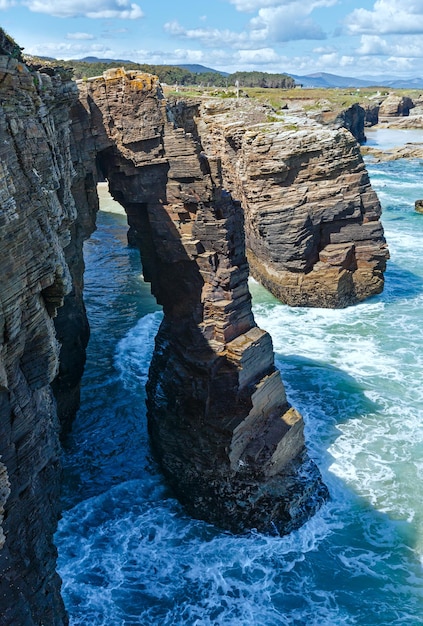
Cathedrals Beach, or Praia de Augas Santas (Beach of the Holy Waters) in Galician, is located in Ribadeo, Spain. It is famous for its impressive arches, caves, and rock formations carved by wave erosion. Visiting this site requires some planning. Tidal access Cathedrals Beach Galicia Spain dictates when you can access this unique location.
The Power of Wave Erosion
The dramatic rock formations at Cathedrals Beach are a testament to the power of wave erosion. This process involves several mechanisms:
- Hydraulic action: The force of the waves crashing against the rocks compresses air in cracks and crevices, weakening the rock over time.
- Abrasion: Waves carry sand and pebbles that grind against the rock, wearing it away. This is also called "sandblasting".
- Solution: The chemical dissolving of rocks by seawater.
These processes, acting over thousands of years, have sculpted the arches, caves, and other unique formations that characterize Cathedrals Beach. Understanding how tidal erosion create sea arches is key to understanding the geology of the beach.
Exploring the Intertidal Zone at Low Tide
Cathedrals Beach is only accessible at low tide. During high tide, the beach is submerged, and the arches and caves are inaccessible. The tidal range, the difference between high and low tide, is significant in this area, making it essential to check the tide times before visiting. The area exposed at low tide is known as the intertidal zone, a dynamic environment where the land meets the sea.
Photography Tips for Cathedrals Beach
Here's how to capture the beauty of Cathedrals Beach through photography:
- Time of day: Arrive an hour before low tide to have plenty of time to explore the arches and caves. The golden light of sunset enhances the color and texture of the rock formations. Best time of day Cathedrals Beach photography is during sunset.
- Footwear: Wear waterproof footwear, as you'll be walking on wet sand and rocks.
- Composition: Use the arches as natural frames for your photos, creating a sense of depth and perspective.
- How to get to Cathedrals Beach Spain: You may want to research transportation options to the beach.
Conclusion: Respecting the Earth's Artistry
These three beaches – Reynisfjara, Ha Long Bay, and Cathedrals Beach – offer a glimpse into the Earth's incredible power and artistry. Each location showcases unique geological formations shaped by different forces, from volcanic activity to the slow, patient work of erosion. As you explore these incredible landscapes, remember to do so responsibly, respecting the natural environment and taking precautions to ensure your safety. Book your geological beach formations adventure today with VistaLocation!