Sculpted by Nature: Three Unique Beaches Where G...
Forget the typical beach vacation. Imagine stepping onto shores that are more like outdoor geological museums, where the very landscape tells a story millions of years in the making. This isn’t just about sun and sand; it’s about witnessing the raw power of nature and the artistry of time etched into the Earth. Join us as we explore three exceptional beaches where geology meets the sea: Bowling Ball Beach in California, Shell Beach in Western Australia, and Giant's Causeway Beach in Northern Ireland. This article will delve into the incredible intersection of geology and water, revealing how these forces have shaped these unique landscapes. We'll also explore how you can experience these natural wonders responsibly, ensuring their preservation for future generations. These unique geological beaches are calling, so let's answer responsibly!
Bowling Ball Beach, Mendocino, California
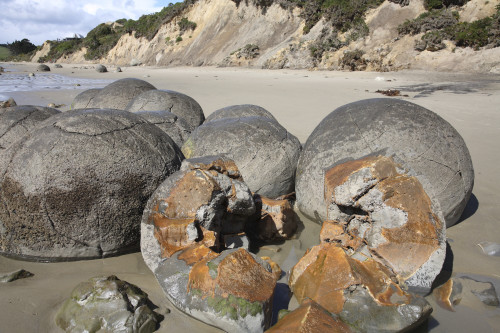
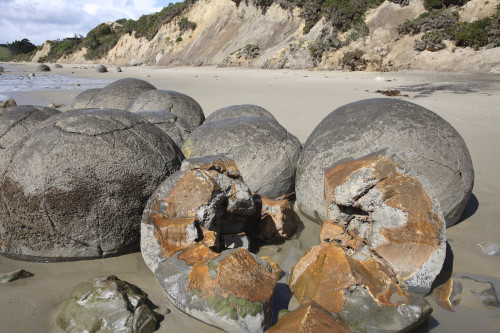
Bowling Ball Beach, part of Schooner Gulch State Beach in Mendocino County, California, is a mesmerizing spectacle of perfectly spherical rock formations. But how did these geological wonders come to be?
Geological Formation
The "bowling balls" aren't actually bowling balls, but rather concretions formed from dense sandstone within layers of sedimentary rock. Over millions of years, differential erosion played the key role. The softer surrounding rock was worn away by the relentless force of wave action and weathering, leaving behind these more resistant, spherical formations. This process, unfolding over eons, has sculpted a truly unique and unforgettable coastal landscape.
Water Interaction
To fully appreciate Bowling Ball Beach, time your visit for low tide. As the ocean recedes, the "bowling balls" are revealed in their full glory. The receding tide leaves the smooth, cool surfaces of the rocks glistening and creating stunning reflections of the sky and the setting sun. Witnessing the perfectly round stones mirrored in the water creates an ethereal and otherworldly experience.
Sensory Experience
Imagine walking among these geological giants, reaching out to touch their smooth, cool surfaces. The tactile sensation is surprisingly soothing. As you explore, the gentle sound of the waves lapping against the "bowling balls" provides a calming soundtrack to this extraordinary scene. It’s an immersive sensory experience that connects you to the Earth's ancient history.
Sustainable Luxury
Experience the magic of Bowling Ball Beach while minimizing your impact. Consider a guided photography tour focused on capturing the fleeting beauty of the sunset. Look for tour operators that adhere to Leave No Trace principles, ensuring the preservation of this delicate environment. One such operator is "Mendocino Coast Photography Tours" [www.mendocinocoastphotographytours.com], which offers responsible and informative tours. This geological beach tour will be one to remember.
Deep Time
These "bowling balls" began forming during the Cenozoic Era, specifically the Paleogene and Neogene periods, spanning roughly 66 million to 2.6 million years ago. Imagine the Earth undergoing immense changes as these rocks slowly took shape. For more in-depth information, refer to "Geologic History of the Mendocino Coast" [insert link to relevant scholarly article or research paper].
Shell Beach, Shark Bay, Western Australia
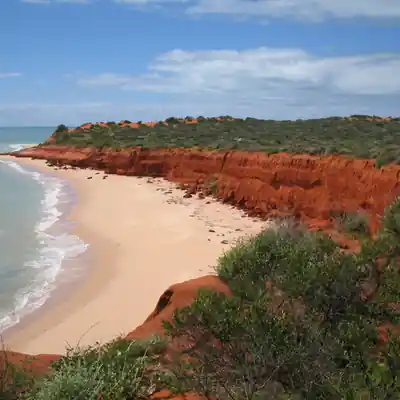
Located in the UNESCO World Heritage site of Shark Bay, Western Australia, Shell Beach is a dazzling expanse composed entirely of tiny white shells. This unique beach offers a completely different geological and sensory experience compared to Bowling Ball Beach.
Geological Formation
Unlike typical sandy beaches, Shell Beach is made up of billions of tiny shells of the Fragum erugatum cockle. The key to this phenomenon lies in the hypersaline waters of Shark Bay. The high salt concentration inhibits the decomposition of the shells, allowing them to accumulate over thousands of years, creating a stunning white landscape. It’s a testament to the power of specific environmental conditions to shape unique geological features. What makes Shell Beach unique? Its composition!
Water Interaction
Swimming in the hyper-saline water of Shell Beach is an experience in itself. The increased salt content provides exceptional buoyancy, making you feel almost weightless. The shallow water warms up quickly under the Australian sun, creating a pleasantly warm and relaxing swimming environment. This is truly swimming in a geological beach.
Sensory Experience
Walking on Shell Beach is a unique auditory and tactile experience. Each step is accompanied by a distinctive crunching sound as millions of tiny shells shift underfoot. The warm, salty water caresses your skin, leaving a refreshing and invigorating sensation. It's a sensory immersion that will stay with you long after you leave.
Sustainable Luxury
Explore Shell Beach and the surrounding Shark Bay responsibly with a bespoke eco-cruise. Several operators, like "Shark Bay Eco Tours" [www.sharkbayecotours.com.au], are committed to sustainable practices and offer opportunities to learn about the local environment. These tours often focus on the area’s UNESCO World Heritage status and the ongoing efforts to protect the fragile marine ecosystem. Practicing responsible travel unusual beaches makes this experience even better.
Living Fossils
Shark Bay is also home to ancient stromatolites, some of the earliest forms of life on Earth. These microbial mats played a role in shaping the environment that allowed for the accumulation of shells at Shell Beach. Learn more about Shark Bay's stromatolites through research published in "Nature" [insert link to scientific research about Shark Bay stromatolites].
Giant's Causeway Beach, Northern Ireland
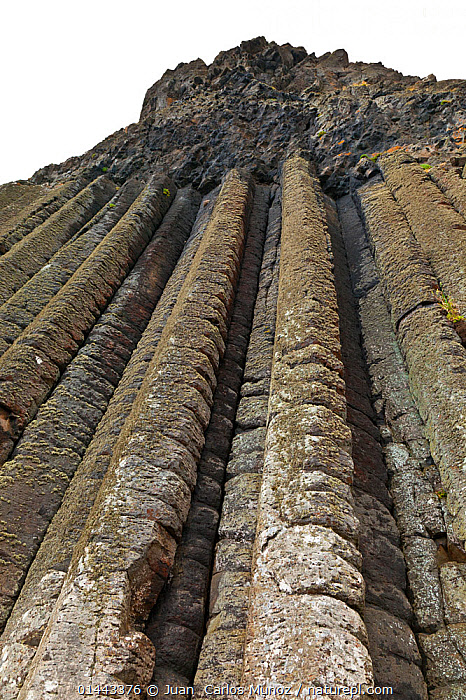
The Giant's Causeway, a UNESCO World Heritage Site on the coast of Northern Ireland, is a geological marvel formed by ancient volcanic activity. This dramatic landscape features thousands of interlocking basalt columns, creating a truly awe-inspiring sight.
Geological Formation
The Giant's Causeway's iconic basalt columns are the result of intense volcanic activity during the Paleogene period, around 50 to 60 million years ago. As molten lava flowed onto the coast and rapidly cooled, it contracted and fractured, forming the distinctive hexagonal columns. While most columns are hexagonal, some have four, five, seven, or even eight sides! This unique geological formation is a testament to the power and artistry of nature. What is the Giant's Causeway made of? Basalt!
Water Interaction
Exploring the tide pools formed within the basalt columns at the Giant's Causeway Beach is a fascinating experience. These small pools provide protected micro-habitats for a variety of unique marine life, including sea anemones, starfish, and shellfish. Observing these creatures thriving in their unique environment offers a glimpse into the resilience and adaptability of life on Earth.
Sensory Experience
Walking on the Giant's Causeway is a unique sensory experience. The cool, smooth basalt feels solid and ancient underfoot. The sound of the waves crashing against the columns creates a powerful and evocative atmosphere. It's an unforgettable experience that connects you to the Earth's raw power.
Sustainable Luxury
Enhance your visit to the Giant's Causeway with a guided walking tour led by a local geologist. Tour operators like "Giant's Causeway Tours" [www.giantscausewaytours.com] offer tours that focus on the unique flora and fauna adapted to the basalt landscape and the ongoing efforts to preserve the coastline. The best guided tours of Giant's Causeway Northern Ireland emphasize environmental education and conservation.
Volcanic Legacy
The Giant's Causeway is linked to other similar geological formations around the world, such as Fingal's Cave in Scotland and the Devil's Postpile National Monument in California. These formations share a common volcanic origin and offer further insights into the Earth's dynamic geological history. Learn more about the region's geology from the British Geological Survey [insert link to geological survey information].
Conclusion
From the spherical sandstone formations of Bowling Ball Beach to the shell-strewn shores of Shell Beach and the towering basalt columns of the Giant's Causeway, these three beaches offer more than just relaxation; they offer a chance to connect with the Earth's deep history. Each location provides unique geological features, distinct water interactions, and immersive sensory experiences. Remember, exploring these natural wonders comes with a responsibility. We encourage you to delve deeper into each location by exploring the provided links for specific eco-tours and scientific research. Plan your geological beach tour today! Discover how you can contribute to their preservation and create your own sustainable adventures.