
Science-Based Sea Adventures: Unique Ocean Exper...
Dive into a world of extraordinary ocean adventures that combine breathtaking experiences with real scientific discovery. Forget typical tourist traps; we’re exploring unique sea tours where you can contribute to marine research, learn about conservation efforts, and witness the wonders of the ocean firsthand. From bioluminescent bays to deep-sea hydrothermal vents, get ready to immerse yourself in science-based travel that makes a difference. Whether you’re interested in participating in plankton collection, observing whale sharks, or analysing dolphin calls, there’s an opportunity for you to engage with the marine environment in a meaningful way.
Bioluminescent Bay Kayaking in Mosquito Bay, Puerto Rico: A Citizen Science Hotspot
Experience the magic of Mosquito Bay in Vieques, Puerto Rico, a bioluminescent bay teeming with millions of dinoflagellates that light up the water with an ethereal blue glow. This isn't just a stunning visual spectacle; it's also an opportunity to participate in vital citizen science initiatives.

Citizen Science Opportunities: Tourists can actively participate in monitoring dinoflagellate populations and assessing water quality. Many local tour operators partner with research organizations, providing kayakers with water sampling kits to collect data during their tours. This data helps scientists track changes in the bay's ecosystem and understand the impact of factors like light pollution, sunscreen chemicals, and boat traffic.
The Science Behind the Glow: The bioluminescence is produced by single-celled organisms called dinoflagellates. When disturbed, they emit light through a chemical reaction involving luciferin and luciferase. However, this delicate balance is threatened by various factors. Researchers like Dr. Edith Widder have studied the effects of light pollution on bioluminescence, finding that artificial light can disrupt the dinoflagellates' natural rhythms. Studies have also investigated the impact of sunscreen chemicals, particularly oxybenzone, on these organisms. Excessive boat traffic can also stir up sediment and harm the dinoflagellates.
Participate: Organizations like Para la Naturaleza Para la Naturaleza offer citizen science programs where you can learn about the bay's ecology and contribute to its conservation.
Underwater Hotel Stay at the Muraka Suite, Conrad Maldives: Luxury Meets Marine Observation
Imagine waking up surrounded by the vibrant marine life of the Maldives. The Muraka suite at the Conrad Maldives offers just that – a unique underwater hotel experience where luxury meets marine observation. This innovative suite features an acrylic dome construction that provides stunning panoramic views of the ocean.
Design and Impact: The Muraka suite’s acrylic dome, several inches in thickness, provides a clear window into the underwater world. Resident marine biologists are actively studying the structure's impact on light penetration and algae growth. Statistics show that specific types of algae, attracted by the increased light, colonize the acrylic surface over time. This colonization, while providing a habitat for small marine organisms, can also affect the suite's visibility. Ongoing research investigates methods to mitigate algae growth without harming the surrounding ecosystem.
Balancing Luxury and Environmental Responsibility: The Conrad Maldives is committed to minimizing its environmental impact. The hotel implements sustainable practices such as coral reef restoration projects and responsible waste management.
Remote Submersible Expeditions to Hydrothermal Vent Fields off Dominica with DEOLI
Venture into the deep sea with DEOLI (Deep Ocean Exploration and Living Institute) and explore the fascinating hydrothermal vent fields off the coast of Dominica, named 'The Serpent's Maw' and 'Chimera's Garden'. These unique ecosystems are home to extremophile organisms that thrive in extreme conditions.
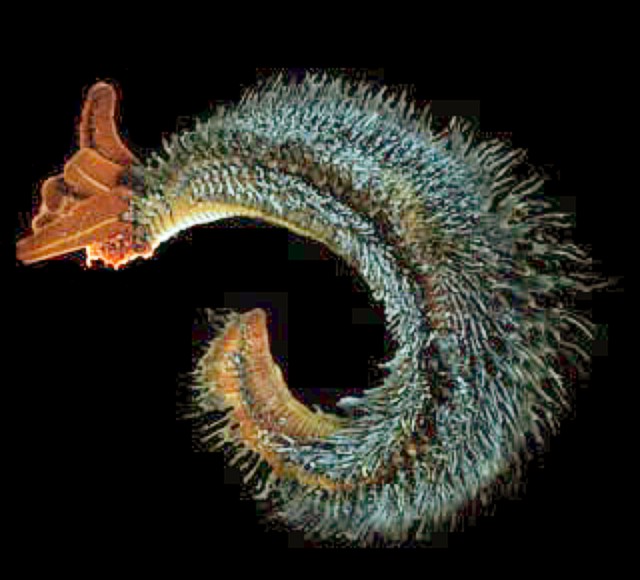
Extremophile Ecosystems: Hydrothermal vents are formed when seawater seeps into the Earth's crust, is heated by magma, and then expelled back into the ocean. The mineral-rich fluids support chemosynthetic bacteria, which form the base of the food web. These bacteria provide sustenance for unique organisms like tube worms, specialized shrimp, and other extremophiles. Chemosynthesis, the process by which these bacteria create energy from chemicals rather than sunlight, is a key focus of research in these environments.
DEOLI's Expeditions: DEOLI offers submersible expeditions that allow researchers and adventurous travelers to witness these incredible ecosystems firsthand. During these expeditions, scientists collect samples of organisms and study the chemosynthetic processes that support life in these extreme environments. DEOLI has published numerous research papers on the unique biodiversity and geochemical processes found at these vent fields, contributing significantly to our understanding of deep-sea ecology. Visit DEOLI's website DEOLI for more information.
Responsible Dolphin Encounters with the Dolphin Communication Project in Bimini
The Dolphin Communication Project Dolphin Communication Project in Bimini offers a unique opportunity to interact with wild dolphins in a responsible and educational way. Their research focuses on understanding dolphin vocalizations and communication patterns.
Acoustic Monitoring Techniques: Tourists can participate in analyzing dolphin vocalizations using hydrophones, underwater microphones that capture the sounds of the ocean. By recording and analyzing these vocalizations, researchers can identify distinct calls and their potential meanings.
Understanding Dolphin Communication: The Dolphin Communication Project has identified several distinct dolphin calls, including whistles, clicks, and burst pulses. Each type of call is thought to serve a different purpose, from individual identification to coordinating group activities. For example, signature whistles are unique to each dolphin and are used to identify themselves to other members of the pod.
Contribute to Research: Visitors can participate in workshops where they learn to identify different dolphin calls and assist in analyzing the recordings. This citizen science initiative provides valuable data for understanding dolphin communication and behavior.
Snorkeling with Whale Sharks in Donsol: Community-Based Conservation
Donsol, Philippines, offers a remarkable example of community-based tourism that benefits both the local community and the whale sharks. This program transformed local fishermen into butanding interaction officers, protecting these gentle giants.
Empowering Local Communities: Formerly hunters of whale sharks, these fishermen now guide tourists in responsible snorkeling encounters, ensuring the safety of both the visitors and the whale sharks. The community-based tourism model has provided significant economic benefits, with local families earning income from tourism-related activities. Data shows a substantial increase in the income of Donsol residents since the implementation of the whale shark tourism program.
Sustainable Tourism Practices: Strict guidelines are in place to minimize the impact of tourism on the whale sharks. Only a limited number of snorkelers are allowed per whale shark, and touching or chasing the animals is strictly prohibited. This responsible approach ensures the long-term sustainability of the tourism program and the protection of these magnificent creatures.
Antarctic Expedition Cruises on Hurtigruten's MS Roald Amundsen: Plankton Research and Microplastic Awareness
Embark on an Antarctic expedition cruise with Hurtigruten’s MS Roald Amundsen and contribute to cutting-edge plankton research. Passengers on these cruises actively participate in collecting plankton samples, which are then analyzed for microplastic contamination.
Plankton and the Antarctic Food Web: Plankton forms the base of the Antarctic food web, supporting everything from krill to whales. However, these microscopic organisms are increasingly threatened by microplastic pollution.
Citizen Science in Action: Passengers on the MS Roald Amundsen collect plankton samples using specialized nets. Scientists aboard the ship then analyze these samples to determine the concentration of microplastics. This data is crucial for understanding the extent of microplastic pollution in the Antarctic and its potential impact on the ecosystem. Results from this passenger-collected data have been published in scientific journals, highlighting the significant role of citizen science in addressing global environmental challenges.
Raising Awareness: By participating in this research, passengers gain a deeper understanding of the threats facing the Antarctic ecosystem and the importance of reducing plastic consumption.
Conclusion: Your Role in Marine Conservation
These unique sea adventures offer more than just breathtaking experiences; they provide opportunities to engage with marine science and contribute to conservation efforts. By participating in citizen science initiatives, you can help researchers collect valuable data, raise awareness about environmental challenges, and support sustainable tourism practices. Ready to embark on your own science-based sea adventure? Explore Vistalocation.com today and discover a world of extraordinary ocean experiences that make a difference. Check availability and book your sustainable marine adventure now!