Saving Paradise: My Time Restoring Coral in Fiji...
My arrival at Nadi International Airport marked the beginning of an incredible journey – a three-month volunteer stint with the "Bula Reef Restoration Project" in Fiji's Yasawa Islands. I was eager to trade my lab coat for a wetsuit and contribute to coral reef restoration Fiji, a cause close to my heart. The Yasawa Islands promised pristine beaches, vibrant marine life, and a chance to immerse myself in Fijian culture – and they certainly delivered. The goal: to contribute to Yasawa Islands sustainable tourism by restoring damaged coral reefs.
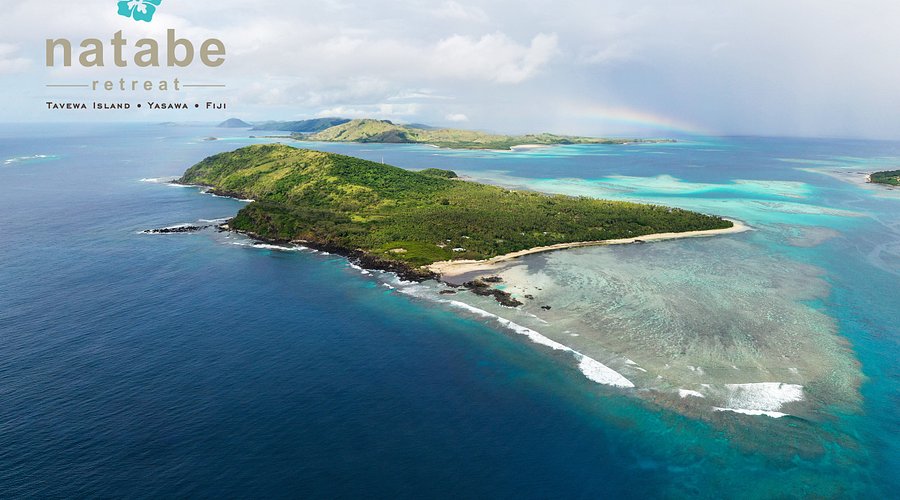
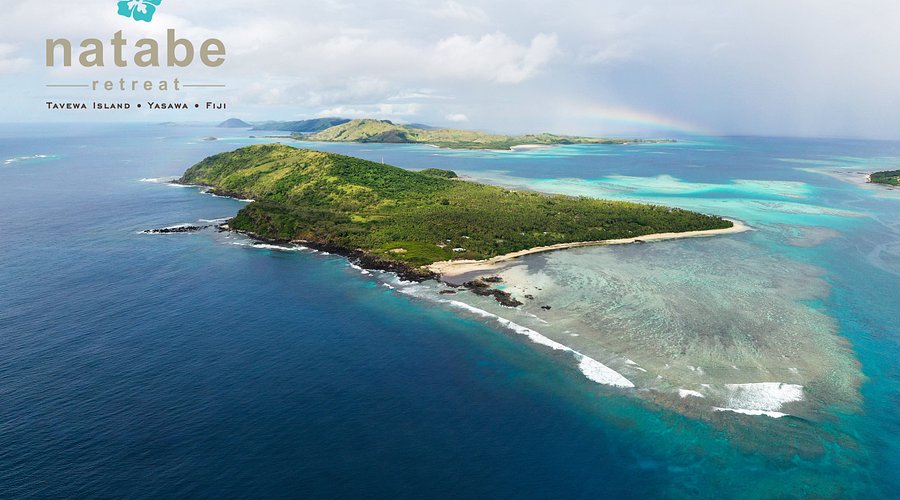
The highlight was the seaplane transfer to the islands. Looking down from above, I witnessed the breathtaking beauty of the archipelago. Volcanic islands, emerald green and sharply defined, contrasted spectacularly with the vibrant turquoise waters that surrounded them. This breathtaking aerial perspective only fueled my anticipation for what awaited me.
Settling into Naviti Island
Our seaplane gently kissed the water near Naviti Island, the location of the project's base camp. The camp was simple yet functional, a testament to the project's commitment to sustainability. The air was thick with humidity and the sound of crashing waves, an ever-present reminder of the powerful ocean we were there to protect. The staff welcomed me with open arms and introduced me to my fellow volunteers, a diverse group of passionate individuals from around the globe. I was ready to contribute to the Fiji volunteer travel landscape.
The Heart of the Project: Coral Restoration
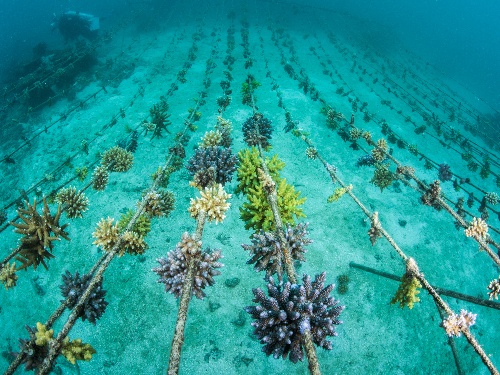
The Bula Reef Restoration Project focuses on actively restoring damaged coral reefs by transplanting coral fragments onto artificial reefs. These structures, carefully constructed from locally sourced, sustainable materials, provide a stable base for new coral colonies to flourish. My days were spent diving, collecting healthy coral fragments from donor sites, and carefully attaching them to the artificial reefs.
The work was physically demanding. Strong currents and unpredictable weather conditions often presented challenges. Maintaining buoyancy while working with delicate coral fragments required constant focus and precision. But despite the difficulties, there was an undeniable sense of fulfillment in seeing new coral growth on the transplanted fragments. Each tiny polyp represented a victory, a step towards restoring the reef's health and biodiversity. This is what I call marine conservation volunteer programs Fiji at its finest.
The Process
- Fragment Collection: Select healthy coral fragments from sustainable donor sites.
- Nursery Preparation: Clean and prepare the artificial reef structures.
- Transplantation: Carefully attach the coral fragments to the reefs using reef-safe epoxy.
- Monitoring: Regularly monitor the growth and health of the transplanted coral.
Immersing Myself in Fijian Culture
Beyond the scientific work, my time in the Yasawa Islands was enriched by the vibrant Fijian culture. One evening, I had the privilege of attending a Meke performance in a nearby village on one of the smaller islands. The dancers, adorned in vibrant costumes of flowers and leaves, told stories through their graceful movements and rhythmic chants. The energy was infectious, and the welcoming smiles of the community made me feel instantly at home. Experiencing this was true Yasawa Islands cultural immersion.
Learning to Make Kokoda
Another unforgettable experience was learning to prepare "Kokoda," a traditional Fijian ceviche, from a local family. Here's the recipe:
- Fresh Walu or Mahi-Mahi fish, cubed
- Freshly squeezed coconut milk
- Lime juice
- Diced onions
- Diced tomatoes
- Chopped chilies
The combination of fresh ingredients, the tangy lime juice, and the creamy coconut milk was an explosion of flavor. Sharing this meal with the family, learning about their traditions, and laughing together created a bond that transcended language and cultural differences. Preparing Kokoda became a cherished ritual, a taste of Fiji I will forever carry with me. The knowledge of traditional Fijian Kokoda recipe from Naviti is something I will always cherish.
Exploring the Yasawa Islands' Landscapes
The Yasawa Islands are a geological marvel, each island possessing its unique character. Waya Island's dramatic black volcanic rock formations provided a stark contrast to the pristine white sandy beaches of Matacawa Levu. I went snorkeling to explore the landscape.
Underwater Wonders
The true beauty of the Yasawa Islands lies beneath the surface. I enjoyed diving and snorkeling, and the abundance of soft coral reefs around Tavewa Island was particularly breathtaking. Species like Dendronephthya and Sarcophyton swayed gently in the current, creating a kaleidoscope of colors. The reefs teemed with marine life – reef sharks, manta rays gliding effortlessly through the water, and schools of colorful reef fish darting among the coral branches. Diving around the islands opened my eyes to what the project and its goals hoped to save from destruction.
Environmental Challenges and the Project's Impact
The Yasawa Islands, like many coastal regions, face significant environmental challenges. Climate change, plastic pollution, and unsustainable fishing practices threaten the delicate balance of the ecosystem. Rising ocean temperatures cause coral bleaching, while plastic debris smothers marine life and pollutes the food chain. Unsustainable fishing practices deplete fish stocks and damage coral reefs. But this Coral reef restoration Fiji project addresses these challenges.
The Bula Reef Restoration Project is actively mitigating these threats through various initiatives. By restoring coral reefs, the project is enhancing the resilience of the ecosystem to climate change. Regular beach cleanups remove plastic debris from the shoreline and prevent it from entering the ocean. The project also works closely with local communities to promote sustainable fishing practices and educate them about the importance of marine conservation. This community based tourism Naviti Island Fiji project is making a difference.
A Positive Impact
The project's impact extends beyond the environment. By providing employment opportunities and generating revenue through tourism, the Bula Reef Restoration Project is empowering local communities and fostering a sense of stewardship for their natural resources. The local communities benefit from the projects via employment and revenue generated. The people understand the importance of protecting their reefs for future generations.
Saving Paradise: A Call to Action
The Yasawa Islands are a treasure worth protecting. But preserving this paradise requires a collective effort. You can support the Bula Reef Restoration Project through donations, volunteering, or responsible tourism.
- Donate: Visit BulaReefProject.org/donate to make a secure online donation. Every contribution, no matter how small, makes a difference.
- Volunteer: Join the project and contribute your time and skills to coral restoration efforts. See the Bula Reef Restoration Project volunteer page to learn more about volunteering opportunities.
- Travel Responsibly: Choose eco-friendly accommodations and support local businesses that are committed to sustainability. Consider visiting Nanuya Island Resort or Turtle Island Resort due to their sustainability initiatives.
The future of the Yasawa Islands depends on our commitment to conservation. By working together, we can ensure that these vibrant ecosystems continue to thrive for generations to come. Vinaka vaka levu to Mere and the rest of the Naviti village team for making me feel so at home during my time here.