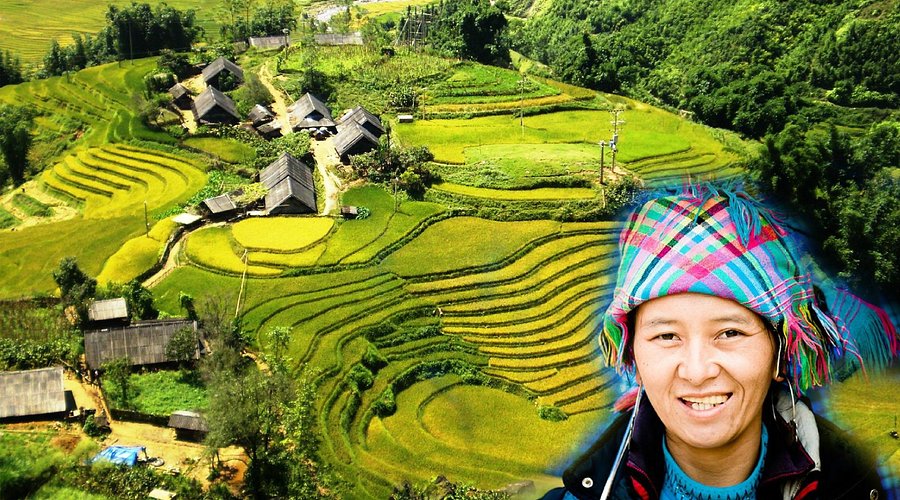
Sapa Sustainable Trekking: An Immersive Journey...
Hello, fellow adventurers! Elias Thorne here, a digital nomad and sustainability advocate hailing from Vancouver, Canada. I'm thrilled to share my recent experience – a breathtaking 5-day trek through the Muong Hoa Valley in Sapa, Vietnam. This wasn't just a journey through stunning landscapes; it was a deep dive into Hmong culture, a lesson in responsible travel, and a challenging yet incredibly rewarding adventure. I want to give you an Ethical Tourism Sapa Vietnam guide to help you plan your future travels.
My initial impressions of Sapa town were a bit jarring. The bustling market and rapid development contrasted sharply with the serene images I'd seen. But the moment I stepped into the Muong Hoa Valley, a sense of tranquility washed over me. It was a different world, a world of cascading rice terraces, traditional villages, and warm, welcoming people.
Trekking Through the Heart of Muong Hoa Valley
My trek began in Y Linh Ho, a small village a few kilometers from Sapa town. From there, the trail wound its way through the valley, passing through Lao Chai and Ta Van villages before eventually ending near Giang Ta Chai. This 5-day Muong Hoa Valley trek itinerary offered a diverse range of terrain.
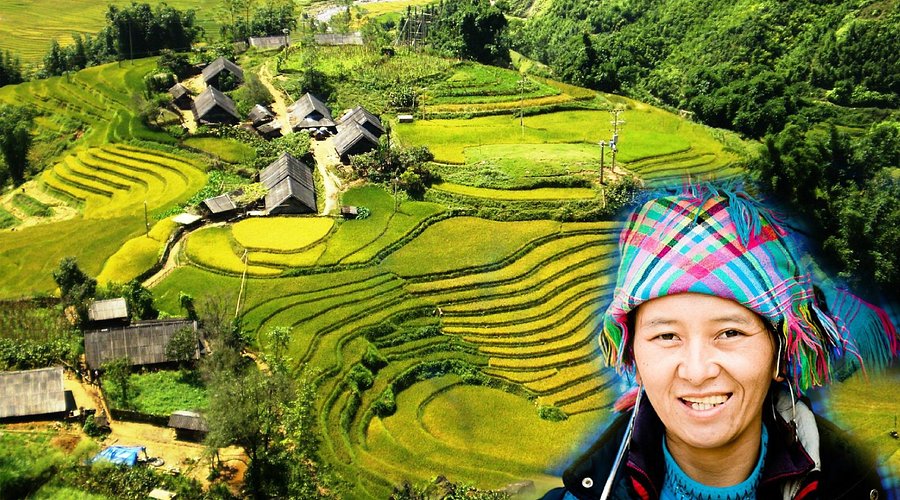
The trek wasn't always easy. Some days were steep and challenging, while others were more leisurely strolls along the rice paddies. The microclimates were fascinating – one moment I'd be sweating under the hot sun, the next I'd be shrouded in mist. Of course, no trek through Sapa is complete without mentioning the viewpoints. When the clouds parted, the views of the rice terraces were simply breathtaking. However, as is common in Sapa, cloud cover often obscured the landscape, adding an element of mystery to the journey.
Staying with a Hmong Family: A Cultural Immersion
One of the highlights of my trek was staying in a Hmong homestay in Lao Chai village. This Muong Hoa Valley Homestay offered an intimate glimpse into their daily life.
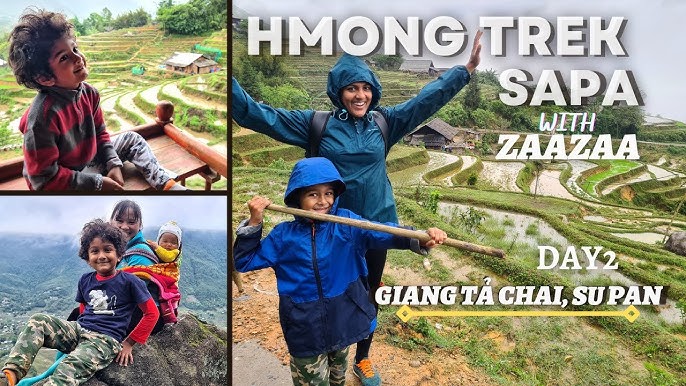
The family welcomed me with open arms, sharing their meals and stories. I learned about their farming practices, their traditional crafts (especially hemp weaving), and the challenges they face in a rapidly changing world. It was a powerful reminder of the importance of cultural preservation and Responsible Travel Sapa Tips.
Their daily lives revolved around farming, weaving, and caring for their children. Resources were limited, and they worked incredibly hard to make ends meet. The cultural exchange went both ways. I shared stories of my life in Canada, and we discussed our different perspectives on the world.
Ethical Considerations
Visiting ethnic minority villages raises important ethical questions. We need to be mindful of the impact our presence has on their culture and environment. It's crucial to approach these interactions with respect, ensuring that our visit benefits the community. This means supporting locally owned businesses, paying fair prices for goods and services, and avoiding exploitative practices. One way to ensure a positive experience is to always consider Responsible Travel Sapa Tips.
I was fortunate to have Mai, a Hmong woman from the village, as my local guide. Mai Sapa Trekking Guide was incredibly knowledgeable about the area and the culture. She shared insights that I wouldn't have gained otherwise. Her presence enriched the trekking experience immeasurably, especially when discussing Hmong Culture Sapa Experience.
Sapa's Street Food Scene: A Culinary Adventure
No trip to Sapa is complete without indulging in the local street food. The Sapa market is a hub of culinary delights. I tried "Thang Co" (horse meat stew) at a local eatery. I admit, I was hesitant at first. But the rich, savory flavors and tender meat surprised me. It's definitely an acquired taste, but I'm glad I stepped outside my comfort zone. Is Thang Co Sapa safe to eat? As long as you eat from a reputable vendor, it should be fine.
"Com Lam" (bamboo rice) was another highlight. The sticky rice is cooked inside bamboo tubes, imparting a unique smoky flavor. I also enjoyed browsing the Sapa night market, sampling grilled meats from various vendors. Each stall offered unique marinades and flavors.
Environmental Impact and Responsible Tourism
The growing popularity of Sapa has taken a toll on the environment. Over-tourism is a major concern. I witnessed litter along the trails, evidence of trail erosion, and pressure on local resources. It was a sobering reminder of the importance of responsible tourism. What is the environmental impact of tourism in Sapa? It includes increased waste, habitat destruction, and strain on water resources.
Here are some actionable tips for experiencing Sapa responsibly:
- Support locally owned businesses: Choose homestays, restaurants, and tour operators that directly benefit the local community.
- Minimize waste: Bring your own reusable water bottle, shopping bag, and utensils. Avoid single-use plastics.
- Respect local customs: Dress modestly when visiting religious sites, ask permission before taking photos, and be mindful of local traditions.
- Choose sustainable tour operators: Look for companies that are committed to environmental protection and community development. Check for Sapa Trekking Certifications.
- How can I travel sustainably in Sapa? Make informed choices about transportation, accommodation, and activities.
- Learn a few basic phrases in Hmong: Even a simple "hello" (though I won't attempt to spell it here) shows respect.
Avoiding Tourist Traps: Cat Cat Village
While Sapa offers many authentic experiences, it's also home to tourist traps like Cat Cat Village. While visually appealing, these heavily commercialized villages often lack genuine cultural immersion and can contribute to the exploitation of local communities. I would recommend prioritizing smaller villages for a more Authentic Hmong textile crafts Sapa experience.
Fansipan: Reaching the Roof of Indochina
I couldn't resist taking the cable car to the top of Fansipan, the highest peak in Indochina. The views were spectacular, stretching across the Hoang Lien Son mountain range. However, I couldn't help but feel conflicted about the cable car's impact on the environment and local culture. The construction of the cable car has altered the landscape and potentially disrupted the ecosystem. Alternative to Fansipan cable car Sapa? Consider a multi-day trek to the summit.
Practical Tips for Trekking in Sapa
Planning a trek in Sapa? Here are some practical tips:
- Recommended gear: Sturdy hiking boots, waterproof clothing, sunscreen, insect repellent, a hat, and a first-aid kit. Don't forget a reusable water bottle!
- Fitness levels: A moderate level of fitness is required for most treks. Be prepared for uphill climbs and uneven terrain.
- Booking accommodations: Book your homestays and tours in advance, especially during peak season. You can look for ethically run homestays by searching "Hmong homestay Sapa ethically run".
- Best time to visit Sapa for ethical tourism: Shoulder seasons (spring and fall) offer pleasant weather and fewer crowds.
Conclusion: A Journey of Discovery
My 5-day trek through the Muong Hoa Valley was an unforgettable experience. It was a journey of discovery, not just of the stunning landscapes but also of the rich culture and the challenges of sustainable tourism. I encourage you to visit Sapa responsibly, support the local communities, and leave a positive impact on this beautiful region.
Ready to book your own sustainable adventure? Check out VistaLocation.com for curated ethical tours and accommodations! Explore the best sustainable trekking tours Muong Hoa Valley has to offer!