Salento, Colombia: A Retired Architect's Sustain...
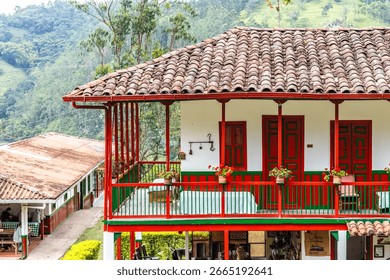
Salento, Colombia. The name conjures images of lush green hills, the aroma of freshly brewed coffee, and a vibrant culture that welcomes you with open arms. Nestled in the heart of Colombia's famed coffee region, Salento is more than just a pretty picture; it's a living testament to the harmonious blend of natural beauty and cultural richness. As a retired architect with a lifelong passion for sustainable tourism and a keen eye for architectural detail, my recent trip to Salento was an experience that resonated deeply. I embarked on this journey with a commitment to supporting local businesses, minimizing my environmental impact, and immersing myself in the authentic spirit of this Colombian gem. From the moment I arrived, I knew I had stumbled upon something truly special, a place where sustainability isn't just a buzzword, but a way of life. I'm excited to share my experiences and insights with you, hoping to inspire your own responsible adventure to this unforgettable corner of the world.
From Bean to Cup: A Sustainable Coffee Journey at Finca El Ocaso
No trip to Salento is complete without delving into the world of coffee. I chose to experience this firsthand at Finca El Ocaso, a family-owned finca that embodies the principles of sustainable coffee cultivation. The Salento coffee tour wasn't just a demonstration; it was an immersion into the passion and dedication of the local farmers.
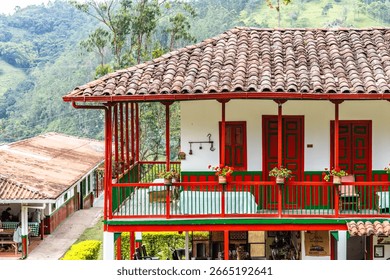
The process began with the careful selection of ripe, red coffee cherries, a task I was fortunate enough to participate in. The family patiently explained the importance of picking only the perfectly ripe cherries to ensure the highest quality flavor. We then witnessed the depulping, fermenting, washing, and drying stages, each meticulously carried out with a deep respect for the environment. The air was thick with the intoxicating aroma of drying beans, a sensory feast that awakened my senses. The architectural style of the finca itself was charming, a blend of traditional Colombian design with modern sustainable elements. The main house featured a spacious veranda overlooking the coffee fields, providing a panoramic view of the surrounding landscape. Constructed primarily of wood and bamboo, the structure seamlessly integrated with its natural surroundings. The use of locally sourced materials, such as guadua bamboo, reflected a commitment to minimizing environmental impact and supporting local artisans.
But the highlight of the tour was undoubtedly the roasting and brewing process. We learned about the art of roasting, carefully monitoring the beans as they transformed from green to a rich, dark brown. Finally, we had the opportunity to taste the fruits of our labor, savoring a cup of freshly brewed coffee, prepared using the traditional tinto method. The experience highlighted how Salento coffee region farms are both family and ecologically centered.
Witnessing the Coffee Farmer's Passion (Viral Video Concept)
Imagine this:
(HOOK): A close-up time-lapse of a coffee bean rapidly sprouting, filmed in macro, 4K cinematic quality. The bean bursts open with vibrant green shoots in rapid succession.
(SCENE): Cut to a close-up of a coffee farmer's weathered hands expertly harvesting ripe, red coffee cherries under the bright golden hour lighting of a Colombian sunset. Slow-motion shots of coffee beans being meticulously sorted by color and size. A smooth, cinematic drone shot slowly orbits a colorful coffee plantation sprawling across rolling green hills.
(TWIST): The farmer, facing the camera directly, offers the viewer a steaming cup of freshly brewed coffee, breaking the 4th wall with a warm smile and says, "This taste embodies the history and nature of Salento, will you join us?".
This video captures the heart of the Colombian coffee experience, inviting viewers to witness the passion and dedication that goes into every cup.
Horseback Riding Through the Surreal Cocora Valley
The Cocora Valley, home to the towering wax palm trees (Colombia's national tree), is an experience that words can hardly capture. I opted for a sunrise horseback ride, a decision I wholeheartedly recommend. As the first rays of sunlight painted the mist-covered mountains in hues of gold and pink, the valley came alive in a symphony of colors.
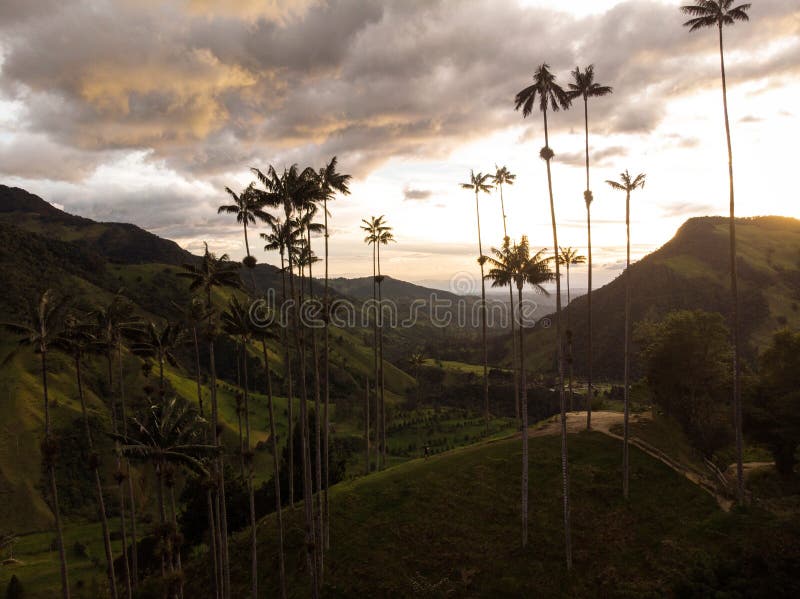
The Cocora Valley hike is a must-do, but seeing it from horseback added another dimension to the experience. The sheer height of the wax palm trees is awe-inspiring, their slender trunks reaching impossibly towards the sky. Their presence creates a landscape that feels both familiar and otherworldly. Along the way, I spotted a traditional Colombian house, its architectural structure a testament to the ingenuity of the local builders. Constructed from a combination of wood, bamboo, and clay, the house featured a steeply pitched roof designed to withstand the heavy rains of the region. The walls were thick and sturdy, providing insulation from the heat and cold. The use of natural materials and traditional construction techniques reflected a deep connection to the land and a respect for the environment. How to get to Cocora Valley from Salento? The colorful Willy jeeps are an easy and charming option.
360-Degree Panoramic View of Cocora Valley
[Insert 360-degree panoramic photo here with interactive markers indicating: tallest wax palm, elevation, a specific farm]. This panoramic view allows you to immerse yourself in the breathtaking beauty of Cocora Valley, experiencing the landscape from a unique perspective.
Tejo: An Explosive Cultural Experience
To truly understand the culture of Salento, you must experience tejo, Colombia's explosive national sport. I ventured into a local bar to witness (and attempt to participate in) a traditional tejo match. Tejo Colombia game is unlike anything I've ever seen.
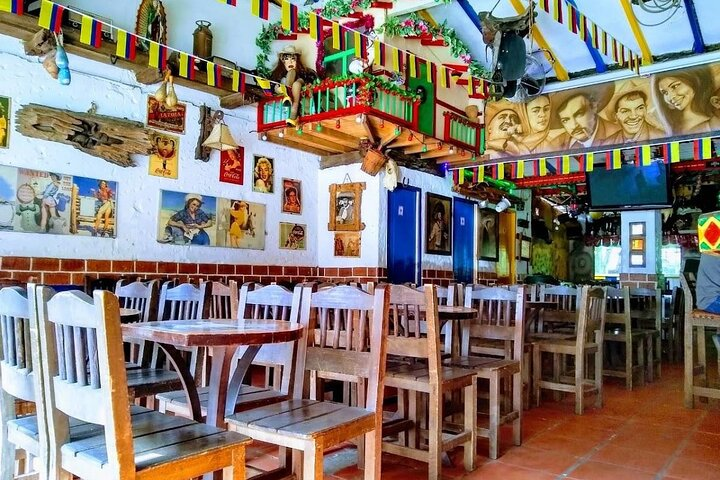
The game involves throwing a metal puck (the tejo) at a clay target embedded with small packets of gunpowder. The objective is to hit the target and set off the gunpowder, resulting in a satisfying explosion. The bar itself was a simple, unadorned structure, its walls adorned with posters of local sports teams and advertisements for Aguardiente, Colombia's national liquor. The architecture was functional and utilitarian, designed to provide a space for locals to gather, socialize, and enjoy a game of tejo. The social dynamics were fascinating to observe, the locals laughing, cheering, and teasing each other with a boisterous energy that was infectious. The atmosphere was one of camaraderie and good-natured competition. How to play tejo Colombian national sport? Ask a local, they will be more than happy to explain!
A Culinary Journey Through Salento
The cuisine of Salento is a reflection of its rich agricultural heritage. I savored the Traditional Colombian food Salento offers at every opportunity. One of my favorite dishes was Trucha al Ajillo (garlic trout), which I enjoyed at a riverside restaurant. The trout was incredibly fresh, its delicate flavor enhanced by the simple yet flavorful garlic sauce.
I also indulged in Bandeja Paisa, a hearty platter of beans, rice, meat, avocado, and fried egg. This dish is a true reflection of the region's history and traditions, a testament to the resourcefulness and resilience of the Colombian people. No culinary journey through Salento would be complete without sampling the local coffee. I experimented with different brewing methods, from the traditional tinto to the more modern French press, each revealing subtle nuances in flavor and aroma.
Sustainable Choices: Eco-Lodges, Willy Jeeps, and Local Crafts
Throughout my trip, I made a conscious effort to support local businesses and minimize my environmental impact. I chose to stay in eco-lodges that prioritize sustainability, utilize renewable energy, and promote responsible tourism. What are the best sustainable hotels and hostels in Salento Colombia? Search online for eco-lodges. I utilized the colorful Willy jeeps, a form of public transportation that is both charming and environmentally friendly. I also purchased handmade crafts from local artisans, supporting their livelihoods and preserving traditional crafts. I made sure to ask, "Is Salento Colombia safe for tourists?" before making my travel arrangements. Staying in eco-lodges reflects eco-friendly travel Colombia and an effort to preserve natural resources.
Salento: A Call to Responsible Adventure
My journey through Salento was an unforgettable experience, a testament to the power of sustainable tourism and the beauty of Colombian culture. From the coffee farms to the Cocora Valley, every corner of this region resonated with a spirit of warmth, hospitality, and respect for the environment. I urge you to visit Salento responsibly, supporting local businesses, minimizing your environmental impact, and immersing yourself in the authentic spirit of this Colombian gem. How long should I spend in Salento Colombia? At least three days to see all the local attractions. Salento Colombia travel itinerary architect is a unique way to see the region. Salento is calling - will you answer?