Salar de Uyuni: Astrophotography Under the Milky...
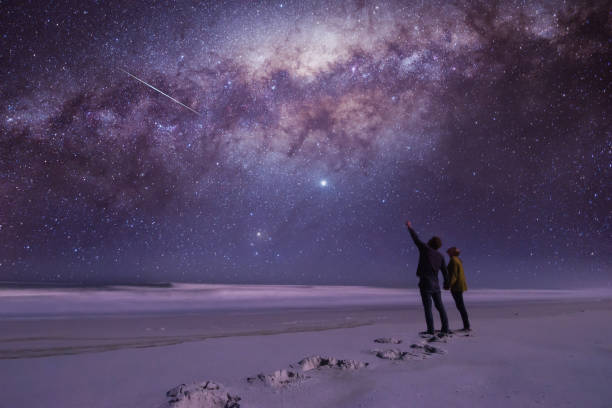
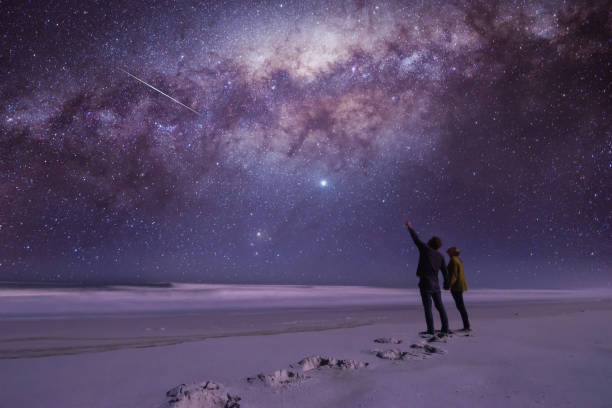
Imagine yourself, surrounded by the surreal, mirror-like expanse of the Salar de Uyuni, the Bolivian salt flats. Above you, the Milky Way blazes with unparalleled clarity. You’re not just a tourist; you’re a digital nomad, seamlessly blending remote work with the adventure of a lifetime, capturing stunning astrophotography images under the darkest skies on Earth. This guide will show you how to make that dream a reality, balancing your work deadlines with the incredible opportunity to capture celestial wonders.
The Allure of Salar de Uyuni for Astrophotography
The Salar de Uyuni is more than just a breathtaking landscape; it's an astrophotographer's paradise. Its vast, flat surface creates a unique reflective effect, amplifying the brilliance of the night sky. Combined with its high altitude and minimal light pollution, it offers unparalleled conditions for capturing the cosmos. Imagine coding under the Milky Way—a reality you can achieve. For digital nomads, this presents a unique opportunity: to explore a world-renowned location while maintaining a productive work schedule.
Gear Up: Astrophotography Essentials for Digital Nomads
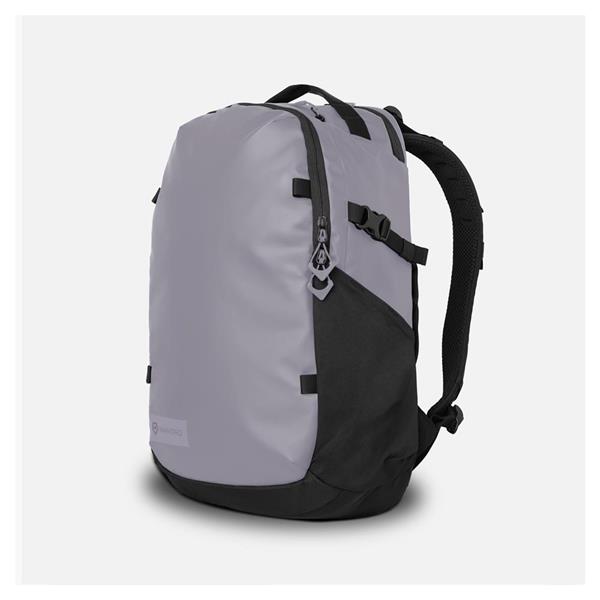
Packing the right gear is crucial for a successful astrophotography trip. Here's a breakdown of essentials that balance performance with portability:
- Camera: A full-frame DSLR or mirrorless camera with good low-light performance is ideal.
- Lenses: Wide-angle lenses (14-24mm) are perfect for capturing the vastness of the Milky Way.
- Tripod: A sturdy tripod is essential for long-exposure shots.
- Star Tracker: Consider a portable star tracker like the Sky-Watcher Star Adventurer to counteract the Earth's rotation and capture sharper images. This will need an external power source like the Goal Zero Yeti 500X.
- Laptop: A reliable laptop like the Dell XPS 15 is a must for processing images and staying connected.
- Software: Siril and other stacking software helps to reduce noise and pull out the most light from the photographs you take.
- Power: Reliable power is essential. A Goal Zero Yeti 500X or similar power station is a must.
Remember to pack light and prioritize gear that's both functional and easy to transport. And don't forget the Empanadas de la Abuela Elena for a delicious and portable snack!
Balancing Work and Wonder: The Digital Nomad Lifestyle in Uyuni
Successfully blending remote work with astrophotography in the Salar de Uyuni requires careful planning and time management. Here's how to strike the perfect balance:
- Schedule: Set clear work hours and stick to them. Dedicate specific nights for astrophotography shoots, ensuring you have adequate rest in between.
- Internet Access: Research reliable internet options. While connectivity can be challenging, some accommodations offer satellite internet. Consider a local SIM card for backup.
- Accommodation: Choose accommodations that cater to digital nomads. Look for lodging with comfortable workspaces and power outlets.
- Prioritize: Decide what's most important—meeting deadlines or capturing the perfect shot. Be prepared to adjust your schedule based on weather conditions and work demands.
- Embrace the Experience: Be sure to balance work with the experience of the Altiplano culture and local foods.
Conquering the Technical Challenges of High-Altitude Astrophotography
Astrophotography at high altitudes presents unique challenges. The thin air can affect equipment performance and your own physical well-being.
- Altitude Sickness: Acclimatize gradually to avoid altitude sickness. Drink plenty of water, avoid alcohol, and consider consulting your doctor about medication.
- Equipment Performance: Be aware that camera batteries may drain faster in cold conditions. Keep them warm and carry spares.
- Condensation: Protect your equipment from condensation, which can form rapidly in the cold night air. Use lens warmers or silica gel packets to absorb moisture.
- Wind: The Salar de Uyuni can be windy. Use a sturdy tripod and consider weighting it down for stability.
Choosing the Right Salar de Uyuni Astrophotography Tour
Several tour operators offer astrophotography-focused excursions in the Salar de Uyuni. Here's what to look for when choosing a tour:
- Expert Guides: Select tours led by experienced astrophotographers who can provide technical guidance.
- Small Group Sizes: Opt for smaller groups to ensure personalized attention.
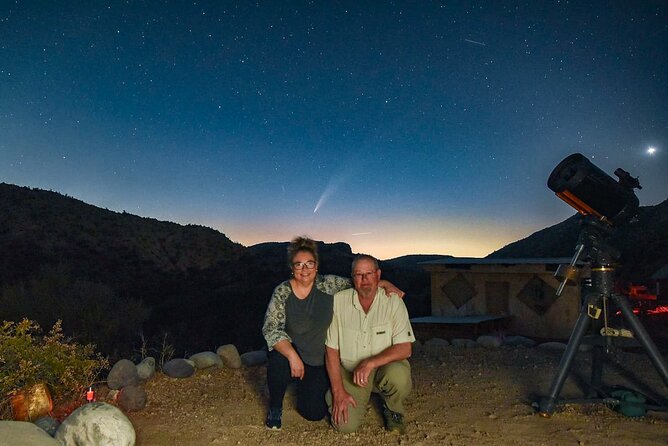
- Equipment Support: Some tours provide telescopes and other equipment.
- Accommodation: Check the quality of the accommodation included in the tour package. Does it offer reliable power and workspaces?
- Ethical Considerations: Ensure tours prioritize sustainability and respect for local communities. Look for "Salar de Uyuni Ethical Photography Tours".
Compare Salar de Uyuni Digital Nomad Packages to find the best fit for your budget and preferences. Visit Vistalocation.com to learn more.
Reliable Internet: Staying Connected in the Bolivian Salt Flats
One of the biggest concerns for digital nomads in the Salar de Uyuni is internet connectivity. While it's not always reliable, here are some options to explore:
- Satellite Internet: Some hotels and lodges offer satellite internet, although speeds can be slow and expensive.
- Local SIM Card: Purchase a local SIM card with a data plan. Coverage can be patchy, but it's a good backup option.
- Mobile Hotspot: Consider using a mobile hotspot device to create a Wi-Fi network from your SIM card.
- Plan Ahead: Download essential files and content before your trip. Be prepared for periods of limited or no internet access.
- Salar de Uyuni Data Plans: Research in advance where best to get connected.
Capturing the Perfect Shot: Astrophotography Tips for the Salar
Here are some tips for capturing stunning astrophotography images in the Salar de Uyuni:
- Scout Locations: Visit your chosen location during the day to scout for the best vantage points and compositions.
- Shoot in RAW: Shoot in RAW format to capture the most detail and flexibility for post-processing.
- Use Long Exposures: Experiment with long exposure times (30 seconds or longer) to capture faint stars and nebulas.
- Focus Carefully: Use live view and manual focus to achieve sharp focus on the stars.
- Minimize Light Pollution: Turn off any unnecessary lights and shield your camera from stray light.
- Stack Images: Use stacking software such as Siril to combine multiple exposures to reduce noise and enhance detail.
- Best camera setting for Salar de Uyuni astrophotography: Use ISO settings, aperture, and shutter speeds that meet the scene.
Beyond Stargazing: Exploring the Salar de Uyuni
While astrophotography is a major draw, the Salar de Uyuni offers a wealth of other experiences for digital nomads:
- Train Cemetery: Explore the eerie Train Cemetery, a collection of abandoned locomotives from the early 20th century.
- Incahuasi Island: Visit Incahuasi Island, a rocky outcrop covered in giant cacti.
- Salt Hotels: Stay in a unique hotel built entirely of salt.
- Lagunas: Discover the colorful lagoons of the Altiplano, home to flamingos and other wildlife.
- Altiplano Hiking Digital Nomad Guide: Explore the surrounding terrain by foot, always taking proper safety precautions.
Don't miss the chance to immerse yourself in the local culture and sample Bolivian cuisine. Try Salteñas or Pique Macho—delicious dishes that will fuel your adventures.
Safety First: Staying Safe in the Salar de Uyuni
The Salar de Uyuni is a remote and challenging environment. Prioritize your safety by following these tips:
- Travel Insurance: Purchase comprehensive travel insurance that covers medical emergencies and evacuation.
- Altitude Sickness: Acclimatize gradually and seek medical attention if you experience symptoms of altitude sickness.
- Sun Protection: Protect yourself from the intense sun with sunscreen, sunglasses, and a hat.
- Stay Hydrated: Drink plenty of water to avoid dehydration.
- Inform Someone: Let someone know your itinerary and check in regularly.
- Be Aware of Scams: Be cautious of scams and petty theft.
Digital Nomad Safety Salar de Uyuni
Bolivia has its dangers, so it is important to always be aware of your surroundings and to listen to your gut when it comes to your safety.
Conclusion: Your Astrophotography Adventure Awaits
Combining the digital nomad lifestyle with astrophotography in the Salar de Uyuni is an unforgettable experience. While it requires planning and preparation, the rewards are immense. Imagine yourself capturing the Milky Way's brilliance, knowing you've balanced your work responsibilities with the pursuit of your passion.
Ready to embark on your own astrophotography adventure? Visit Vistalocation.com to explore our Salar de Uyuni Photography Tours and start planning your trip today. Don't forget to pack your Dell XPS 15, your telescope, and your sense of adventure!