Salar de Uyuni: A Photographer's Geometric Dream...
As a travel photographer, I've always been drawn to capturing geometric abstractions within natural landscapes. The stark lines of sand dunes, the fractal patterns of river deltas – these are the elements that truly ignite my creative passion. But nothing, and I mean nothing, could have prepared me for the surreal, mind-bending beauty of the Salar de Uyuni and the vibrant hues of Laguna Colorada in Bolivia. This isn't just a trip; it's an immersion into a world where reality blurs and the possibilities for photographic exploration are limitless. This is my journey, and my ultimate Salar de Uyuni travel guide.
Laguna Colorada: A Symphony of Pink and White
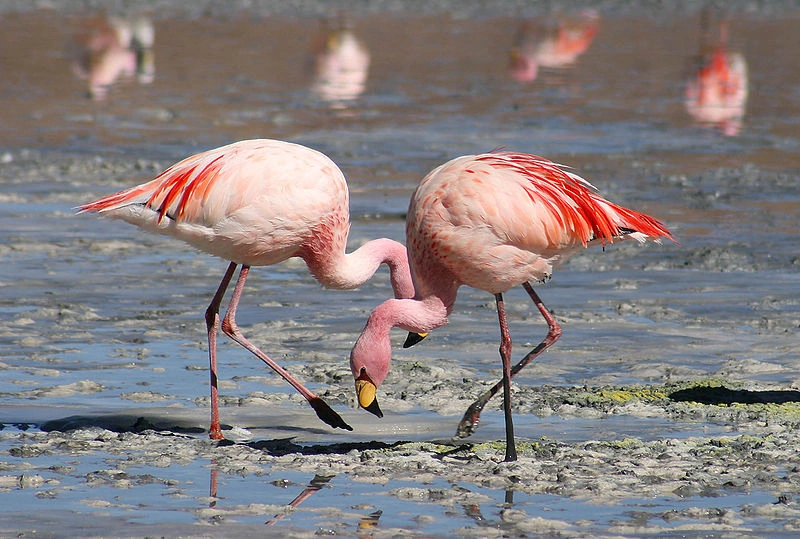
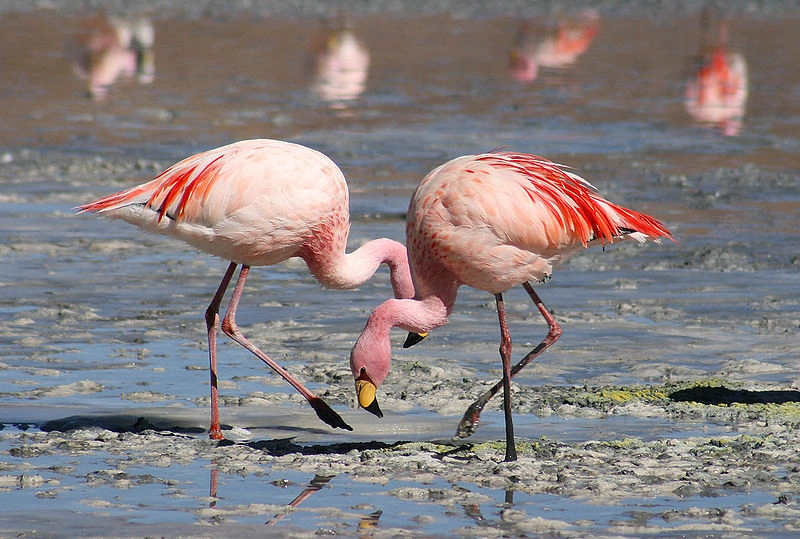
Laguna Colorada, or the Red Lagoon, is a high-altitude salt lake that’s a haven for three species of flamingos, most notably James's flamingos. Witnessing these elegant birds in their natural habitat was breathtaking. Their synchronized feeding behavior, the way they dip their beaks into the crimson water, creating ripples that mirrored the surrounding mountains – it was a ballet of nature.
To capture these moments, I highly recommend bringing a telephoto lens. I used my Sony FE 200-600mm f/5.6-6.3 G OSS, and it was perfect for capturing detailed shots of the flamingos without disturbing them. The high altitude (around 14,000 feet) added a layer of complexity; I found myself short of breath after just a few minutes of running around trying to get the perfect angle. One particularly funny moment involved me tripping over a small rock, nearly face-planting into the shallow water while trying to adjust my tripod. But hey, the shot I got after that tumble was totally worth it! Just remember to pace yourself, stay hydrated, and take breaks when needed. High altitude photography tips are crucial in this environment.
Starry Success: The Milky Way Brenizer Method
One of the highlights of my recent photography workshop on the Salar de Uyuni was witnessing a participant successfully combine the Brenizer Method with star trail photography to create a truly stunning portrait. They captured the Milky Way arching majestically above their subject, resulting in an image that felt both ethereal and grounded in the stark reality of the salt flats.
Here's the step-by-step process for creating your own "Milky Way Brenizer":
- Planning is Key: Scout your location during the day and determine the composition you want. Use a fast lens (f/2.8 or faster) and a wide aperture.
- Set Your Settings: Focus manually on your subject. For the sky, use a wide aperture (e.g., f/2.8) and a high ISO (e.g., 3200 or 6400) to capture the stars. Shutter speed will depend on the focal length to minimize star trails. A good starting point is the 500 rule (500 / focal length = maximum exposure time in seconds).
- Shoot the Panorama: Begin by shooting a series of overlapping images around your subject, ensuring each image overlaps the previous one by at least 20-30%. Focus on maintaining consistent exposure throughout. Then shoot a series of images around your subject, focusing on the background stars.
- Stack the Star Images: Use a program like Starry Landscape Stacker to reduce noise and enhance the stars in each image. Stack the images from the sky together. Starry Landscape Stacker can be found here: Starry Landscape Stacker
- Blend in Photoshop: Open both the stitched panorama and the stacked star image in Adobe Photoshop. Create a layer mask on the star image layer and carefully paint over the areas where you want the stars to be visible, blending them seamlessly with the foreground panorama. Adobe Photoshop blending star trails tutorials are available on YouTube.
This technique requires patience and a bit of post-processing skill, but the results are absolutely worth the effort.
Giant Polygons of the Salar de Uyuni: Nature's Geometry
Forget those generic salt polygons you see in most Salar de Uyuni photos. I'm talking about the giant polygons that form after heavy rainfall. These behemoths can be several meters across and offer a completely different perspective on the salt flats.
The key is to find them early in the morning. The soft, diffused light and the dramatic shadows accentuate their scale, transforming them into abstract sculptures. Look for areas where water has recently receded; these are prime breeding grounds for these geometric giants. How to photograph giant polygons Salar de Uyuni? Get low, use a wide-angle lens, and play with the shadows.
Ojos de Sal: The Eyes of the Salt Flat
The ojos de sal (eyes of salt) are unusual geological formations where subterranean water flows to the surface. They're fascinating to observe and photograph, but it's crucial to approach them carefully and respectfully. This is where Salar de Uyuni photography ethics become important.
I recommend using a wide-angle lens, like the Sigma 14mm f/1.8 DG HSM Art, to capture the unusual subterranean water flow and the surrounding textures. Focus on capturing the intricate patterns created by the water as it interacts with the salt crust. The patterns are mesmerizing and unique to each ojo de sal.
Salteñas in Uyuni: A Culinary Adventure
No trip to Uyuni is complete without indulging in the local cuisine, and for me, that means salteñas. Specifically, Salteñas Don Lucho is where it's at. Their salteña de quinua is a game-changer. The quinoa filling has a unique flavor profile – a subtle sweetness combined with savory spices – that's unlike anything I've ever tasted. Where to eat Salteñas Uyuni best restaurant? Salteñas Don Lucho, without a doubt.
Pair it with Api, a warm, sweet corn beverage, for the quintessential Uyuni culinary experience. Plus, you can feel good about enjoying this delicious treat knowing that quinoa is packed with nutrients!
Incahuasi Island: Cacti Silhouettes Against the Setting Sun
Incahuasi Island, a rocky outcrop covered in giant cacti, provides a welcome change of scenery from the endless white expanse of the salt flats. The Trichocereus pasacana cacti are the stars of the show here.
My favorite time to photograph them is during the setting sun. Creating silhouette compositions against the vibrant sky is incredibly rewarding. I recommend using a graduated neutral density filter to balance the exposure between the bright sky and the darker foreground. This allows you to capture the full dynamic range of the scene. Don't forget to try capturing the starburst effect around the cacti spines by using a small aperture (f/16 or smaller). How to photograph cacti Incahuasi Island sunset? Be patient, use a tripod, and experiment with different compositions.
Viral Video Concept: Dinosaur Salteña Date on the Salar
Imagine this:
HOOK: A miniature T-Rex, comically oversized against the vast landscape, snatches a brightly colored salteña from a plate.
SCENE: A romantic date scene unfolds on the expansive, reflective surface of the Salar de Uyuni under the warm glow of golden hour lighting. A table with a crisp white tablecloth, flickering candlelight, and fine china sits in the middle of the salt flats. A waiter, impeccably dressed, stands ready to serve. Shot in cinematic 4K with a professional camera, using shallow depth of field to isolate the couple.
TWIST: As the camera slowly pulls back and orbits around the scene, it's revealed that this couple is having a romantic dinner on the Salar de Uyuni, complete with a waiter (another member of their group). The absurdity of the scene creates humor and a sense of surrealism.
This concept is designed to go viral because it's unexpected, funny, and visually stunning. It plays on the surreal nature of the Salar de Uyuni and creates a memorable experience for viewers.
Cinemagraph: Bolivian Flag Condor
Picture a cinemagraph of the Bolivian flag, but with a twist. The flag itself remains perfectly still, fluttering gently in the wind. But the condor, the majestic bird emblazoned on the flag, comes to life. Its wings subtly flapping in the wind, creating a mesmerizing and almost hypnotic effect.
This can be achieved using Adobe Premiere Pro's masking and tracking tools. Simply isolate the condor's wings and animate them using a looping motion, while keeping the rest of the flag and the background motionless. This is a great way to capture the essence of Bolivia in a unique and visually captivating way. How to create a Cinemagraph? There are several tutorials online, or maybe that's a topic for a future workshop!
Join Me Live for a Salar de Uyuni Photo Review!
I'm excited to announce an upcoming live Q&A session on Instagram where I'll be reviewing reader-submitted photos taken at the Salar de Uyuni! I'll be providing personalized feedback, editing tips, and answering your questions about photography in this incredible landscape.
To participate, simply post your photos on Instagram using the hashtag #SalarWithMateo. I'll be selecting photos to review during the live session, so make sure to tag your best shots! Stay tuned to my Instagram page for the date and time of the live Q&A. This is a perfect opportunity to learn and grow as a photographer, and connect with other passionate travelers.
The Silence of the Salar: A Profound Inspiration
As I reflect on my time in the Salar de Uyuni, one thing stands out above all else: the silence. At night, the silence is so profound, so complete, that it's almost deafening. It's a silence that strips away the noise of the world and allows you to connect with something deeper within yourself.
This unexpected silence had a profound effect on my creativity. It allowed me to slow down, to observe the landscape with new eyes, and to find inspiration in the smallest of details. It was an almost spiritual experience that fueled my artistic vision and reminded me why I love capturing the beauty of our planet. The Salar de Uyuni is more than just a destination; it's a transformative journey for the soul.