Salar de Uyuni - A Photographer's Dream (and How...
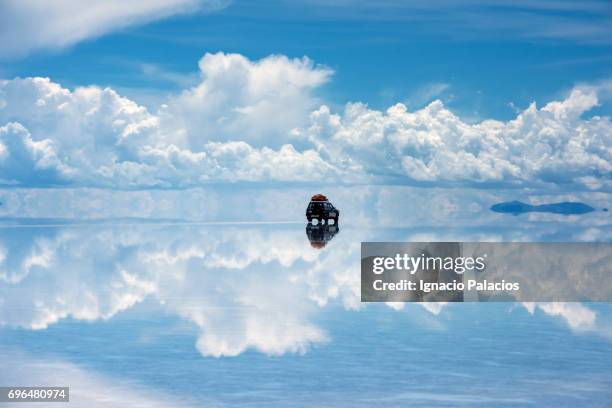
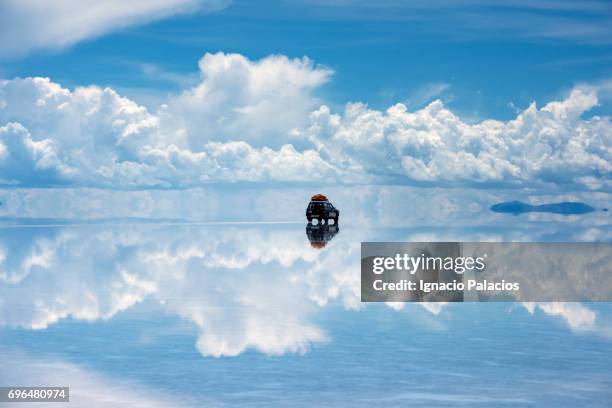
Forget Machu Picchu for a minute. Imagine stepping onto an endless canvas of sky, where the ground reflects every cloud, every sunrise, every star. I just returned from Salar de Uyuni, Bolivia, during the rainy season (December), and my camera hasn't stopped buzzing since. It's not just a landscape; it's an optical illusion factory, a place where you question reality with every click. In this Salar de Uyuni photography guide, I'll share essential tips and tricks to capture the magic yourself, and how Vistalocation.com can help you book your dream trip.
The Arrival & Aymara Ceremony
The moment I stepped off the plane in Uyuni, I felt the altitude (3,656 meters / 12,000 feet!). The air is thin, crisp, and carries the scent of dry earth and distant rain. We immediately set off for a small Aymara village outside Colchani. I was fortunate enough to witness (and participate in, respectfully) a traditional Pachamama ceremony. The Yatiri (spiritual leader) offered coca leaves, incense made from dried llama fat, and a chicha (corn beer) to Mother Earth, chanting in Aymara for blessings and a safe rainy season.
The rhythmic drumming and chanting created an atmosphere of profound connection, reminding me that this surreal landscape is also deeply sacred. I captured some images with a wide angle lens to show the scale of the ceremony with the endless background of the salt flat. Remember when planning your Bolivia photography tour, respecting the local culture is just as important as capturing stunning images.
Experiencing Aymara Culture and Traditions
Participating in an Aymara ceremony offers a deeper understanding of the Altiplano's spiritual connection. Photographing respectfully means asking for permission and avoiding intrusive behavior. Be mindful of the sacredness of the rituals. The best way to experience Aymara culture Salar de Uyuni offers is through guided tours that prioritize ethical and respectful interactions.
Gear & Techniques: Tilt-Shift & Time-Lapse
My primary goal was to capture the "Salar de Uyuni mirror effect photography" in all its glory. My trusty Canon EOS 5D Mark IV paired with a Canon TS-E 24mm f/3.5L II tilt-shift lens was my weapon of choice. The tilt-shift allowed me to manipulate perspective, creating miniature-like effects and emphasizing the converging lines of the reflected clouds.
I spent hours setting up time-lapses near Isla Incahuasi, the famous island covered with giant cacti. The cacti against the infinite reflective sky were breathtaking, I especially love the cacti's sharp angles against the soft blurred water. The crunch of salt crystals under my boots, mixed with the constant clicks of my shutter, became my soundtrack for days.
Essential Photography Tips for Salar de Uyuni
- Use a Polarizer Filter: Reduce glare and enhance colors, especially during midday.
- Protect Your Gear: The salt dust is pervasive. Use weather-sealed equipment and cleaning cloths.
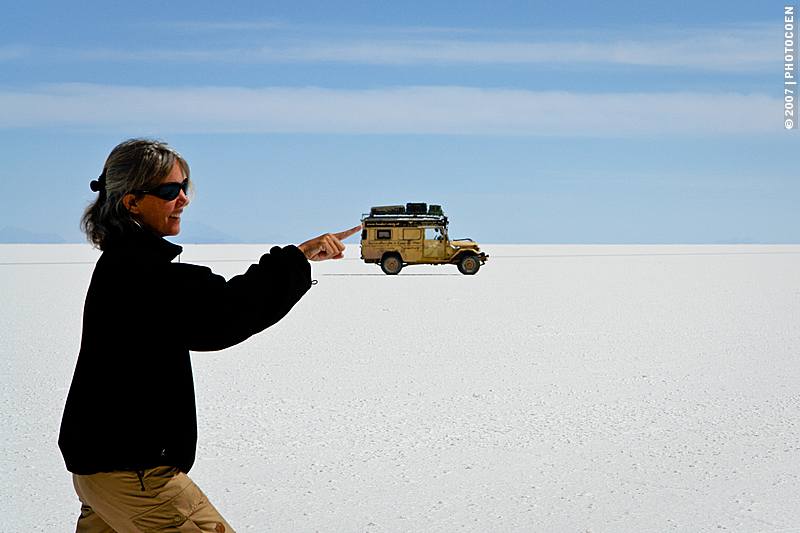
- Experiment with Forced Perspective: The endless horizon is perfect for creating optical illusions.
- Shoot in RAW: Capture maximum detail for post-processing.
- Bring Extra Batteries: The cold and altitude drain batteries quickly.
Incahuasi Island & Giant Cacti
Speaking of Incahuasi Island, make sure to take time to walk around the island. Capture the towering cacti (some over 10 meters tall!) against the backdrop of the Salar. The contrast between the earthy, grounded cacti and the ethereal sky is mesmerizing. Use a polarizer filter to reduce glare and enhance the colors, especially during midday when the sun is harsh. Remember to pack plenty of water, as the altitude and sun can be dehydrating. To photograph giant cacti Incahuasi Island, consider using a wide-angle lens to capture their full scale against the vast landscape.
Stargazing & Astrophotography
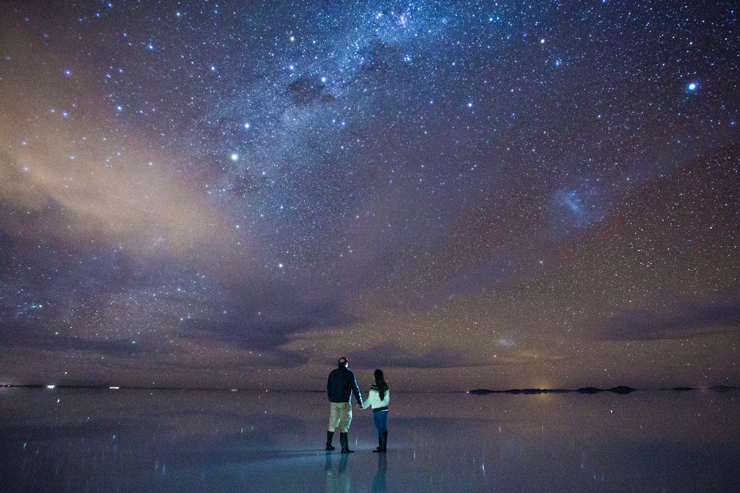
At night, the Salar transforms into a celestial stage. With almost zero light pollution, the Milky Way explodes across the sky. I used a wide-angle lens (Sigma 14mm f/1.8 DG HSM Art) and a star tracker mount (Sky-Watcher Star Adventurer Pro) to capture long-exposure shots of the Milky Way reflected in the shallow water. The feeling of standing under an infinite canopy of stars, with the same stars mirrored beneath your feet, is indescribable. This is a truly unique Salar de Uyuni astrophotography experience.
Photographing the Milky Way above Salar de Uyuni
- Use a Wide-Angle Lens: Capture as much of the sky as possible.
- Invest in a Star Tracker: Allows for longer exposures without star trails.
- Find a Dark Location: Minimize light pollution for the best results.
- Shoot in RAW: Essential for post-processing and noise reduction.
- Use a Remote Shutter Release: Avoid camera shake during long exposures.
Drone Hyper-lapse & Moving Water
My DJI Mavic 3 Pro proved invaluable for capturing aerial hyper-lapses. The goal was to document the ever-shifting patterns of water across the Salar's surface. The way the wind sculpts the water, creating fleeting rivers and swirling pools, is incredible. When attempting Salar de Uyuni drone photography, ensure you are aware of and adhere to local regulations.
Food & Sensory Experiences
No trip to Bolivia is complete without experiencing the local cuisine. My favorite? Salteñas from a local vendor in Uyuni – the savory slow-cooked beef stew inside the pastry shell was incredible. The first bite is explosive, a burst of spices and savory meat, followed by the slightly sweet dough. I also highly recommend trying quinoa soup, especially beneficial at high altitude for its protein and nutrients. And don't be afraid to sample llama jerky. It’s chewy, slightly salty, and has a unique earthy flavor. Don't miss the chance to best Bolivian food try Salar de Uyuni.
Landscape & Optical Illusions
The Salar is a master of optical illusions. The horizon disappears, creating the illusion of floating in space. Embrace the vastness. Let your camera capture the surreal. Also make sure to venture to the Siloli Desert. The Arbol de Piedra (Stone Tree) rock formation is a testament to the power of wind erosion. Try to capture forced perspective Salar de Uyuni to emphasize the landscape's surreal qualities.
What to Expect from a Photography Guide
A Salar de Uyuni photography guide is essential for maximizing your experience. A good guide provides:
- Expert knowledge of the best photo spots.
- Assistance with gear and techniques.
- Help with navigating the altitude and climate.
- Facilitation of cultural experiences.
- Transportation and logistical support.
When is the best time to visit Salar de Uyuni for the mirror effect?
The best time to photograph Salar de Uyuni for the mirror effect is during the rainy season, typically from December to April. The presence of shallow water creates the reflective surface.
How to prepare for altitude sickness in Salar de Uyuni?
To prepare for altitude sickness in Salar de Uyuni, take these steps:
- Acclimatize gradually by spending a few days at a lower altitude before arriving in Uyuni.
- Drink plenty of water to stay hydrated.
- Avoid alcohol and strenuous activity.
- Consider taking medication like acetazolamide (Diamox) after consulting with a doctor.
- Chew coca leaves, a traditional remedy for altitude sickness.
Salar de Uyuni photography tour price
A Salar de Uyuni photography tour price can vary widely depending on the duration, accommodation, and level of service. Basic tours can start around $150 USD, while specialized photography tours with expert guides and better accommodation can cost upwards of $500 USD.
Salar de Uyuni safety tips.
Is it safe to visit Salar de Uyuni alone?
Visiting Salar de Uyuni alone can present safety concerns. It's advisable to travel with a reputable tour operator due to the remote location, harsh weather conditions, and potential for getting lost.
Concluding Paragraph
Salar de Uyuni is more than just a destination; it's an experience that will redefine your perception of landscape and photography. Pack your camera, prepare for the altitude, and get ready to witness a world unlike any other. Vistalocation.com can help you book your dream trip. Book Your Salar de Uyuni Photography Tour Today!