Salar de Uyuni: A Minimalist's Dreamscape
The S...
The Salar de Uyuni in Bolivia isn't just the world's largest salt flat; it's a canvas for the soul, a place where the earth meets the sky in a seamless, breathtaking panorama. As a travel photographer specializing in abstract and minimalist landscapes, I'm always seeking locations that offer a unique perspective, a sense of stillness, and the opportunity to capture the essence of a place with as few elements as possible. The Salar, with its vastness, stark white surface, and ethereal light, is a minimalist's dream come true, providing endless opportunities for stunning, evocative imagery. This review details my recent trip and offers advice to help you capture your own minimalist masterpieces on this otherworldly landscape. My adventure took me from capturing the famous Salar de Uyuni mirror effect to stargazing under some of the darkest skies on earth.
Planning for the Mirror Effect: A Photographer's Challenge
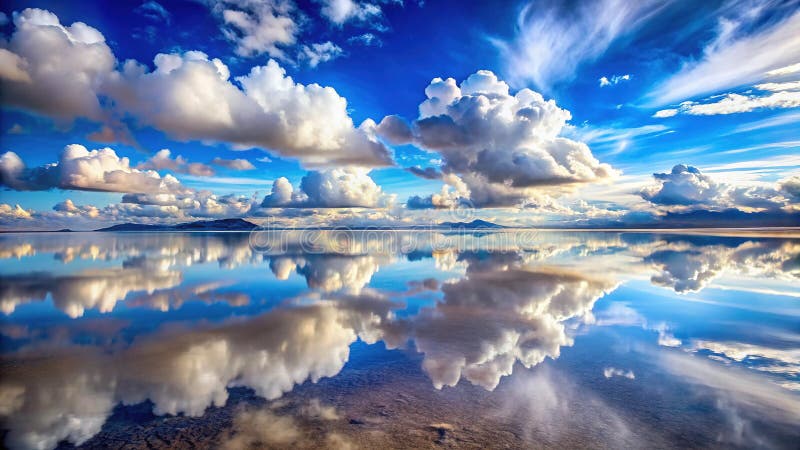
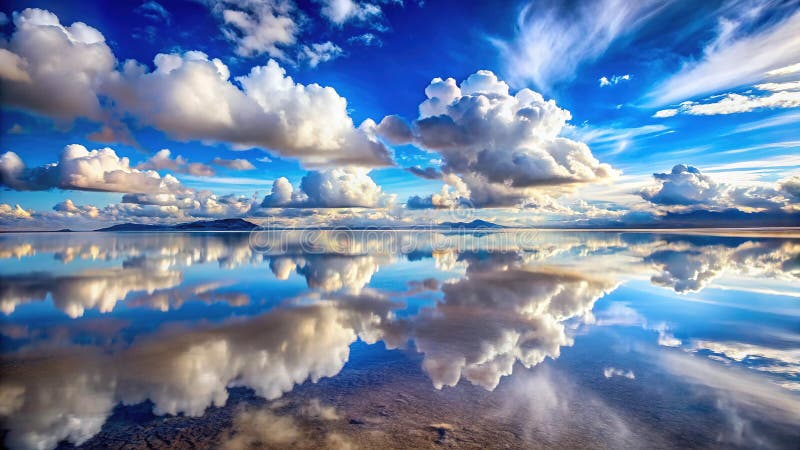
One of the most iconic images of the Salar de Uyuni is the "mirror effect," which occurs during the wet season (roughly December to April) when a thin layer of water covers the salt flats, creating a perfect reflection of the sky. Planning my trip around this phenomenon was paramount. The challenge, however, lies in the unpredictability of the weather. Finding that perfect balance – enough water for a reflection, but not so much that it obscures the salt beneath – requires patience and a bit of luck. When the conditions aligned, the effect was truly surreal. The horizon simply vanished, and the world transformed into an endless expanse of sky and cloud, blurring the lines between reality and illusion.
I primarily used my Sony 16-35mm f/2.8 GM lens to maximize the wide-angle perspective, allowing me to capture as much of the reflection as possible. The distortion at the edges adds to the dreamlike quality of the images.
The Train Cemetery: A Sunrise Requiem
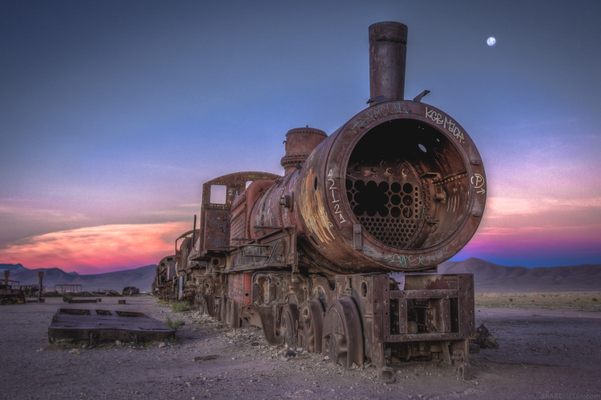
The Train Cemetery, a collection of rusting locomotives abandoned decades ago, offers a stark contrast to the pristine white of the salt flats. It's a somber yet strangely beautiful place, particularly at sunrise. The goal was to capture the textures of the decaying trains against the minimalist backdrop of the Salar, conveying a sense of history and decay.
Arriving well before dawn was crucial to secure a good vantage point and capture the soft, golden light as it illuminated the trains. I used my Peak Design Carbon Fiber Travel Tripod to ensure stability for long-exposure shots, allowing me to smooth out the harsh textures and create a more ethereal feel. The key was to focus on the details – the peeling paint, the broken windows, the intricate ironwork – and to frame them against the vast emptiness of the Salar.

Isla Incahuasi: Cactus Silhouettes at Sunset
Isla Incahuasi, a rocky outcrop covered in giant cacti, provides another striking visual contrast on the Salar. Capturing the island at sunset was a deliberate choice, aiming for a silhouette effect that would emphasize the organic shapes of the cacti against the geometric purity of the salt flats.
Using my Sony 70-200mm f/2.8 GM telephoto lens allowed me to compress the perspective, making the cacti appear larger and more imposing. The warm, golden light of the setting sun created a dramatic backdrop, further enhancing the contrast between the organic and the geometric. Focusing on the silhouettes simplified the scene, reducing it to its essential elements and highlighting the unique beauty of this desert island.

Capturing the Milky Way: A Time-Lapse Dream
The Salar de Uyuni, far from any major cities, offers incredibly dark skies, making it an ideal location for astrophotography. Creating a time-lapse video of the Milky Way arcing across the night sky was a highlight of my trip.
The key to successful astrophotography is minimizing light pollution and maximizing light sensitivity. I used a wide aperture (f/2.8) and a high ISO (3200-6400) to capture as much light as possible. I also employed a star tracker to compensate for the Earth's rotation, allowing me to use longer exposures and reduce noise in my shots. The resulting time-lapse revealed the breathtaking brilliance of the Milky Way, a celestial river flowing above the silent, white expanse of the Salar.
Altiplano Cuisine: Fueling the Soul and Battling Altitude Sickness
The Altiplano cuisine is hearty, flavorful, and essential for coping with the high altitude. Coca tea is a must, a traditional remedy that helps alleviate altitude sickness. I highly recommend trying the quinoa soup, a staple in the region, and the llama steaks, surprisingly tender and delicious.
I had a particularly positive experience at Minerva Restaurant in Uyuni. They offer a variety of dishes, including excellent vegetarian options, which were a welcome change after days of meat-heavy meals.
Geological Wonders: Ojos del Salar and Mirages
Beyond the vastness of the salt flats, the Salar is dotted with unique geological formations. The "Ojos del Salar" (Eyes of the Salt Flat) are salt springs where groundwater bubbles to the surface, creating small pools. These pools are not only visually interesting but also vital sources of water for local wildlife.
The vast expanse of the Salar also creates incredible optical illusions and mirages. The sheer scale of the landscape can be disorienting, making it difficult to convey the true sense of space in photographs. The challenge lies in finding visual cues that provide a sense of scale, such as distant mountains or small objects in the foreground. You'll also find three species of pink flamingo in the area: James's flamingos, Andean flamingos, and Chilean flamingos. While not directly on the main Salar, they are abundant near Laguna Hedionda and Laguna Colorada.

Photographing in Harsh Conditions: Preparation is Key
Photographing in the Salar de Uyuni presents several challenges. The intense glare from the salt can be blinding, requiring high-quality sunglasses and a hat. The high altitude (around 12,000 feet) can cause altitude sickness, so it's essential to acclimatize gradually and stay hydrated. Extreme temperature fluctuations are also common, with scorching days and freezing nights, so layering clothing is crucial.
Protecting your camera gear is also vital. The fine salt dust can get into every nook and cranny, so it's essential to keep your equipment covered when not in use and to clean it regularly. Bring plenty of lens cloths and consider using a weather-sealed camera and lens.
Finding Your Way: Tour Recommendation
Navigating the Salar de Uyuni on your own can be challenging, especially if you're not familiar with the area. I highly recommend booking a tour with Salar de Uyuni Adventures. Their expertise in navigating the Salar, combined with their knowledge of the best photographic locations and times, made my trip much more enjoyable and productive. They are adept at finding those hidden gems and arranging unique photographic opportunities.
A Call to Adventure
The Salar de Uyuni is a truly unforgettable destination, a place where the minimalist aesthetic finds its ultimate expression. It’s an alien world, one that provides an almost blank canvas for the photographer's eye. I urge you to experience the Salar de Uyuni responsibly, respecting its fragile environment and leaving nothing but footprints behind. The beauty of this landscape will stay with you long after you've left. Book your adventure today and discover the minimalist dreamscape that awaits!