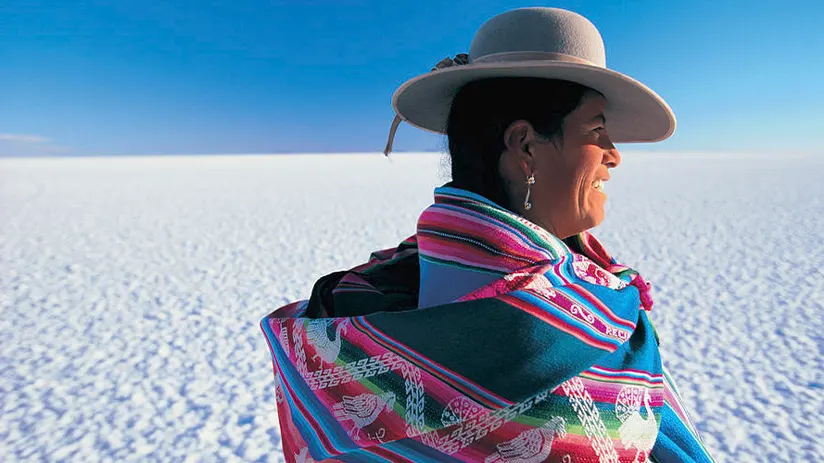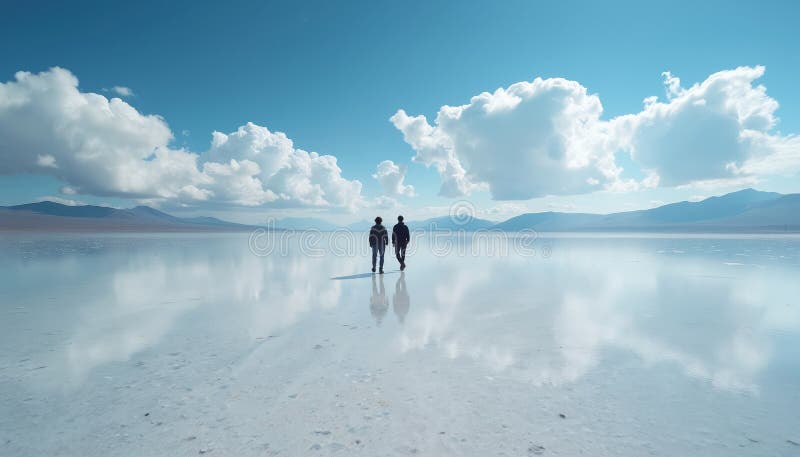
Salar de Uyuni: A Minimalist Photographer's Drea...
The Salar de Uyuni, the world's largest salt flat, is a place that transcends reality, especially during the rainy season. As a landscape photographer with a minimalist aesthetic, I seek out locations that offer both vastness and tranquility. My recent trip to Bolivia’s Salar during its wet season proved to be an experience unlike any other, a symphony of silence, surreal reflections, and stark beauty. The mirror effect that transforms the flats into a boundless sky is something you must witness to believe. It is truly the best time to visit Salar de Uyuni for mirror reflections. In this blog, I'll share my journey photographing this otherworldly landscape, the challenges I faced, and the techniques I used to capture its essence with my trusty Leica M10 and 28mm Summicron lens.
Embracing the Void: Photographing Reflections on the Salar de Uyuni
The rainy season (roughly December to April) brings a thin layer of water to the surface of the Salar, turning it into the world’s largest mirror. This phenomenon creates mind-bending optical illusions, blurring the line between earth and sky. As a photographer, I was drawn to the simplicity and the challenge of capturing this surreal environment. This, by far, is one of the best things about Salar de Uyuni rainy season photography.
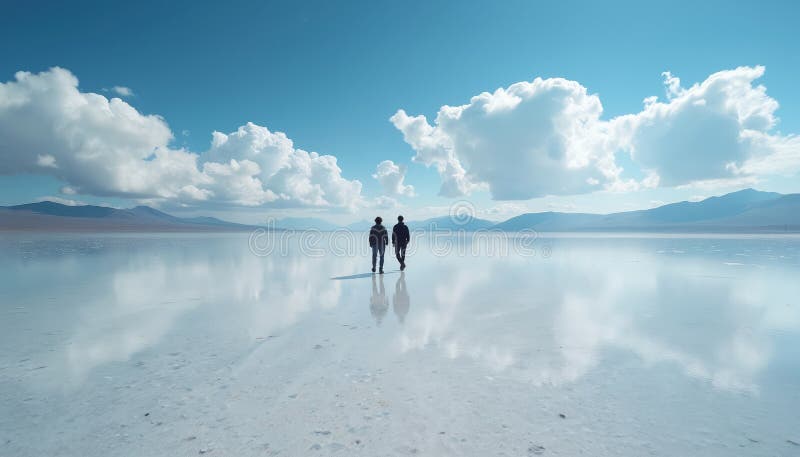
My approach was to emphasize the vastness and the silence. I used long exposures to smooth out any ripples on the water's surface, creating a perfectly seamless reflection. Working in black and white allowed me to focus on the contrast between the stark white salt and the dramatic skies, amplifying the sense of depth and scale. The Licancabur volcano, a constant presence on the horizon, added a touch of drama to the otherwise flat landscape.
Incahuasi Island: A Surreal Outcrop in a Sea of Salt
Rising from the seemingly endless expanse of white is Incahuasi Island (also known as Isla del Pescado), a rocky outcrop covered in giant cacti. It’s a welcome break from the visual uniformity of the salt flats and offers a unique perspective on the surrounding landscape.
Photography Tips for Incahuasi Island
- Golden Hour: Arrive early or stay late to capture the island bathed in the warm light of sunrise or sunset. The low angle of the sun accentuates the texture of the cacti and the surrounding salt formations.
- Composition: Use the cacti as foreground elements to create depth and scale in your images. Frame your shots to include the distant volcanoes for context.
- Patience: The light changes rapidly, so be prepared to wait for the perfect moment to capture the scene.
Stargazing on the Salar: An Unforgettable Experience
The Salar de Uyuni is renowned for its dark skies, making it one of the best places in the world for stargazing. During the rainy season, the reflections on the salt flats amplify the experience, creating a sense of being suspended in the cosmos. Salar de Uyuni stargazing photography is simply breathtaking.
Capturing the Cosmos
- Darkness is Key: Find a location far from any light pollution to maximize the visibility of the stars.
- Long Exposures: Use long exposures (typically 20-30 seconds) to capture the faint light of the stars. A wide aperture lens is essential.
- Consider the Moon: A full moon can wash out the stars, so plan your trip around a new moon for optimal viewing conditions.
A Taste of Bolivia: Food and Culture in the Altiplano
My journey wasn't just about photography; it was also about immersing myself in the local culture. I stayed at a remote salt hotel, built entirely from salt bricks, where I savored traditional Bolivian dishes.
Culinary Delights
- Quinoa Soup: A hearty and nutritious soup made with quinoa, vegetables, and herbs.
- Llama Steaks: Tender and flavorful llama meat, often served grilled with potatoes and vegetables.
- Salt-Crusted Chicken: Chicken baked in a crust of salt, resulting in incredibly moist and flavorful meat.
The Aymara people, the indigenous inhabitants of the region, are incredibly welcoming and proud of their heritage. Interacting with local guides and artisans provided valuable insights into the geology of the Salar and the rich cultural traditions of the Altiplano. Ethical travel is important to consider and explore while visiting the Aymara people in Salar de Uyuni.
Planning Your Trip: Permits, Transportation, and Practical Tips
Traveling to Salar de Uyuni during the rainy season requires careful planning. The unpredictable weather and the remote location can present challenges. It is important to know what to pack for Salar de Uyuni rainy season photography trip.
Obtaining Permits
Photography permits are generally not required for personal photography on the Salar, but it’s always best to check with the local authorities or your tour operator to confirm. Drone photography regulations Salar de Uyuni Bolivia must be closely followed.
Arranging Transportation
- Tours: The easiest and safest way to visit the Salar is to join a guided tour. Numerous tour operators in Uyuni offer multi-day excursions that include transportation, accommodation, and meals.
- Private Transportation: If you prefer to travel independently, you can hire a private 4x4 vehicle with a driver. This option gives you more flexibility but is also more expensive.
Dealing with Altitude Sickness
The Salar de Uyuni is located at an altitude of over 3,600 meters (11,800 feet), so altitude sickness is a common concern.
- Acclimatize Gradually: Spend a few days in a lower-altitude city like La Paz or Sucre before traveling to Uyuni.
- Stay Hydrated: Drink plenty of water to help your body adjust to the altitude.
- Avoid Alcohol and Strenuous Activity: Limit your alcohol intake and avoid strenuous exercise during your first few days at altitude.
- Coca Leaves: Chewing coca leaves or drinking coca tea can help alleviate the symptoms of altitude sickness.
Weather Considerations
The weather on the Salar can be unpredictable, even during the rainy season. Be prepared for:
- Rain: Pack waterproof clothing and gear to protect yourself and your equipment.
- Sun: The high altitude and reflective surface of the salt flats can intensify the sun's rays. Wear sunscreen, a hat, and sunglasses.
- Cold: Temperatures can drop dramatically at night, so pack warm layers of clothing.
Post-Processing: Enhancing the Minimalist Vision
My post-processing workflow in Adobe Lightroom is focused on enhancing the minimalist aesthetic and creating a sense of depth in my black and white images. How to edit Salar de Uyuni photography in black and white is fairly straightforward:
Key Techniques
- Contrast: Increase the contrast to accentuate the details in the salt formations and the sky.
- Clarity: Use the Clarity slider to add texture and sharpness to the image.
- Blacks and Whites: Adjust the Blacks and Whites sliders to fine-tune the tonal range and create a sense of drama.
- Graduated Filters: Use graduated filters to darken the sky and create a more dramatic effect.
- Local Adjustments: Use local adjustments to selectively brighten or darken specific areas of the image.
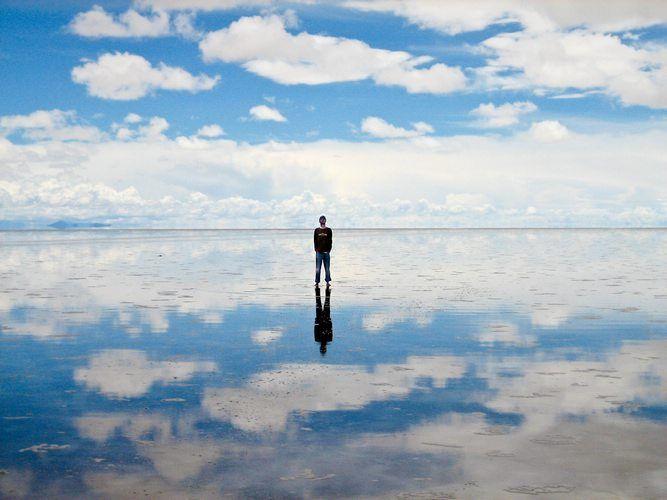
Photographing Salar de Uyuni with Leica brings a whole new level of detail. Leica M10 settings for Salar de Uyuni landscape photography are fairly simple, utilizing a small aperature with the 28mm Summicron lens to optimize capturing the vast landscape.
A World of Silence
My journey to Salar de Uyuni during the rainy season was a transformative experience. The vast, reflective salt flats, the towering volcanoes, and the surreal islands created a landscape unlike any other. The contrast between the otherworldly silence of the Salar and the vibrant indigenous culture of the surrounding villages made for a truly unforgettable adventure. I encourage every photographer to experience the magic of the Salar de Uyuni for themselves. Are you ready to capture your own minimalist masterpiece?
YouTube Video Script (TikTok Style)
HOOK (0-3 seconds):
- (Visual): Time-lapse of the Salar de Uyuni surface transforming into a mirror as rainwater rapidly covers it. Reflected sunset light bursts across its surface. Use high-speed camera work for the transition to show rapid transformation.
- (Audio): Whooshing sound effect as water spreads, followed by a subtle, ethereal music bed.
SCENE (3-8 seconds):
- (Visual): Cinematic 4K drone shot orbiting Ava (dressed in muted earth tones) as she sets up her Leica M10 on a tripod at golden hour. Emphasize minimalist aesthetic using wide shot, extreme depth of field, and dramatic lighting from the setting sun.
- (Audio): Music swells slightly, adding a sense of anticipation.
TWIST (8-12 seconds):
- (Visual): Sudden, unexpected cut to a perfectly symmetrical reflection of Ava, then another photographer behind her, suddenly revealing multiple photographers all creating perfectly reflected images, with the sky and ground indistinguishable. Quick zoom-in on a photographer's face showing awe.
- (Audio): Music reaches a crescendo, followed by a soft "whoa" or gasp sound effect.
Text Overlay (Throughout):
- 0-3 seconds: "Salar de Uyuni: The World's Largest Mirror"
- 3-8 seconds: "Capturing Minimalism"
- 8-12 seconds: "Is this REAL?"
SEO Elements for Video:
- Title: Salar de Uyuni's MIRROR EFFECT Will Blow Your Mind! (Minimalist Photography)
- Description: Witness the surreal beauty of Salar de Uyuni during the rainy season! Minimalist photographer Ava captures the stunning reflections. #SalarDeUyuni #Bolivia #Photography #Minimalism #Travel #Leica #Uyuni Salt Flats #wet season
- Tags: Salar de Uyuni, Bolivia, photography, minimalist photography, travel, Leica, mirror effect, reflections, rainy season, travel guide, stargazing, Incahuasi Island