Rwanda's Gentle Giants: A Sustainable Gorilla Tr...
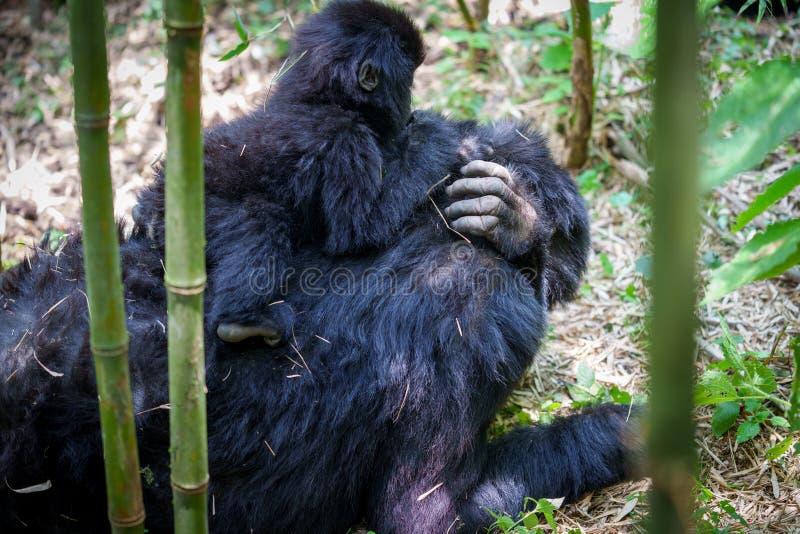
The anticipation hung heavy in the air, thicker even than the humid Rwandan air. For years, I'd dreamed of this moment: coming face-to-face with mountain gorillas in their natural habitat. Rwanda, a country renowned for its stunning landscapes and unwavering commitment to conservation, was the perfect place to make this dream a reality. Fresh off attending the inspiring Kwita Izina ceremony, celebrating Rwanda's dedication to protecting these magnificent creatures, I embarked on a week-long adventure that would forever change my perspective on travel, conservation, and the interconnectedness of life. My journey into the heart of Volcanoes National Park was more than just a trek; it was a testament to the power of sustainable tourism and the resilience of both the Rwandan people and its gentle giants. This is my guide to gorilla trekking in Rwanda.
Kigali Arrival & Journey to Volcanoes National Park
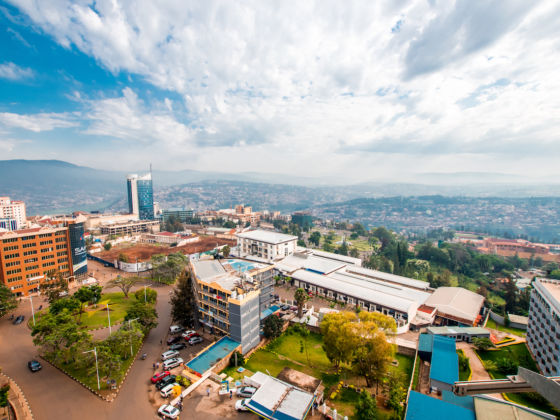
Touching down at Kigali International Airport (KGL) was seamless. The visa process was quick and efficient, a testament to Rwanda's forward-thinking approach to tourism. Stepping out of the airport, I was immediately greeted by the warm Rwandan sun and the friendly smile of my driver, eager to begin the scenic journey to Volcanoes National Park. As we drove north, the landscape transformed. The bustling city of Kigali gradually faded into the distance, replaced by rolling hills adorned with meticulously terraced fields. The vibrant greens of banana plantations and coffee farms painted a breathtaking panorama. The air grew fresher, carrying the scent of eucalyptus and damp earth. With each passing mile, the anticipation intensified. I knew I was getting closer to the gorillas, closer to a life-changing experience, and closer to discovering the secrets of Volcanoes National Park Rwanda gorilla trekking.
Kwita Izina - A Celebration of Conservation
Attending the Kwita Izina gorilla naming ceremony was an unforgettable experience. This annual event is more than just a celebration; it's a powerful symbol of Rwanda's commitment to gorilla conservation and community involvement. The atmosphere was electric, filled with the rhythm of traditional music, the vibrant colors of Rwandan dress, and the impassioned speeches of conservationists and government officials.
The air buzzed with excitement as newly born gorillas were given their names, each carefully chosen to reflect their personality or the circumstances of their birth. These names aren't just labels; they represent hope, investment, and a future for these incredible animals. Kwita Izina highlights the incredible success Rwanda has achieved in protecting its gorilla population, a feat largely attributed to its dedication to community-based tourism and strong anti-poaching measures. Witnessing this event filled me with a sense of optimism and reinforced the importance of supporting conservation efforts that prioritize both wildlife and the well-being of local communities. Seeing the care and dedication of the Rwandan people towards these animals was profoundly moving.
Preparing for the Trek: Gear and Guidance
The day before the trek, we attended a thorough briefing. Our guides, experts in gorilla behavior and the local ecosystem, provided invaluable information about how to interact respectfully with the gorillas, safety guidelines to follow during the trek, and the importance of maintaining a safe distance. I made sure to pack accordingly: sturdy hiking boots, long pants, a long-sleeved shirt, rain gear, gardening gloves (for navigating thorny vegetation), and plenty of water. Hiring a local porter proved to be one of the best decisions I made. Not only did it lighten my load, making the trek significantly easier, but it also directly contributed to the local economy. Supporting these communities is key to the long-term success of conservation efforts, highlighting Rwanda tourism sustainable development.
The Gorilla Trek: A Close Encounter
The moment I had been waiting for had finally arrived. Our group, accompanied by our guides and porters, set off into the dense rainforest in search of the Susa Family, known for being one of the largest gorilla families. The trek was challenging, winding through steep, muddy trails and thick vegetation. The air was thick with humidity, and the sounds of the jungle enveloped us: the calls of exotic birds, the rustling of leaves, and the occasional chatter of monkeys. The earthy aroma of damp soil filled my nostrils.
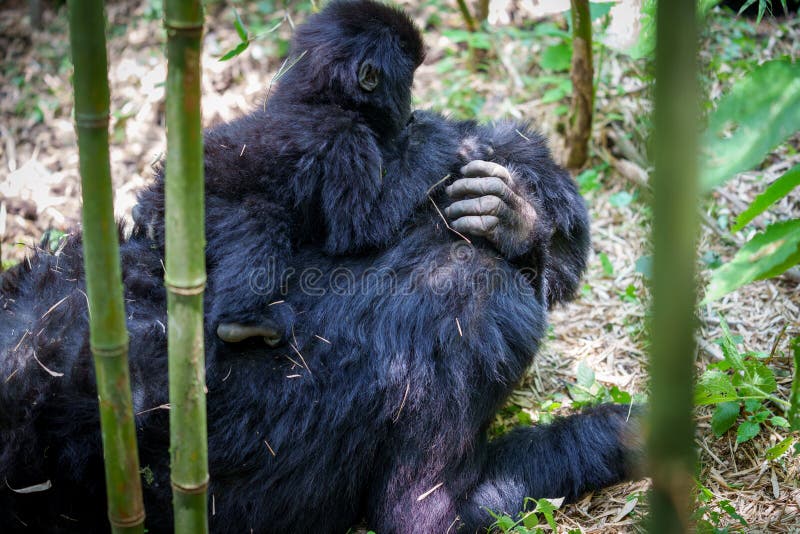
Then, suddenly, our guide stopped and pointed. There, just a few feet away, was a magnificent silverback gorilla, calmly observing us. It was an awe-inspiring moment, a privilege to witness these incredible creatures in their natural habitat. We spent an unforgettable hour observing the Susa Family. A baby gorilla, curious and playful, cautiously approached our group, reaching out to touch a nearby leaf. The silverback remained watchful, ensuring the safety of his family. We kept our distance, followed our guide’s instructions, and simply observed in silence, overwhelmed with wonder and respect. Witnessing this close encounter only reinforced the importance of ethical gorilla trekking Rwanda.
Iby'Iwacu Cultural Village: Immersing in Rwandan Culture
Beyond the gorillas, Rwanda's rich culture is another reason to visit. A visit to the Iby'Iwacu Cultural Village offered a fascinating glimpse into traditional Rwandan life. Here, former poachers, now dedicated conservationists, share their culture and traditions with visitors. I witnessed demonstrations of traditional crafts, learned about the preparation of Rwandan cuisine, and was captivated by the energetic performance of traditional dances. The experience was incredibly authentic, a far cry from staged tourist traps. Speaking with one of the villagers, a former poacher turned conservationist, was particularly impactful. He shared his story of transformation, highlighting how tourism has provided alternative livelihoods and incentivized the protection of gorillas. Supporting local communities like this is integral to sustainable tourism initiatives in Volcanoes National Park.
Dian Fossey Gorilla Fund: Remembering a Legacy
No trip to Volcanoes National Park is complete without a visit to the Dian Fossey Gorilla Fund. The exhibits detail Dian Fossey's groundbreaking research and her unwavering dedication to protecting gorillas. The Fund continues her legacy, conducting vital research and implementing conservation programs to ensure the long-term survival of these magnificent animals. Learning about her work and the ongoing efforts to combat poaching and habitat loss reinforced the importance of conservation efforts and the impact that one person can have. The Dian Fossey Gorilla Fund visit is a must for anyone interested in the preservation of these incredible creatures.
Rwandan Flavors: Coffee and Brochettes
Immersing myself in Rwandan culture also meant indulging in the local flavors. The Rwandan coffee ceremony is a sensory experience, from the aroma of freshly roasted beans to the rich, complex flavor of the brewed coffee. Sharing a cup with locals was a beautiful way to connect and learn about their traditions. And of course, I had to try brochettes (grilled goat skewers), a local delicacy. The smoky, savory taste was absolutely delicious. Sampling the best brochettes and coffee in Kigali Rwanda is an experience I won't soon forget.
Ethical Reflections: Sustainable Tourism and Conservation
My journey to Rwanda was a powerful reminder of the importance of responsible and sustainable tourism. By supporting local businesses, respecting the environment, and contributing to conservation efforts, we can all make a positive impact on gorilla conservation and the livelihoods of local communities. Every choice we make as travelers, from selecting tour operators to purchasing souvenirs, has consequences. Choose companies committed to ethical practices, hire local guides and porters, and be mindful of your environmental impact. Sustainable gorilla trekking Rwanda is not just about seeing gorillas; it's about contributing to their survival and the well-being of the communities that share their habitat.
Conclusion
My week in Rwanda was an unforgettable adventure, a journey that combined breathtaking wildlife encounters with profound cultural immersion and ethical travel. The experience of trekking with gorillas in Volcanoes National Park was truly transformative, filling me with awe, respect, and a renewed commitment to conservation. I encourage everyone to consider visiting Rwanda and supporting its remarkable efforts to protect these gentle giants for generations to come. Book your Rwanda gorilla trekking tours today!
Social Media Promotion
Instagram:
- Carousel of 10 photos:
- Image 1: Close-up of a silverback gorilla. Caption: "Gazing into the eyes of a silverback - an experience that will forever be etched in my memory. 🦍 #gorillatrekking #rwandatravel"
- Image 2: Scenic view of Volcanoes National Park. Caption: "The breathtaking landscapes of Rwanda - a true paradise for nature lovers. 🏞️ #volcanoesnationalpark #rwandatravel"
- Image 3: Attending the Kwita Izina ceremony. Caption: "Celebrating conservation at the vibrant Kwita Izina ceremony! 🎉 #kwitizina #gorillaconservation"
- Image 4: Sarah trekking through the rainforest. Caption: "Trekking through the lush rainforest in search of gentle giants. 🌿 #sustainabletravel #ethicaltravel"
- Image 5: Interacting with villagers at Iby'Iwacu Cultural Village. Caption: "Immersing myself in Rwandan culture at the Iby'Iwacu Cultural Village. 🎭 #rwandaculture #communitytourism"
- Image 6: Rwandan coffee ceremony. Caption: "Savoring the rich flavors of Rwandan coffee. ☕ #rwandancoffee #travelphotography"
- Image 7: Trying brochettes. Caption: "Delicious brochettes - a must-try when in Rwanda! 😋 #rwandanfood #travelgram"
- Image 8: Photo of the Dian Fossey Gorilla Fund. Caption: "Learning about Dian Fossey's legacy at the Dian Fossey Gorilla Fund. 📚 #dianfossey #gorillafund"
- Image 9: Ethical tourism message. Caption: "Choosing sustainable travel and supporting local communities in Rwanda. 🌍 #sustainabletourism #ethicaltravel"
- Image 10: A baby gorilla peering into the camera. Caption: "An unforgettable encounter with a baby gorilla! Read about my ethical gorilla trekking adventure in Rwanda: [link to blog post] #gorillatrekking #rwandatravel #sustainabletravel #kwitizina #volcanoesnationalpark"
Twitter:
- Snippet 1: "Just returned from an incredible gorilla trekking adventure in Rwanda! Witnessing these gentle giants in their natural habitat was truly awe-inspiring. #gorillatrekking #rwandatravel [link to blog post]" (with image of silverback)
- Snippet 2: "Attending the Kwita Izina ceremony in Rwanda was a powerful reminder of the importance of conservation. Learn how Rwanda is protecting its gorillas and supporting local communities. #kwitizina #gorillaconservation [link to blog post]" (with image of Kwita Izina)
- Snippet 3: "Sustainable tourism is key to gorilla conservation. Discover how you can travel responsibly in Rwanda and make a positive impact. #sustainabletravel #ethicaltravel [link to blog post] Tag @DianFosseyFund" (with image of the author trekking)
Facebook:
- "My recent trip to Rwanda was more than just a vacation; it was a profound experience that changed my perspective on travel and conservation. Gorilla trekking in Volcanoes National Park is an unforgettable adventure, but it's crucial to do it ethically and sustainably. In my latest blog post, I share my tips for minimizing your impact and contributing to the well-being of both the gorillas and the local communities. Read my full blog post here: [link to blog post] What are your thoughts on ethical travel? Share your experiences and tips in the comments below!"
TikTok:
- (Video montage of trip, set to upbeat Rwandan music):
- Text overlays: "Gorilla Trekking in Rwanda - It's Ethical?!"
- Snippets of gorilla encounters, cultural performances, beautiful scenery.
- Trending sounds and relevant hashtags.
- End screen: "Read my full blog post for sustainable travel tips! [link to blog post]"
(Video Viral Opportunity)
- HOOK (0-3 seconds): A sudden, dramatic close-up of a silverback gorilla's face, filling the screen. The gorilla slowly turns its head and looks directly into the camera.
- SCENE (3-8 seconds): The scene cuts to Sarah's POV, showing the dense, green rainforest from her perspective. The camera is shaky, giving the impression of hiking. The lighting is dappled, with sunlight filtering through the leaves. We hear heavy breathing and the sounds of the jungle. The camera zooms in slightly.
- TWIST (8-12 seconds): Suddenly, a baby gorilla pops out from behind a tree and approaches the camera, seemingly curious. The baby gorilla playfully reaches out and touches the camera lens. A text overlay appears: "Unexpected friend!". The video ends with a quick cut back to the silverback, who gives a slight nod.
FAQ Section for User Intent
How much does it cost to trek gorillas in Rwanda?
The cost of a gorilla trekking permit in Rwanda is currently $1500 USD per person. This price includes park entry fees, guide fees, and a one-hour visit with a habituated gorilla family. Additional expenses include accommodation, transportation, and porter fees.
What is the best time of year for gorilla trekking in Rwanda?
The best time for gorilla trekking in Rwanda is during the dry seasons:
- Mid-May to late-October
- Mid-December to early-February
These periods offer drier conditions for trekking and reduce the risk of heavy rainfall.
What should I wear for gorilla trekking in Rwanda?
Here’s a packing list for Rwanda gorilla trekking
- Hiking boots: Essential for navigating the terrain.
- Long-sleeved shirts and pants: To protect against insects and vegetation.
- Rain gear: The rainforest can be unpredictable.
- Gardening gloves: To protect your hands.
- Hat and sunscreen: For sun protection.
Where is Volcanoes National Park located?
Volcanoes National Park is located in northwestern Rwanda, bordering Uganda and the Democratic Republic of Congo. It is part of the larger Virunga Mountains range and is easily accessible from Kigali, the capital of Rwanda.
How challenging is gorilla trekking in Rwanda?
Gorilla trekking in Rwanda can range from moderate to strenuous, depending on the location of the gorilla family you are tracking. Treks can last anywhere from 2 to 8 hours, often involving steep climbs and uneven terrain. The level of difficulty can also depend on weather conditions, such as mud. Good physical fitness and sturdy hiking gear are essential for a successful trek.