Rwanda: From Tragedy to Triumph – A Skeptic's Jo...
As a tech entrepreneur and amateur photographer, I've always approached eco-tourism with a healthy dose of skepticism. Could it really be a force for good, or was it just another way for wealthy travelers to assuage their guilt while disrupting fragile ecosystems? Rwanda, a country I knew mostly from history books detailing its tragic past, seemed like an unlikely place to find answers. But five days in the Land of a Thousand Hills shattered my preconceived notions, replacing them with a profound respect for a nation reborn. This is my journey from skeptic to believer, a story of resilience, reconciliation, and the transformative power of tourism done right. Join me as I explore Rwanda travel and share a unique Rwanda transformation tourism perspective.
Day 1: Arrival in Kigali and the Kigali Genocide Memorial
My initial impressions of Kigali were of a city on the rise. Modern architecture mingled with traditional markets, and the streets were surprisingly clean and safe. But the shadow of the past is ever-present, and my first stop was the Kigali Genocide Memorial. Walking through its exhibits was a deeply emotional experience. One display detailed how hate speech was spread through radio broadcasts, effectively dehumanizing the Tutsi population and inciting violence. It struck me how the lack of technology to counter this propaganda allowed it to spread unchecked.
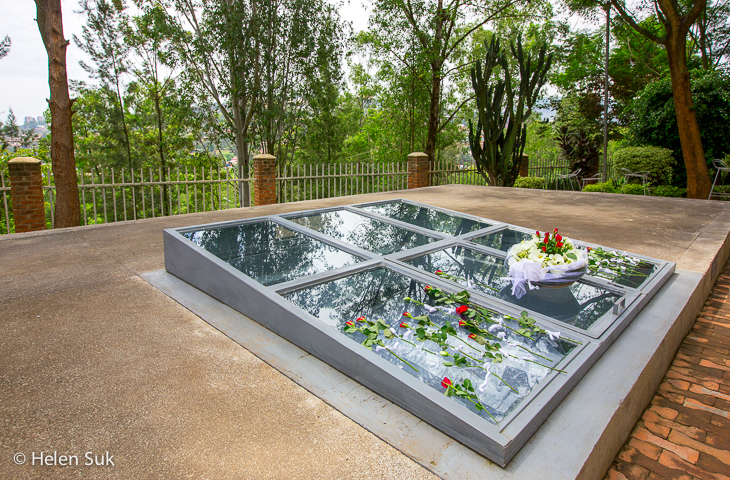
I remember reading one placard that quoted a perpetrator saying, "We filled the rivers with bodies, like they were logs." The sheer brutality was incomprehensible. It was heartening, though, to see how technology is now being used to document testimonies, educate future generations, and prevent similar atrocities from happening again. Kigali is a city reborn from ashes, a testament to human resilience, and a stark reminder of the importance of vigilance. The Kigali Genocide Memorial visit is a must for all travelers to Rwanda.
Day 2: Gorilla Trekking in Volcanoes National Park
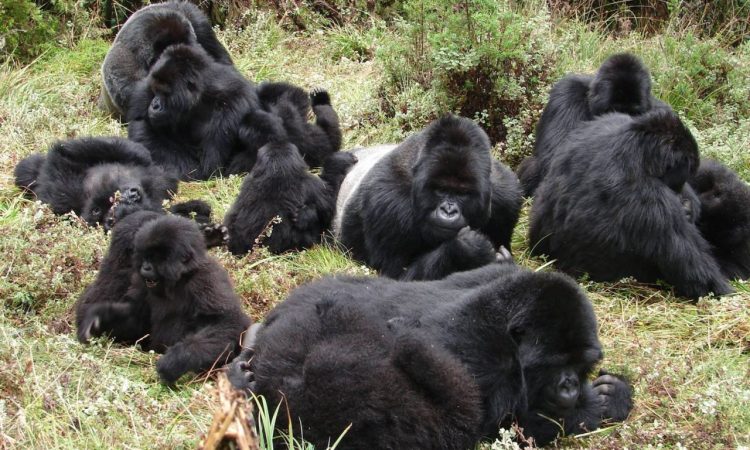
The following day, I traveled to Volcanoes National Park, the heart of Rwanda gorilla trekking. I was apprehensive. Would the presence of tourists negatively impact these majestic creatures and their habitat? My ranger, Jean-Pierre, quickly put my fears to rest. His passion for the gorillas and his deep understanding of their behavior were immediately apparent. He explained the strict regulations in place to protect them, including limiting the number of visitors and maintaining a safe distance.
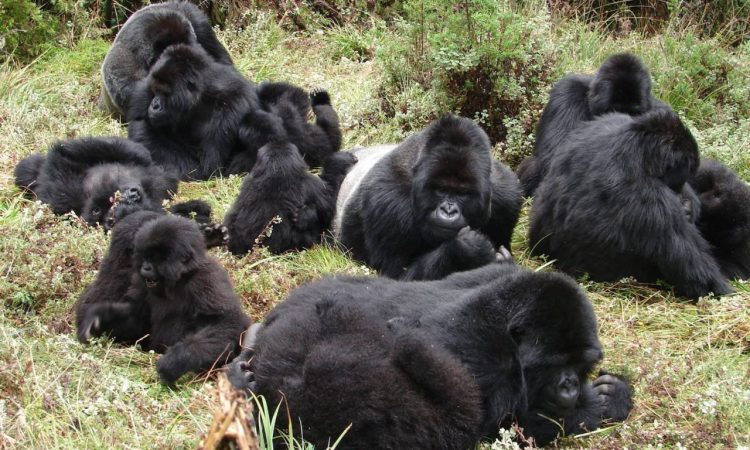
After a challenging trek through dense vegetation, we finally reached the "Ubumwe" gorilla family. Seeing the silverback, a massive and powerful creature, was awe-inspiring. And then, he looked directly at me. That moment was profound and humbling, shattering my preconceived notions. I realized that eco-tourism, when done responsibly, could be a powerful tool for conservation, providing vital revenue for park management and local communities. Rwanda gorilla trekking permits price can be high, but it directly contributes to preserving these amazing animals.
Day 3: Cultural Immersion and Coffee Plantation Tour
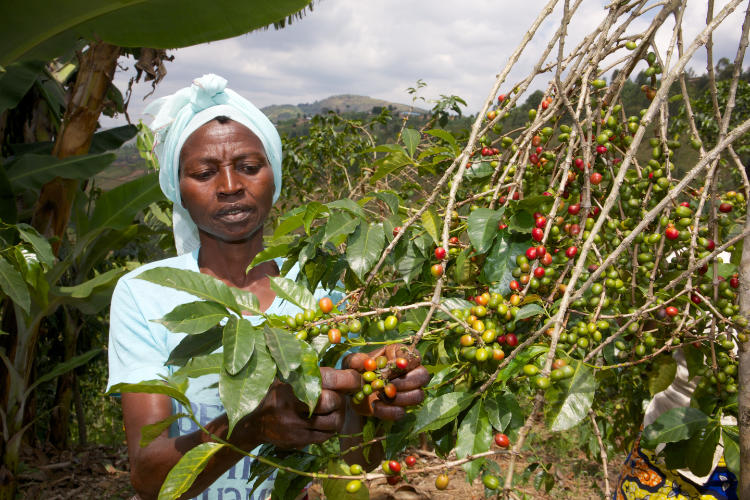
To truly understand Rwanda, you need to experience its culture. A visit to the Question Coffee plantation provided just that. I learned about fair trade practices directly from the farmers, witnessing their dedication to producing high-quality coffee while ensuring fair wages and sustainable farming methods. It was inspiring to see how tourism empowers these communities, providing economic opportunities and improving their quality of life. The impact of tourism on the local community is undeniable.
Lunch was a traditional Rwandan feast, featuring "Agatogo" (plantains simmered in peanut sauce) and "Ibiharage" (kidney beans with vegetables). The Agatogo had an unexpected depth of flavor that danced on the tongue. It was a reminder that even in the simplest of dishes, there's a rich culinary heritage waiting to be discovered. Question Coffee fair trade Rwanda is a powerful example of ethical sourcing.
Day 4: Akagera National Park Safari
Akagera National Park offered a different perspective on Rwanda's natural beauty. Once ravaged by poaching, it’s now a testament to successful rewilding efforts, largely thanks to African Parks. On a game drive, I was fortunate enough to photograph the elusive shoebill stork, a prehistoric marvel standing still in the marshland. I also spotted a herd of roan antelope, majestic creatures blending into the savannah.
That evening, I indulged in "Brochettes" (grilled goat skewers) from a street vendor. The spices and smoky flavor were a true reflection of Rwandan street food. Akagera National Park safari provided amazing wildlife encounters.
Day 5: Reflection and Departure
My final evening was spent at Bisate Lodge, a stunning eco-lodge committed to sustainability and community engagement. The farewell dinner featured locally sourced ingredients and modern Rwandan cuisine. The presentation was Michelin star worthy, blending global culinary arts with Rwandan tradition. Rwanda has shattered my preconceived notions and replaced them with a profound respect.
My journey through Rwanda transformed my perspective on eco-tourism. It’s not just about seeing beautiful landscapes and wildlife; it's about supporting conservation efforts, empowering local communities, and fostering a deeper understanding of different cultures.
Call to Action:
Visit Rwanda responsibly and support local businesses and conservation organizations. Consider donating to African Parks, purchasing coffee from Question Coffee, and visiting the Kigali Genocide Memorial. A similar 5-day trip could cost between $8,000 - $12,000 per person, depending on the level of luxury. Embrace the Rwanda travel experience, and witness its remarkable recovery firsthand.
Is it safe to travel to Rwanda for tourists? Generally, yes. Rwanda is considered one of the safest countries in Africa for tourists.
What is the best time to visit Rwanda? The best time to visit Rwanda is during the dry seasons: June to September and December to February.
How much does it cost to trek gorillas in Rwanda? Gorilla trekking permits in Rwanda currently cost $1,500 per person.
What vaccinations do I need for Rwanda? Consult your doctor for the most up-to-date information, but common recommendations include yellow fever, typhoid, and hepatitis A.
What are the cultural norms in Rwanda? Respect for elders, politeness, and modesty are important aspects of Rwandan culture. Dress modestly, especially when visiting religious sites.
How do I support responsible tourism in Rwanda?
- Choose eco-lodges and tour operators committed to sustainability.
- Purchase locally made products and support small businesses.
- Respect local customs and traditions.
- Educate yourself about the country's history and culture.
What wildlife can I see in Akagera National Park? You can see lions, elephants, giraffes, zebras, various antelope species, and a wide variety of birds, including the shoebill stork.
Where can I stay in Rwanda for a luxury safari? Bisate Lodge and Singita Kwitonda Lodge are two top-tier luxury lodges near Volcanoes National Park.
Why is Rwanda called the Land of a Thousand Hills? Rwanda's landscape is characterized by rolling hills and mountains, giving it the nickname "Land of a Thousand Hills."
What is the history of Question Coffee Rwanda? Question Coffee is a social enterprise that empowers women coffee farmers in Rwanda through training, market access, and fair trade practices.
How does tourism help Rwanda's recovery? Tourism generates revenue that supports conservation efforts, community development, and economic growth, contributing to Rwanda's ongoing recovery and progress.
What should I pack for a trip to Rwanda?
- Lightweight, breathable clothing
- Rain gear
- Hiking boots
- Insect repellent
- Sunscreen
- Hat
- Camera
- Binoculars