Rwanda: Following in Grandad's Footsteps - A Wil...
Rwanda. The name conjured images of lush rainforests, majestic gorillas, and a vibrant culture. For me, Alistair Attenborough, it also held a deep personal resonance. As the grandson of Sir David Attenborough, the bar is set high, impossibly so some days, and the pressure to contribute to the world of wildlife conservation weighs heavy. This June, I embarked on a 10-day journey to the "Land of a Thousand Hills" with a mission: to document its incredible biodiversity and, perhaps, to find my own voice in the chorus of voices championing our planet. This blog details my Rwanda gorilla trekking and Akagera National Park safari adventures, from battling motion sickness on winding mountain roads to capturing unforgettable moments with some of the world’s most incredible creatures. It’s a story of conservation, community, and, quite simply, the awe-inspiring power of the natural world, all told through the lens of a 28-year-old trying to fill some very big boots. Join me as I follow in Grandad's footsteps, one carefully placed foot at a time.
Gorilla Trekking Prep: Volcanoes National Park (Days 1)
Landing in Kigali, the energy of the city was palpable. After a quick pit stop for some Umutobe (the passion fruit was my favourite!), the drive to Sabyinyo Silverback Lodge near Volcanoes National Park was breathtaking, though the winding roads did test my stomach a little. Think motion sickness pills, people! The lodge itself was stunning, nestled amongst the foothills of the Virunga Mountains. But the real reason I was here was just a stone’s throw away: the mountain gorillas.
The next step? Securing the permits. This is crucial, as numbers are strictly limited to protect the gorillas. Be warned: they aren't cheap at $1500 USD per person and you absolutely must pre-book them through the Rwanda Development Board (RDB) website. Trust me, it's worth every penny.
That afternoon, we had a briefing from the park rangers on gorilla etiquette. The rules are simple: keep a safe distance (at least 7 meters), don't use flash photography, and if a gorilla approaches, remain calm and follow the guide’s instructions. "Maintain eye contact, but don't stare" was one piece of advice that stuck with me. Sounds a bit like dating, doesn't it?
Of course, I had my gear prepped and ready. I was packing my trusty Sony Alpha camera, paired with a versatile 200-600mm lens for capturing those close-up shots. To capture the grandeur of the landscape and the gorillas in their habitat, I also brought my DJI Mavic 3 Pro drone, fitted with ND8 and ND16 filters to manage the bright sunlight. And for those immersive ambient sounds? My Sennheiser MKH-416 shotgun microphone was essential. Can't capture the magic without crystal-clear audio!
The Trek: Up Close with the Giants (Days 2-3)
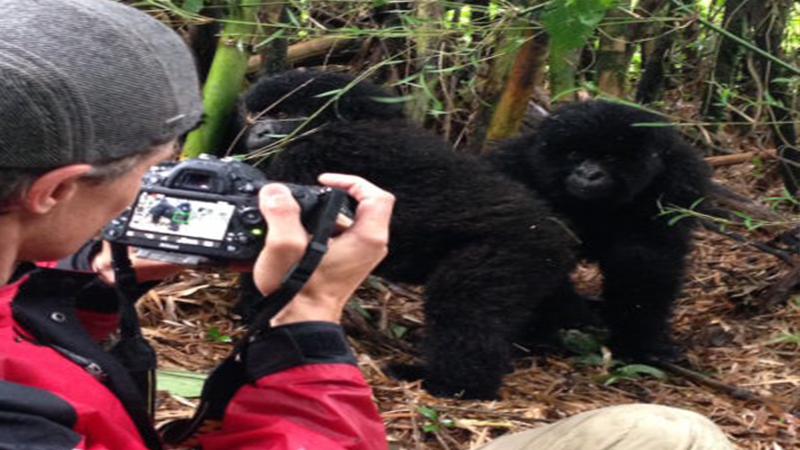
The first trek was…challenging, to say the least. The Virunga Mountains are no joke. Think steep inclines, thick vegetation, and a definite test of your cardiovascular fitness. But the reward? Absolutely unparalleled. After a few hours of hiking (led by the incredibly knowledgeable Jean-Paul, from the RDB tracking team), we finally found them: the Susa family.
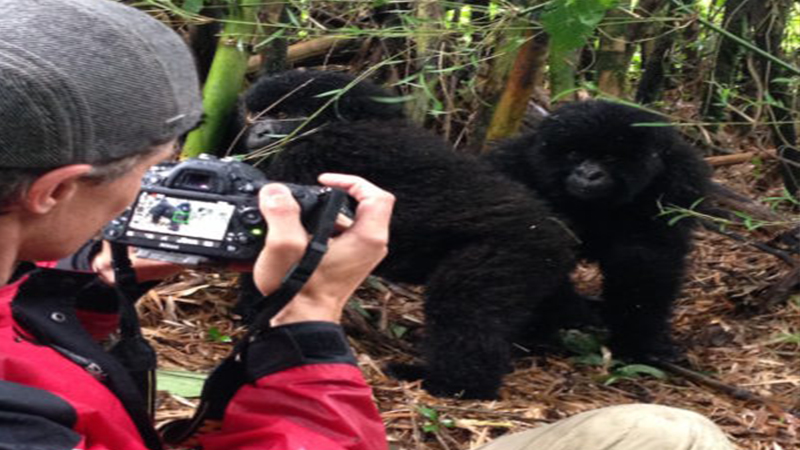
The dominant silverback, Bwenshuti, was a magnificent sight. He sat there, unfazed by our presence, calmly munching on bamboo. The younger gorillas were playful, tumbling around and occasionally casting curious glances our way. It was truly humbling to witness these incredible creatures in their natural environment.
The second trek, the following day, brought a different family but the same sense of awe. This time, I was even more conscious of minimizing our disturbance. As a wildlife filmmaker, the ethics of what I do are constantly on my mind. There was one moment where a young gorilla wandered close, offering an incredible shot. But to get it, I would have needed to move closer, potentially invading its space. I chose to respect its boundary and let the moment pass. Sometimes, the best footage is the footage you don't take. It's about capturing authenticity without compromising the animal's well-being.
Kwita Izina and Conservation (Day 4)
Attending the Kwita Izina gorilla naming ceremony was an unforgettable experience. The atmosphere was electric, filled with music, dancing, and a genuine sense of celebration.
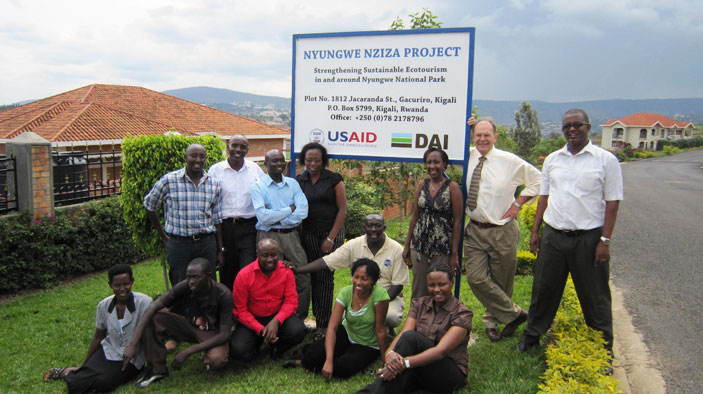
For those who don't know, Kwita Izina is a traditional Rwandan ceremony where baby gorillas are officially named. This isn't just a symbolic act; it's a powerful statement of commitment to gorilla conservation. It was amazing to see how much tourism revenue is funneled back into local communities, funding schools, healthcare, and infrastructure projects. For example, I learned that a portion of the permit fees directly supports the building and maintenance of local clinics, providing essential healthcare to the people living near the park. It’s a powerful demonstration of how tourism, when done right, can have a profound positive impact.
Dian Fossey's Legacy and Rwandan Culture (Day 5)
No trip to Volcanoes National Park is complete without paying homage to Dian Fossey. Visiting the Karisoke Research Center was a deeply moving experience. Fossey's groundbreaking work revolutionized our understanding of mountain gorillas and her unwavering dedication saved them from the brink of extinction. I was particularly struck by a story I read about her ingenious methods for habituating gorillas. She would imitate their behaviors, like chest-beating and vocalizations, to gain their trust. Seems a bit mad, but she showed that she was non-threatening.
In the afternoon, I visited the Iby'Iwacu Cultural Village in Kinigi. Learning traditional dances (I have zero rhythm, by the way) and trying my hand at local crafts was a fantastic way to connect with Rwandan culture.
Safari Adventure in Akagera National Park (Days 6-9)
Leaving the misty mountains behind, I headed east to Akagera National Park for a completely different Rwandan experience: a classic African safari.
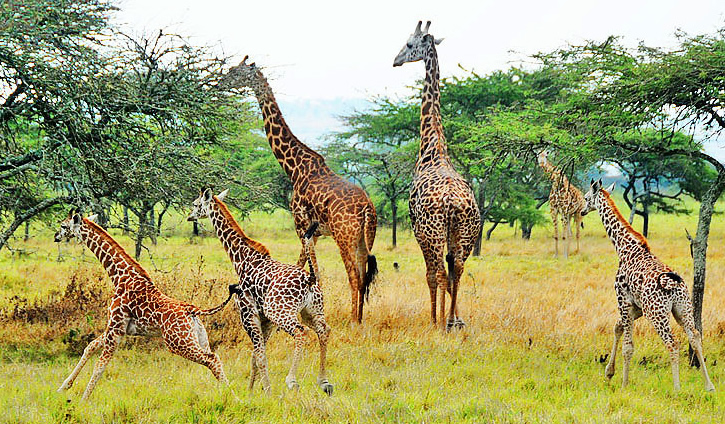
The landscape here is a beautiful contrast to Volcanoes, with vast savannas, acacia woodlands, and shimmering lakes. The wildlife was abundant. I saw lions lounging in the shade, elephants grazing peacefully, giraffes gracefully stretching their necks, and zebras galloping across the plains. Birdlife was incredible too! Catching a glimpse of the rare shoebill stork was a particular highlight.
Akagera is a real conservation success story. After years of decline due to poaching and habitat loss, the park has undergone a remarkable transformation. The reintroduction of lions and rhinos has been a major achievement, restoring the park's ecological balance. It's run in partnership with African Parks Network, who are doing excellent conservation work.
Food, Culture, and Rwandan Hospitality (Throughout Trip)
Beyond the wildlife, Rwanda's culture and cuisine are a delight. I made it a point to try local dishes whenever I could. One standout meal was Agatogo, a hearty dish of plantains with beef and peanut sauce. Absolutely delicious! And the Umutobe, fresh fruit juice, from roadside vendors was the perfect refreshment after a long day of trekking or safari.
But what truly stood out was the warmth and hospitality of the Rwandan people. Everyone I met was incredibly friendly and welcoming. They were always willing to share their stories and their culture. I remember one particular instance where I got hopelessly lost trying to find a local market. A woman saw my bewildered expression and not only gave me directions but walked me halfway there! That’s the kind of hospitality you find in Rwanda.
Concluding Thoughts: A Transformative Journey (Day 10)
My 10 days in Rwanda flew by. It was a truly transformative experience, witnessing firsthand the success of its conservation efforts and the interconnectedness of tourism, conservation, and community development. The country has demonstrated an unwavering commitment to conservation, and the results speak for themselves. From the lush rainforests protecting endangered gorillas to the thriving savannas of Akagera, Rwanda is a testament to what can be achieved when people prioritize the preservation of our planet.
I'd urge everyone reading this to consider supporting the Dian Fossey Gorilla Fund International, who do such invaluable work protecting these magnificent creatures. You can find out more and donate here: Dian Fossey Gorilla Fund International.
To conclude, let me leave you with a quote from someone I admire deeply, someone who inspired this journey: my grandfather, Sir David Attenborough. He said, "No one will protect what they don't care about, and no one will care about what they have never experienced." I hope my journey, and this blog, has inspired you to care, to experience, and to protect. My ambition is to follow in his footsteps, using filmmaking to inspire others to protect the planet's biodiversity.
Remember, responsible tourism is key. Here are a few tips for your visit:
- Minimize your environmental impact: Reduce your plastic consumption, dispose of waste responsibly, and choose eco-friendly accommodations.
- Support local businesses: Buy souvenirs from local artisans, eat at local restaurants, and hire local guides.
- Respect local customs and traditions: Dress modestly, ask permission before taking photographs, and be mindful of local sensitivities.
Let’s all do our part to ensure that future generations can experience the wonders of Rwanda, and the world, for themselves.