Rwanda: A Wildlife Photographer's Journey of Con...
Rwanda, the "Land of a Thousand Hills," has undergone a remarkable transformation. From a nation scarred by tragedy, it has emerged as a beacon of hope, a safe, and increasingly sustainable tourism destination. My recent journey to Rwanda, exploring Volcanoes National Park and the vibrant capital, Kigali, was an unforgettable experience, profoundly impacting my perspective as a wildlife photographer and conservation blogger. This isn't just a trip; it's an encounter with resilience, a deep dive into conservation efforts, and a celebration of Rwandan culture. Join me as I share my experiences, offering insights and inspiration for responsible travelers seeking a truly transformative journey.
Gorilla Trekking in Volcanoes National Park with Singita
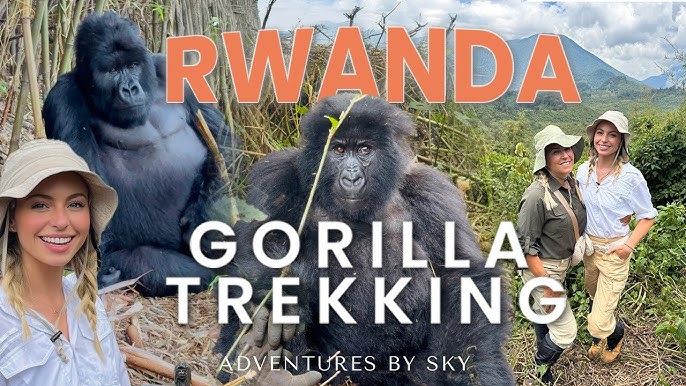
My adventure began in Volcanoes National Park, home to the endangered mountain gorillas. The opportunity to trek with Singita Volcanoes National Park was a dream come true. The trek itself was challenging, physically demanding, and emotionally charged. We navigated dense rainforests, climbed steep slopes, and pushed through thick vegetation. The air was thick with humidity, and the altitude tested my endurance. But every drop of sweat, every labored breath, was worth it.
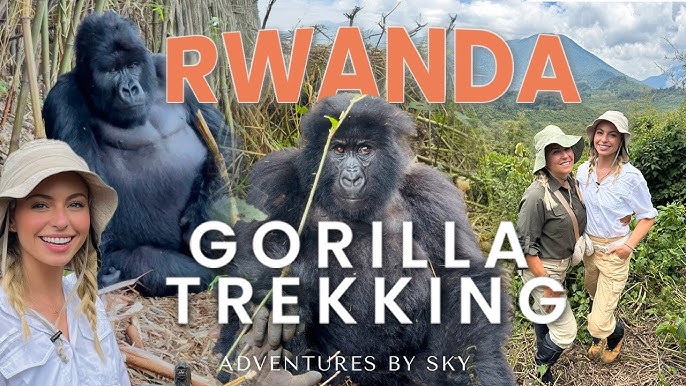
Finally, we found them – a family of mountain gorillas, led by a magnificent silverback. The moment I saw him, a wave of emotion washed over me. He was so powerful, so majestic, yet so gentle. Watching the gorillas interact, groom each other, and play with their young was an awe-inspiring experience. It was a privilege to witness them in their natural habitat, a reminder of the importance of primate conservation.
Ethical Gorilla Trekking Rwanda is crucial. Tourism directly supports the park's conservation efforts, funding anti-poaching patrols, habitat preservation, and community development projects. By choosing responsible tour operators like Singita, we can contribute to the long-term survival of these incredible creatures.
Dian Fossey Gorilla Fund: Protecting Mountain Gorillas
A visit to the Dian Fossey Gorilla Fund's Karisoke Research Center was essential. Learning about Dian Fossey's groundbreaking research and the Fund's ongoing work in protecting mountain gorillas was incredibly inspiring. They are committed to combating poaching, conducting scientific research, and empowering local communities. Supporting the Dian Fossey Gorilla Fund is a direct way to contribute to gorilla conservation and ensure their future. You can learn more and donate at their website: gorillafund.org.
Immersing in Rwandan Culture at Iby'Iwacu Cultural Village
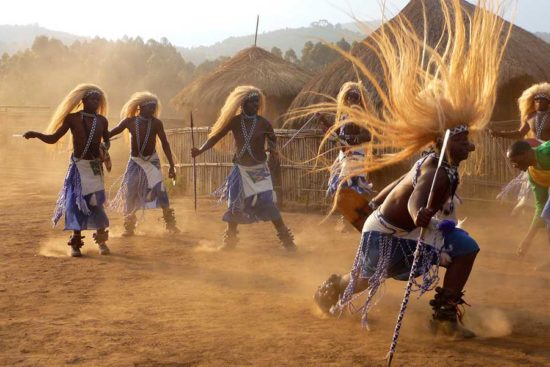
To experience Rwanda beyond its wildlife, I visited Iby'Iwacu Cultural Village. This community-based tourism initiative offers a fascinating glimpse into traditional Rwandan life. I witnessed skilled artisans crafting intricate baskets and pottery, learned about traditional medicine, and observed the energetic Intore dances. The warmth and hospitality of the Rwandan people were truly remarkable.

Iby'Iwacu Cultural Village Experience offers a vital opportunity for cultural exchange and provides a sustainable source of income for local communities. It's a reminder that tourism can be a powerful force for positive change.
Reflection at the Kigali Genocide Memorial
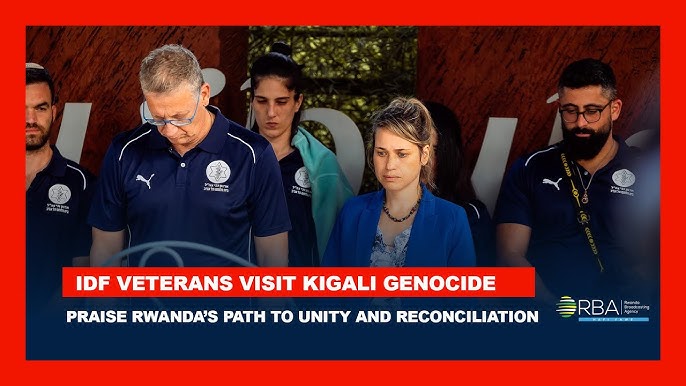
Visiting the Kigali Genocide Memorial was a profoundly moving and sobering experience. The memorial serves as a powerful reminder of the tragic events of the 1994 Rwandan genocide. The exhibits are thoughtfully curated, providing historical context and personal stories that are both heartbreaking and deeply impactful.

The Kigali Genocide Memorial Visit is essential for understanding Rwanda's history and its unwavering commitment to reconciliation and preventing future atrocities. It's a place of remembrance, education, and hope, a testament to the resilience of the Rwandan people.
A Taste of Rwanda: Culinary Delights
Rwandan cuisine is a delightful blend of flavors and textures. I savored savory brochettes (grilled meat skewers), rich agatogo (plantain with peanut sauce), and earthy isombe (mashed cassava leaves). Each dish offered a unique taste of Rwanda's culinary heritage.

The aromatic local coffee was another highlight. At Question Coffee, I learned about coffee cultivation from the women who work there. Their dedication to quality and sustainable practices was truly inspiring. I also tried Inzoga (traditional banana beer), which had a unique, somewhat sour flavor, but I ultimately preferred the locally made fresh juice. Rwandan cuisine guide books are available both online and in Kigali.

Capturing Rwanda's Diverse Landscapes Through Photography
Rwanda's landscapes are as diverse as its culture. The lush, volcanic environment of Volcanoes National Park, with its dense rainforests and misty peaks, stands in stark contrast to the modern, bustling urban setting of Kigali and the gently rolling hills of the Rwandan countryside dotted with farms and villages.
As a photographer, capturing the beauty of these diverse landscapes presented both challenges and rewards. The lighting conditions in the rainforest were often low and unpredictable, requiring careful attention to ISO and aperture. Framing the vastness of the mountains and conveying a sense of scale was also crucial. In Kigali, the challenge was to capture the energy and vibrancy of the city while also highlighting its modern architecture.
Rwanda Conservation Photography provides the opportunity to document these incredible landscapes while supporting conservation efforts.
Kigali: A City on the Rise
Kigali is a city on the rise, a testament to Rwanda's progress and resilience. The city is clean, safe, and rapidly developing, with modern buildings and a vibrant atmosphere. Exploring Kigali offered a glimpse into the future of urban Rwanda, a future built on innovation, sustainability, and hope.

Rwanda: A Model for Sustainable Tourism
Rwanda's unwavering commitment to conservation and sustainable tourism is truly commendable. The country has implemented strict regulations to protect its natural resources and promote responsible tourism practices. By supporting local businesses, respecting local customs, and minimizing our environmental impact, we can all contribute to Rwanda Tourism Sustainable.
Conclusion: A Journey of Transformation
My trip to Rwanda was more than just a vacation; it was a transformative journey. It deepened my appreciation for wildlife conservation and Rwanda's incredible resilience. I encourage you to visit Rwanda, to experience its beauty, its culture, and its spirit. By traveling responsibly and supporting conservation efforts, you can contribute to a brighter future for this remarkable country and its people. Remember, responsible travel is not just a trend; it's a necessity. Support the Dian Fossey Gorilla Fund (gorillafund.org) and other reputable conservation initiatives. Let's all be a part of Rwanda's incredible story of hope and healing.