Rwanda: A Solo Female Software Engineer's Journe...
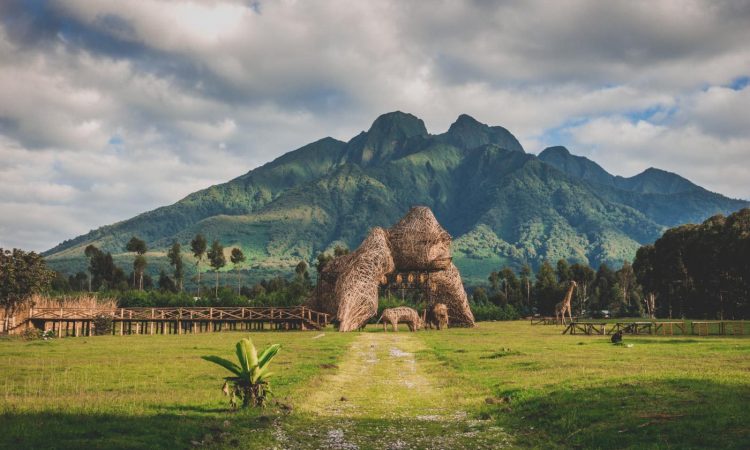
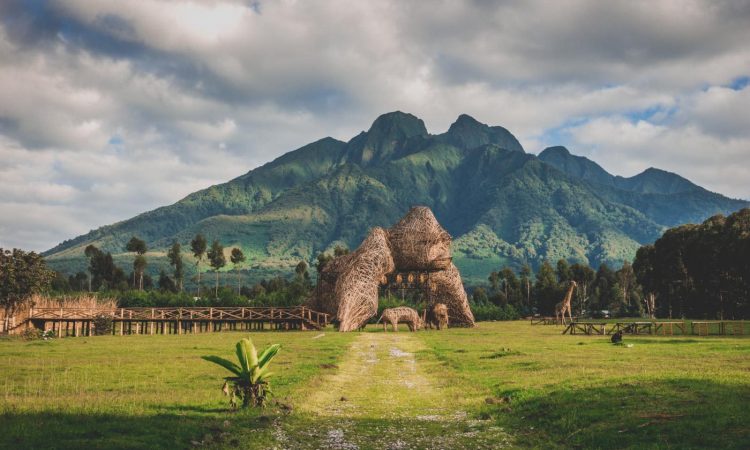
Rwanda, the "Land of a Thousand Hills," had always been a whisper in my mind, a place synonymous with resilience and remarkable natural beauty. As a solo female software engineer with a passion for wildlife conservation and ethical travel, I knew I had to experience it for myself. I spent 10 incredible days exploring Rwanda, from the misty slopes of Volcanoes National Park to the savanna plains of Akagera, and it was an experience that profoundly changed me. My goal is to inspire other women to travel to this remarkable destination. This isn't just a travel blog; it's a testament to the power of responsible tourism and the incredible spirit of Rwanda.
Gorilla Trekking: An Hour with Giants in Volcanoes National Park
The pinnacle of my trip, and perhaps my life, was gorilla trekking in Volcanoes National Park. Securing the permit is the first step, and it's an investment, costing $1500 USD. You can book it directly through the Rwanda Development Board (RDB) website. Be sure to book well in advance; permits often sell out months ahead of time, especially during peak season. The process is straightforward, and the RDB website is user-friendly. After booking I got a confirmation, after that I was set.
The day of the trek arrived crisp and clear. After an early briefing, we set off into the dense forest. The trek to find the Susa family was challenging – about four hours of navigating muddy terrain and steep inclines. The altitude took its toll, and I definitely felt the effects of altitude sickness. However, the guides were incredible, offering constant support and encouragement. I also hired a porter to carry my backpack, which I highly recommend. It was a worthy cost to take some weight of my back.
Finally, after what felt like an eternity, we found them. The Susa family, one of the largest gorilla families in Volcanoes National Park. Spending an hour observing these magnificent creatures in their natural habitat was an experience beyond words. The silverback, Guhonda, exuded a quiet power, while a baby gorilla playfully interacted with its mother. It was humbling, awe-inspiring, and deeply emotional. The connection I felt was overwhelming, a stark reminder of the importance of conservation efforts. I know I will carry that memory forever. If you are going to do one thing in Rwanda, make it this.
Akagera National Park: Lions, Giraffes, and a Commitment to Conservation
After the mountains, I headed east to Akagera National Park, a completely different landscape. I embarked on a three-hour game drive, and the contrast between the dense forests of Volcanoes and the expansive savanna plains was striking.
The park is a testament to Rwanda's commitment to conservation. Thanks to the efforts of the African Parks Network, wildlife populations have rebounded dramatically. One of the highlights was seeing a pride of six lions, reintroduced in 2015, lounging near the Kilala Plains. It was a surreal experience to witness these majestic creatures thriving in Rwanda once again.
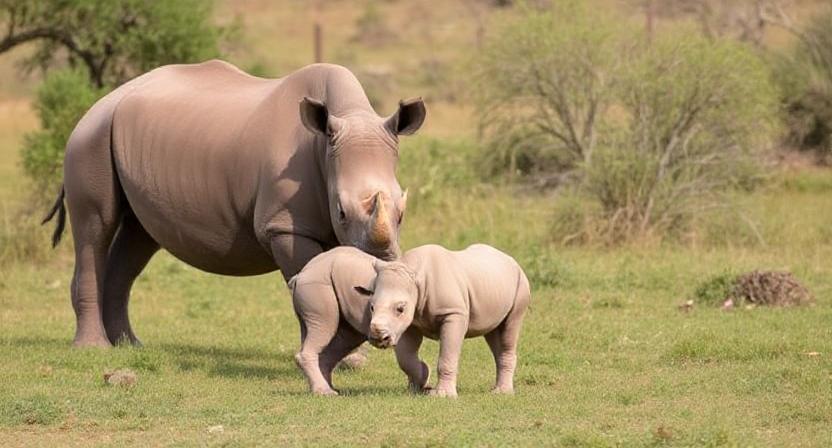
We also spotted a journey of giraffes gracefully moving near Lake Ihema and a herd of elephants crossing the Mutumba Hills. Equally impressive was observing the anti-poaching patrol activities. The dedication of the rangers to protecting the park's wildlife was truly inspiring. Their commitment to preserve Rwanda's natural heritage shines through.
Kigali Genocide Memorial: A Journey of Remembrance and Reflection
No trip to Rwanda is complete without visiting the Kigali Genocide Memorial. It's a deeply moving and profoundly important experience. The exhibits meticulously detail the pre-colonial history of Rwanda and how those historical dynamics influenced the genocide. Understanding this context is crucial to grasping the magnitude of the tragedy.
Reading the personal testimonies of survivors was emotionally overwhelming. Hearing their stories of loss, resilience, and hope left me speechless. It was a powerful reminder of the importance of remembrance and the need to prevent such atrocities from ever happening again. This stop will stay with you for the rest of your life.
Agaseke Village: Weaving Connections Through Culture
Seeking a deeper cultural immersion, I participated in a two-hour basket weaving workshop in the Agaseke village near Bugesera, facilitated by the local Imigongo cooperative. The women of the cooperative welcomed me warmly and patiently taught me the intricate weaving techniques using sisal fibers.
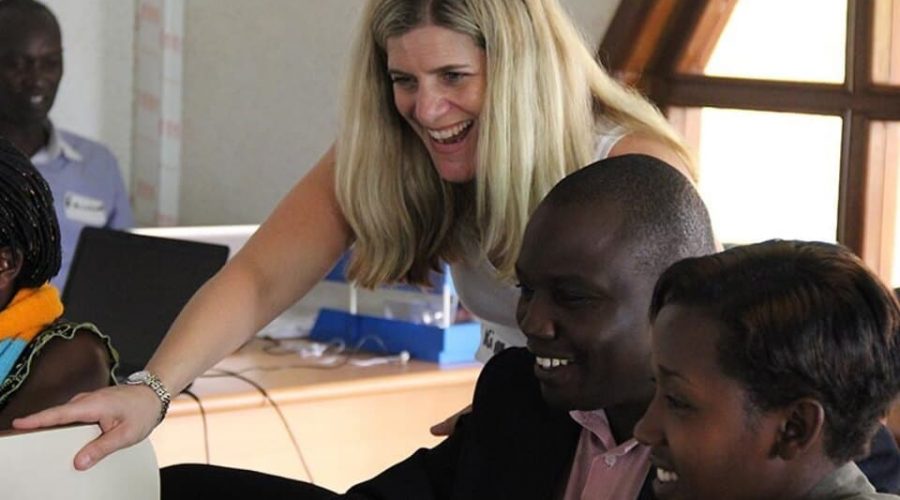
While weaving, we shared stories and laughter, and I learned about the significance of Imigongo art in Rwandan culture. It's more than just decoration; it's a form of storytelling and cultural preservation. The patterns and colors hold deep meaning, reflecting the history and traditions of the Rwandan people.
A Taste of Rwanda: Culinary Delights
Rwandan cuisine is a delightful surprise. From street food to restaurant fare, the flavors are bold and satisfying.
One evening, I sampled Brochettes (goat meat skewers) from a street vendor near the Kimironko Market in Kigali. The smokey flavor and spicy marinade were irresistible. At the Akagera Game Lodge restaurant, I enjoyed Ugali (maize porridge) with stewed beans. The texture of the Ugali was interesting, and it paired perfectly with the rich, flavorful beans.
A highlight was my visit to the Pfunda Tea Plantation in Rubavu. The tour of the processing plant was fascinating, and the tasting of various grades of Rwandan coffee, specifically the Bourbon variety, was an education for my taste buds. I detected rich, chocolatey notes in the coffee. It's the perfect way to start your mornings.
Rwandan Landscapes: A Feast for the Eyes
Rwanda's beauty is undeniable. From the rooftop terrace of the Hotel des Mille Collines in Kigali, the rolling hills stretched out before me, a sea of green under the African sun. In Volcanoes National Park, the dense foliage and misty atmosphere created an almost mystical ambiance. The expansive savanna plains of Akagera National Park, especially near Lake Muhazi, offered a different kind of beauty, a sense of vastness and freedom. The light in Rwanda is beautiful.
Rwanda's Commitment to Sustainable Tourism
Rwanda's commitment to sustainable tourism is commendable. I witnessed firsthand the "Umuganda" community cleanup day in Kigali, where citizens come together to improve their communities. The ban on single-use plastics throughout the country is another testament to their environmental consciousness. The conservation programs implemented by the African Parks Network in Akagera National Park have been instrumental in increasing wildlife populations. Rwanda is an example to the world.
Practical Tips for Solo Female Travelers in Rwanda
- Pack lightweight, waterproof hiking gear and insect repellent.
- Use safe transportation options like Virunga Express buses and regulated moto-taxi services.
- Learn a few basic Kinyarwanda phrases: "Muraho" (Hello) and "Murakoze" (Thank you) go a long way.
- Dress modestly when visiting religious sites to respect local customs.
- Research travel groups specifically designed for women
Conclusion: Rwanda Awaits
Rwanda stole a piece of my heart. Its beauty, its people, and its commitment to conservation left an indelible mark on me. It's a safe and welcoming destination for solo female travelers, offering incredible experiences that will challenge and inspire you. Don't just dream about it; go!
To support gorilla conservation, consider donating to the Dian Fossey Gorilla Fund International. Book a tour with a local Rwandan operator to promote community-based tourism. Actively seek out information about responsible travel practices before you go. Rwanda is waiting.