Rwanda: A Primatologist's Perspective on Conserv...
After several years away, the anticipation of returning to Rwanda bubbled within me. As a primatologist and conservationist dedicating my life to the study of gorillas, the chance to witness firsthand the progress in gorilla conservation was exhilarating. My heart pounded with excitement as the plane touched down in Kigali. The initial impression of Kigali was one of vibrant growth and a commitment to sustainability. The city was cleaner and more organized than I remembered, a testament to Rwanda's vision for the future. Knowing that these improvements also contribute to the well-being of both people and gorillas filled me with hope. I was ready to immerse myself once more in the lush landscapes and fascinating primate life of this extraordinary nation. My journey back to Rwanda would be incomplete without expert-led gorilla trekking and firsthand observation of their behavioral changes.
Gorilla Trekking in Volcanoes National Park: An Encounter with the Susa Family
The next morning, I set off for Volcanoes National Park. The air was crisp and carried the scent of damp earth and eucalyptus. The park's entrance buzzed with anticipation as fellow trekkers gathered, eager for their own gorilla encounters. I was particularly excited to revisit the Susa family, known for its large size and playful dynamics. This time, I was especially focused on observing the effect of sustainable gorilla trekking on the family's dynamics.
The trek itself was challenging, a reminder that these magnificent creatures inhabit a rugged terrain. The altitude tested my lungs, and the dense vegetation required careful footing. It's important to consider Rwanda gorilla trekking accessibility challenges and properly prepare for these physical demands. But every strained breath and aching muscle was worth it. After several hours of hiking, our guides signaled that we were close.
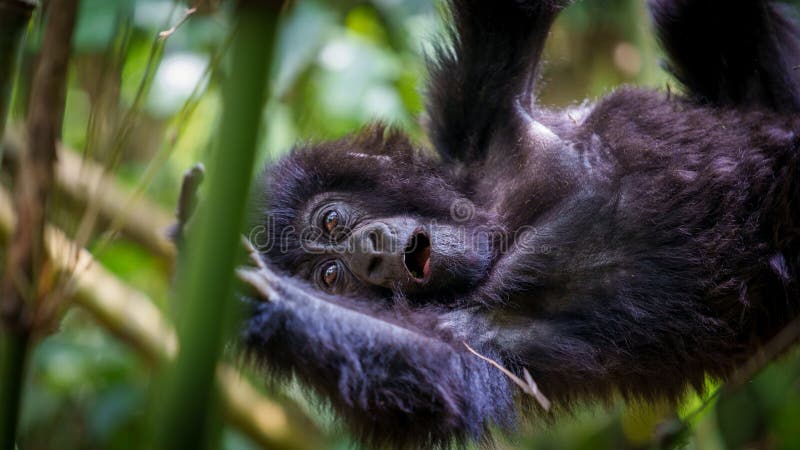
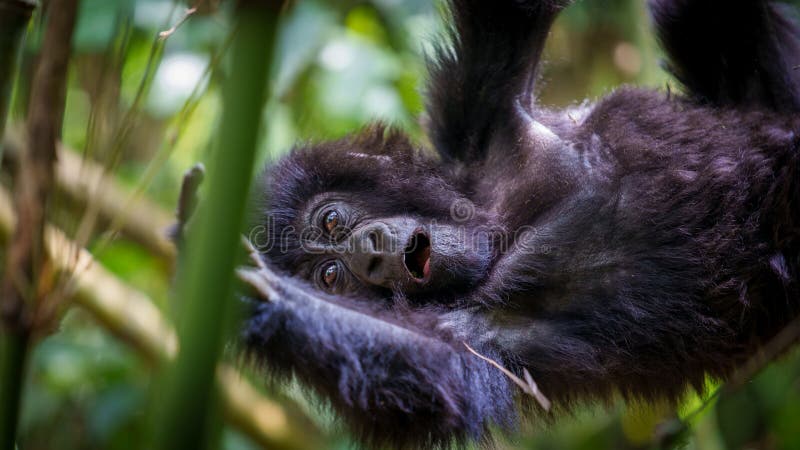
Then, there they were. The Susa family. A silverback, majestic and powerful, sat calmly amidst his family. Young gorillas tumbled and played, their innocent exuberance a stark contrast to the silverback's watchful gaze. A mother groomed her infant, her touch tender and reassuring. The emotional impact of encountering these gorillas in their natural habitat is profound. It's a moment that etches itself into your memory.
I observed their behavior with a keen eye. The way they interacted, communicated, and moved within their environment provided invaluable insights into their social structure and adaptability. There was a clear hierarchy, but also a strong sense of community. The Susa family gorilla trek Rwanda reviews often talk about the emotional impact. It's very real.
A Visit to the Dian Fossey Gorilla Fund's Karisoke Research Center
No trip to Rwanda as a primatologist would be complete without a visit to the Dian Fossey Gorilla Fund's Karisoke Research Center. This center holds immense historical and scientific significance, serving as a cornerstone for gorilla research and conservation efforts. Dian Fossey's pioneering work laid the foundation for our understanding of these incredible animals.
The Karisoke Research Center continues her legacy through ongoing research and monitoring of the gorilla populations in Volcanoes National Park. I had the opportunity to speak with researchers working there, discussing their findings on gorilla behavior, health, and population dynamics.
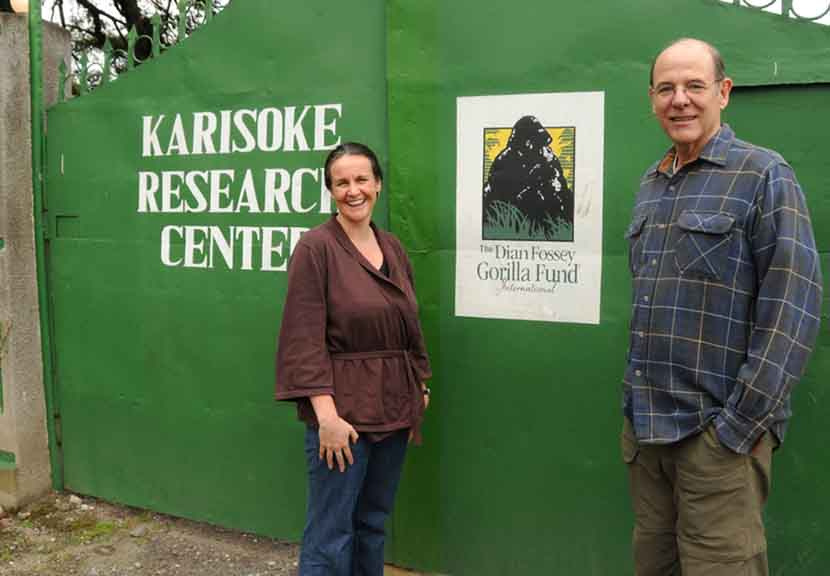
The dedication and passion of these individuals were inspiring. They face numerous challenges, including habitat loss and human-wildlife conflict, but their commitment to gorilla conservation remains unwavering. The question of "What is the legacy of Dian Fossey for gorilla conservation in Rwanda today?" is easily answered by witnessing their continued work. The center stands as a constant reminder of the importance of long-term research and conservation strategies.
Golden Monkey Trekking: A Different Primate Perspective
While gorilla trekking is the primary draw to Volcanoes National Park, the golden monkey trek offers a delightful contrast. These primates, with their vibrant golden fur, are endemic to the Virunga Mountains and are a sight to behold.
The trek to see the golden monkeys was less strenuous than the gorilla trek, winding through bamboo forests and open glades. Their habitat is as beautiful as the monkeys themselves. The golden monkeys are incredibly active, leaping from branch to branch with remarkable agility. Their playful antics and curious nature are captivating. Unlike the gorillas' more deliberate movements, the golden monkeys are a whirlwind of energy. Observing their behavior provided a different perspective on primate life in Volcanoes National Park, highlighting the incredible biodiversity of the region.
Imigongo Art and Community Tourism
Beyond the primates, I wanted to experience Rwanda's rich culture. A visit to a village near the park offered a glimpse into the local community and their traditions. I had the opportunity to participate in an Imigongo art workshop. The experience highlighted Rwanda community tourism efforts.
Imigongo is a unique Rwandan art form that uses cow dung to create intricate geometric patterns. Historically, Imigongo served as a form of interior decoration, adorning the walls of homes and signifying status and cultural identity. What is Imigongo art and its cultural significance? It is a powerful expression of Rwandan heritage.
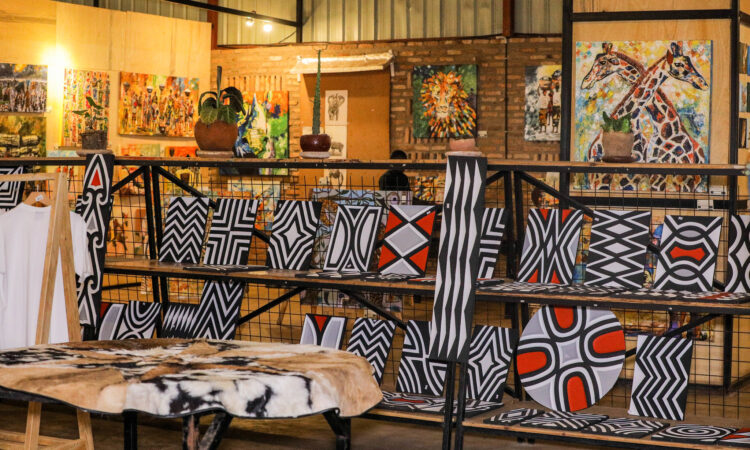
I interacted with local artisans, learning about the history and techniques of Imigongo. The artisans shared their stories and explained how tourism has provided economic opportunities for their community. Purchasing Imigongo art directly from the artisans provides vital income, empowering them to preserve their cultural heritage and improve their livelihoods. Knowing that this experience also benefits the local community enhanced my appreciation of Rwanda's commitment to sustainable tourism.
Rwandan Cuisine: A Culinary Journey
My Rwandan adventure extended beyond the forests and art workshops to include a delightful exploration of the local cuisine. I savored the flavors of Ibiharage (bean stew), a hearty and nutritious dish that is a staple in Rwandan households. The rich flavors and textures of the beans, simmered with onions, tomatoes, and spices, were comforting and satisfying. Another highlight was Agatogo (plantains with peanut sauce), a sweet and savory combination that showcased the creativity of Rwandan cooking. The sweetness of the plantains perfectly complemented the nutty richness of the peanut sauce.
A special dinner at Bisate Lodge offered a culinary experience that highlighted locally sourced ingredients and innovative techniques. What is Rwandan cuisine like? It's surprisingly diverse and flavorful. The presentation of each dish was a work of art, reflecting the attention to detail and passion for food that is characteristic of Rwandan culture. The flavors were fresh and vibrant, showcasing the bounty of the region. The emphasis on sustainability and local sourcing further enhanced the dining experience, knowing that each ingredient was carefully selected to support local farmers and minimize environmental impact.
Volcanoes National Park: An Ecosystem Under Pressure
Volcanoes National Park is more than just a home for gorillas and golden monkeys; it's a complex and delicate ecosystem. The lush rainforest, volcanic peaks, and diverse flora and fauna create a unique and breathtaking landscape.
However, the park faces significant challenges. The impact of altitude and weather on the trekking experience cannot be understated. The high altitude can make breathing difficult, and the weather can change rapidly, from sunny skies to torrential rain. The park is surrounded by a densely populated area, leading to habitat fragmentation and increased human-wildlife conflict. What are the challenges of gorilla conservation in a densely populated area like Rwanda? The answer lies in balancing the needs of both humans and wildlife.
During my treks, I observed a wide variety of plant and animal life, from colorful birds to rare orchids. The interconnectedness of the ecosystem was evident. The gorillas depend on the forest for food and shelter, while the forest relies on the gorillas to disperse seeds and maintain its health. Protecting this ecosystem is crucial, not just for the gorillas, but for the entire planet.
Conservation, Community, and Eco-Tourism: A Hopeful Future
Rwanda's commitment to conservation, community engagement, and luxury eco-tourism offers a hopeful model for the future. Sustainable gorilla trekking in Rwanda is not just about providing tourists with an unforgettable experience; it's about protecting gorillas and supporting local communities. The tourism revenue generated from gorilla trekking helps fund conservation efforts and provides economic opportunities for local people. How does tourism benefit local communities in Rwanda? By empowering them to become stewards of their natural heritage. The development of eco-lodges like Bisate Lodge exemplifies this approach. These lodges prioritize sustainability, using locally sourced materials, employing local staff, and supporting community development projects.
My hope for the future of gorilla conservation in Rwanda is that this model will continue to thrive, ensuring that these magnificent creatures continue to roam freely in their natural habitat for generations to come. Rwanda's dedication to protecting its natural heritage is truly commendable. I leave Rwanda with a renewed sense of hope and a deep appreciation for the country's unwavering commitment to conservation.