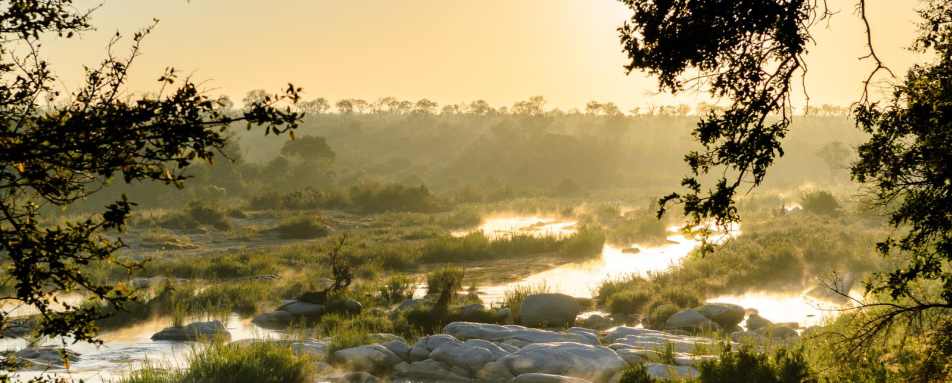
Rhino Guardians: An Ethical Safari at Singita Sa...
As a wildlife photographer and conservationist, I've journeyed to some of the planet's most breathtaking locations. But my recent 7-day stay at Singita Sabi Sand in South Africa transcended the ordinary. This wasn't just another South Africa safari; it was an immersive experience into the heart of rhino conservation, witnessing firsthand the tireless efforts to protect these magnificent creatures from the scourge of poaching. It reinforced the significance of sustainable tourism and my personal commitment to ethical wildlife photography, showing me that every image captured can contribute to a larger narrative of preservation.
Tracking Giants: Guided Bush Walks and the Art of Rhino Tracking
The African sun was barely hinting at dawn as I joined the expert trackers for my first rhino tracking excursion. The air was crisp, carrying the scent of damp earth and distant acacia trees. These weren't leisurely strolls; they were lessons in interpreting the language of the bush. We weren’t just walking; we were reading a story etched into the soil.
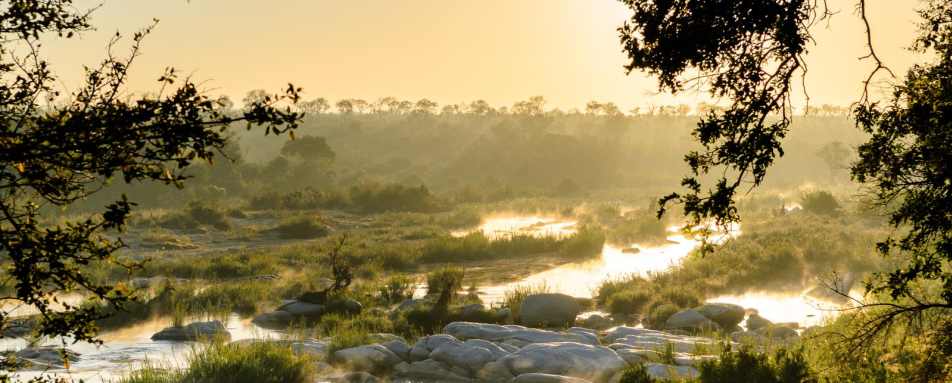
The trackers, men and women deeply connected to the land, pointed out subtle clues: the distinct three-toed footprints of a rhino, the direction of its travel, the age of the spoor. They explained how to differentiate between the tracks of a black rhino and a white rhino, a skill honed over years of experience. We learned to identify their dung and urine markings, used for territorial communication. It was like deciphering an ancient code, unlocking secrets hidden in plain sight. This knowledge is vital; by understanding rhino movements and territories, conservationists can better protect them from poachers.
The importance of these methods goes far beyond simple observation. The data collected informs anti-poaching strategies, helping rangers anticipate rhino movements and deploy resources effectively. They help understand migration patterns in order to better conserve the rhinos as their habitat changes.
Capturing Conservation: Ethical Wildlife Photography in Practice
My photographic safaris at Singita Sabi Sand were unlike any I’d experienced before. The emphasis wasn't just on getting the "perfect shot," but on ethical wildlife photography. Our guides were also conservation experts, teaching us how to approach wildlife with respect and minimize our impact on their natural behavior.
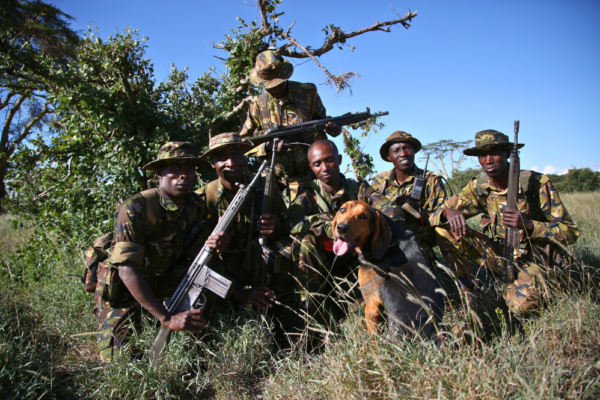
We kept a respectful distance, using telephoto lenses to capture intimate portraits without disturbing the animals. We avoided sudden movements or loud noises that could stress them. The goal was to document their lives authentically, not to stage a dramatic scene. It's a delicate balance, the pursuit of art intertwined with a deep sense of responsibility. As I documented these animals, I felt a profound sense of duty. I sought to capture the animal's essence while simultaneously minimizing disturbance.
Ethical Considerations When Photographing Wildlife
Here are some actionable tips for practicing ethical wildlife photography:
- Maintain Distance: Use telephoto lenses to avoid getting too close.
- Respect Boundaries: Never approach an animal that appears stressed or agitated.
- Avoid Flash Photography: Flash can disorient and frighten animals, especially at night.
- Minimize Noise: Keep your voice down and avoid sudden movements.
- Stay in Your Vehicle: Unless guided by experts, remain in your vehicle to avoid disrupting the animals' habitat.
- Leave No Trace: Pack out everything you pack in, and avoid disturbing the vegetation.
- Be Aware of Breeding Seasons: Give animals extra space during sensitive times like mating or calving.
- Specific Photographic Settings: For general daylight shooting, use an aperture of f/5.6 to f/8 for sufficient depth of field. Set your ISO as low as possible (ISO 100-400) for optimal image quality, adjusting shutter speed to compensate for light. For low-light conditions, increase your ISO gradually, but be mindful of noise. Consider an aperture of f/2.8 or f/4 if your lens allows, to gather more light.
When I captured an image of a mother rhino gently nudging her calf, I felt an overwhelming sense of connection. It wasn't just a photograph; it was a story of survival, resilience, and the profound bond between mother and child. That moment solidified my commitment to using my photography as a tool for rhino conservation and education.
Understanding Anti-Poaching Efforts
A visit to the anti-poaching unit at Singita Sabi Sand was a sobering but inspiring experience. These dedicated rangers are the frontline defenders of the rhinos, risking their lives daily to protect them from heavily armed poachers. The technology they employ is impressive, from drones that patrol the skies to highly trained tracking dogs that can follow a scent for miles.
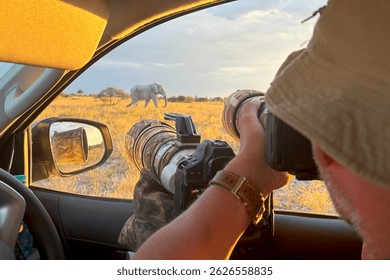
I learned about the sophisticated monitoring systems they use, combining aerial surveillance, ground patrols, and intelligence gathering to detect and deter poaching activity. The commitment of these rangers is unwavering. They patrol day and night, braving harsh conditions and constant threats. Their dedication stems from a deep love for the rhinos and a fierce determination to protect them for future generations.
The impact of these efforts is undeniable. While poaching remains a serious threat across Africa, Singita Sabi Sand has seen a significant decline in rhino poaching incidents in recent years, thanks to its comprehensive anti-poaching initiatives. While specific, up-to-the-minute numbers fluctuate, the general trend showcases a stabilization and even slight increase in the rhino population within the reserve compared to areas with less stringent protection.
Why Sustainable Tourism Matters
My experience at Singita Sabi Sand underscored the vital role of sustainable tourism in wildlife conservation. When tourism is done right, it can provide a powerful economic incentive to protect wildlife and their habitats. A luxury safari Sabi Sand Rhino tracking adventure can bring much needed money for the local economies. A large portion of the revenue generated from tourism at Singita is channeled directly into rhino conservation and community development programs. This creates a virtuous cycle, where tourism benefits both the wildlife and the people who live alongside them.
Singita employs local community members as trackers, rangers, and hospitality staff, providing them with stable jobs and opportunities for advancement. This helps to foster a sense of ownership and responsibility for the protection of the rhinos. The cultural impact that anti-poaching operations have on local communities is multifaceted. Beyond providing employment, the integration of local knowledge and the promotion of conservation awareness within the community fosters a sense of pride and stewardship. Additionally, these operations often invest in education and infrastructure, enhancing the overall quality of life and promoting social cohesion.
The Power of Responsible Travel
Choosing to visit Singita Sabi Sand isn't just about experiencing an unforgettable South Africa safari. It's about making a conscious decision to support rhino conservation and sustainable tourism. By choosing ethical travel options, we can help ensure that these magnificent creatures continue to roam the African bush for generations to come. The rhino anti-poaching initiatives South Africa relies on can only continue with a sustainable, reliable income source. Choosing to be a wildlife conservation volunteer and booking an ethical safari helps to achieve this.
Every photograph I took at Singita felt like a small act of advocacy. I hope that my images will inspire others to appreciate the beauty and fragility of these animals and to support the efforts to protect them.
Plan Your Rhino Conservation Safari
Ready to immerse yourself in the heart of rhino conservation at Singita Sabi Sand? Book an ethical rhino conservation safari South Africa and contribute directly to protecting these incredible animals.
Support Singita Sabi Sand's rhino conservation efforts by booking an ethical safari. A portion of your stay directly funds anti-poaching initiatives. Learn more and book your sustainable tourism adventure at [Insert Affiliate Link to Singita Sabi Sand via Vistalocation].