Returning to the Salish Sea: A Marine Biologist'...
The scent of saltwater hung heavy in the air, mingling with the diesel tang of the Washington State Ferry. As we pulled into Friday Harbor, the raucous cries of gulls pierced the morning quiet, instantly transporting me back to my childhood. Ten years. A decade since I last set foot on these shores. As the ferry navigated the currents, a subtle dance dictated by the Salish Sea's powerful tidal forces, I felt the familiar tug of nostalgia. This wasn't just a vacation; it was a homecoming, a chance to view my childhood playground through the eyes of the marine biologist I had become, and to enjoy some eco-friendly San Juan Islands travel.
Day 1: Orca Magic with Pacific Whale Watch Association
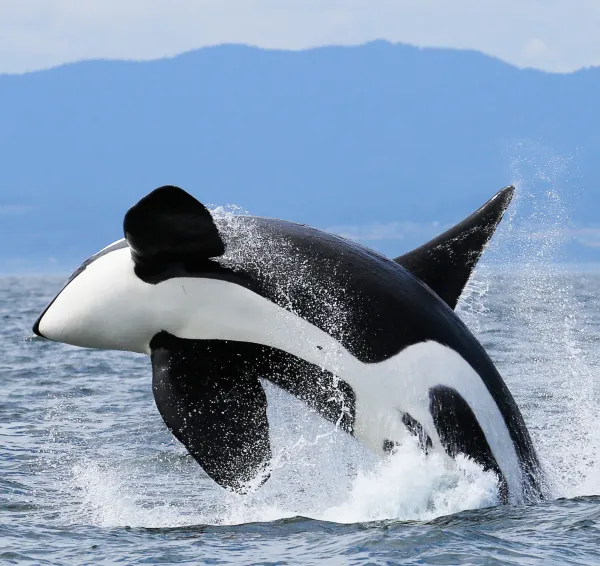
The next day dawned crisp and clear – perfect weather for whale watching. Booking an eco-friendly whale watching tour with Pacific Whale Watch Association through Vistalocation.com was a no-brainer. I was eager to witness the Salish Sea’s most iconic residents: the Orcas. As our boat sliced through the waves, the guide explained the local ecosystem and the ongoing conservation efforts. The anticipation was palpable.
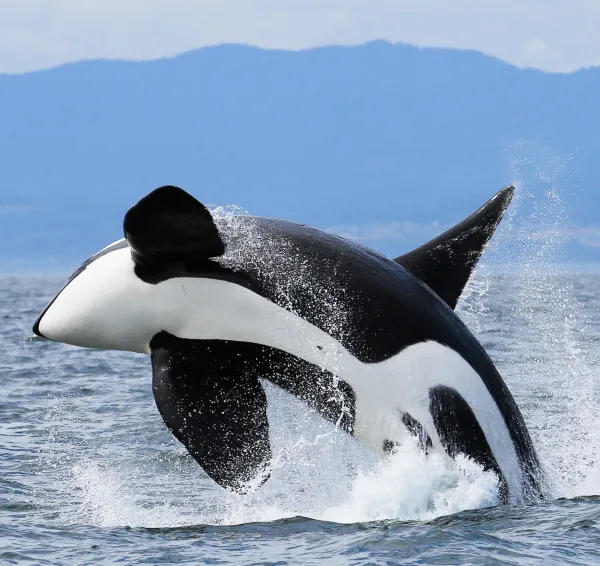
Then, a collective gasp rippled through the boat. A pod of Orcas! Their sleek, black bodies breached the surface, powerful blows misting in the sunlight. I remembered learning about their complex matrilineal societies; a stark contrast to the simple hierarchy of the harbor seals basking nearby. These pods, often family units led by the oldest female, pass down knowledge and hunting techniques through generations. Seeing them in their natural habitat was breathtaking. It also served as a stark reminder of the challenges they face: dwindling salmon populations, vessel noise, and persistent pollutants. Seeing the stark contrast between the orca's complex lives and the simple life of harbor seals, it was important for me to remember that San Juan Islands marine life needs to be protected.
We also spotted Dall's porpoises, playfully racing alongside the boat, and a variety of seabirds, including rhinoceros auklets and pigeon guillemots. Our guide emphasized the importance of responsible viewing practices, maintaining a safe distance and minimizing noise to avoid disturbing the animals. The best ethical whale watching tour San Juan Islands always prioritizes the well-being of the wildlife. It's so important to book your San Juan Islands whale watching tour with a responsible tour operator through Vistalocation.com and support responsible marine tourism!
Day 2: Kayaking in Friday Harbor's Marine Life
The next morning, I rented a kayak in Friday Harbor, eager to explore the shoreline at my own pace. Paddling through the calm waters, I felt a sense of tranquility wash over me. The gentle lapping of waves against the hull, the cries of gulls overhead – it was a symphony of nature.
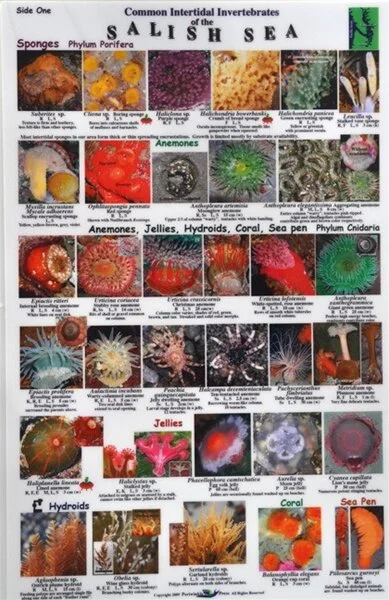
The intertidal zone, where the land meets the sea, teemed with life. Purple sea stars clung to the rocks, their vibrant colors a stark contrast to the muted grays and browns. Anemones swayed gently in the current, their tentacles extended, waiting to snare unsuspecting prey. Barnacles, those tiny crustaceans that attach themselves to rocks and boats, formed a mosaic of textures. The biodiversity was astounding.
Ensure your tour guide practices "leave no trace" principles and respects the marine environment. It’s important to minimize impact San Juan Islands travel, especially when interacting with such delicate ecosystems. Find eco-conscious kayaking tours in Friday Harbor listed on Vistalocation.com, and remember to be respectful when kayaking San Juan Islands marine life. This is more than just a fun activity, it's an opportunity to support sustainable tourism San Juan Islands.
As I paddled, I considered the importance of maintaining healthy ecosystems for this marine life. Pollution, habitat destruction, and climate change all pose significant threats. Every small action, from reducing our plastic consumption to supporting sustainable businesses, can make a difference.
That evening, I joined a beach bonfire where freshly caught salmon was grilling on driftwood. The rich, smoky aroma filled the air. The salmon lifecycle, from its birth in freshwater streams to its migration to the ocean and eventual return to spawn, is a remarkable testament to the resilience of nature. It also highlights the importance of sustainable fishing practices to ensure healthy salmon populations for future generations. Plus, it gave me a chance to enjoy some San Juan Islands local food.
Day 3: Tide Pooling at Cattle Point & Hiking Turtleback Mountain
My final day was split between exploring the intertidal wonders of Cattle Point and hiking on Orcas Island. Cattle Point is a tide pooler's paradise. As the tide receded, it revealed a hidden world of fascinating creatures. Hermit crabs scuttled across the rocks, their borrowed shells providing protection from predators. Sea urchins, with their spiny exteriors, grazed on algae. The sheer variety of life was incredible, and it showed me what to see tide pooling San Juan Islands.
The delicate balance of this ecosystem was evident. Even small amounts of pollution can have a devastating impact on these creatures. Walking lightly and leaving only footprints is crucial. After this enriching experience, I wanted to give back, and knew that there are plenty of volunteer opportunities San Juan Islands marine conservation.
In the afternoon, I took the ferry to Orcas Island and hiked Turtleback Mountain, a place my grandfather used to take me. I wanted to find "our spot." The trail wound its way through a dense forest of Douglas fir and western hemlock, the air thick with the scent of pine needles and damp earth. These forests play a vital role in carbon sequestration, absorbing carbon dioxide from the atmosphere and helping to mitigate climate change. Preserving old-growth forests like these is essential for maintaining a healthy planet. There are so many easy hikes San Juan Islands for families, and finding this one again was a real joy.
As I climbed higher, the trees began to thin, offering glimpses of the Salish Sea and the surrounding islands. Finally, I reached the summit, my breath catching in my throat. There it was! Our spot. The view was breathtaking. The panoramic vista stretched out before me, revealing the geological formations and volcanic history of the region. In the distance, I could see the snow-capped peaks of the Olympic Mountains. It was the same view my grandfather had shown me, and I was overwhelmed with emotion. From that vantage point, you could see how the islands fit together like pieces of a puzzle. Even after so many years, my spot was there.
Before heading back to the ferry terminal for my departure, I made a pit stop for some local artisan cheeses from Orcas Island, a testament to the thriving local dairy farming industry. It’s important to support local dairy farms as they have a huge impact on the local economy. Finally, I had to grab a glass of local craft cider from San Juan Island, enjoying the tart, refreshing taste. The area's apple orchards have a rich history, dating back to the early settlers. San Juan Islands local food is a special and delicious experience!
A Fond Farewell (For Now)
Leaving the San Juan Islands this time felt different. It wasn't just a bittersweet farewell to a childhood memory; it was a renewed commitment to protecting this incredible place. My scientific understanding deepened my emotional connection. From the rocky beaches teeming with intertidal life to the dense forests of Douglas fir, the Salish Sea is a treasure trove of biodiversity that needs our protection.
It's up to all of us to be responsible travelers and minimize our impact on the environment. Choose eco-friendly accommodations, support sustainable businesses, and leave no trace behind. These are all important steps in how to minimize impact San Juan Islands travel. Visit Vistalocation.com to find sustainable accommodations and eco-friendly tours within the San Juan Islands. By practicing eco-conscious travel, we can ensure that future generations will have the opportunity to experience the magic of the Salish Sea. This is a San Juan Islands family eco-vacation that everyone should experience at least once.