Returning to Botswana: A Journey of Remembrance...
The Okavango Delta. Even the name whispers of something ancient, a vibrant tapestry woven from waterways and wildlife, stretching across the heart of Botswana. It’s a place of profound natural beauty, a UNESCO World Heritage site teeming with life, and for me, Jabari, a 60-year-old retired history professor from Atlanta, Georgia, it’s a place of deep personal significance. Thirty years ago, I explored this magnificent delta with my beloved wife, Sarah. Now, I'm returning to Botswana on a Botswana memorial travel to scatter her ashes in this place she loved so dearly, to reflect on our shared memories, and to find a measure of peace amidst the echoes of the past on this emotional journey Okavango Delta.
Day 1: Arrival in Maun & Transfer to San Camp
The heat hit me like a wall upon landing in Maun. The air shimmered above the runway, a visual testament to the vast, sun-baked landscape that awaited. After gathering my luggage – a small, worn leather suitcase and a discreet urn containing Sarah’s ashes – I boarded a bush plane for the transfer to San Camp. Looking out the window, the Okavango unfolded beneath me, a delta of green arteries snaking through the Kalahari sands. The stark white beauty of the Makgadikgadi Pans spread out, an eerie, almost lunar landscape. Then, the landing at San Camp. Isolation. That's the only word for it. The minimalist aesthetic of the camp, the stark white tents against the endless horizon, amplified the quiet, pressing in on me. Anticipation, yes, but also a profound apprehension. I was one step closer to saying goodbye, again.
Day 2: Mokoro Trip & Kgosi's Wisdom
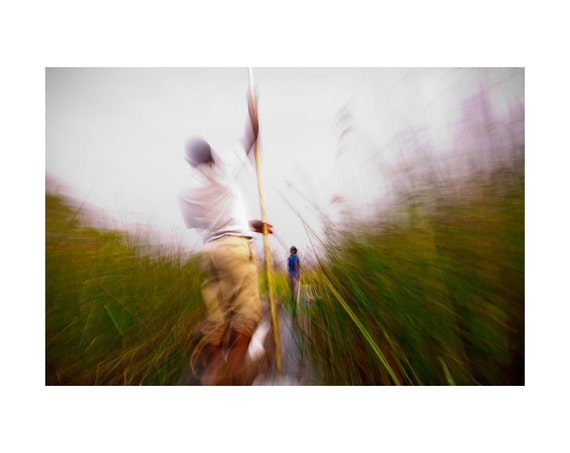
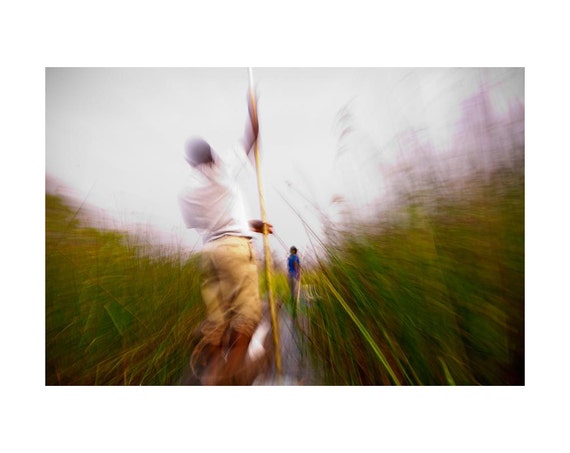
The next morning, I met Kgosi, my local guide for a mokoro trip. A mokoro is a traditional dugout canoe, and as we pushed off from the bank, gliding into the waterways, the silence was almost deafening. The gentle lapping of water against the mokoro, the calls of unseen birds, the buzzing of insects – these were the sounds of the Delta, a symphony of life unfolding around me.
Kgosi shared stories of the region, its history, its wildlife, and the local legends passed down through generations. He spoke of the importance of the Okavango to the San people, its life-giving waters sustaining both body and spirit. It was as we drifted through a particularly serene stretch of water, sunlight dappling the surface, that I knew it was time. With trembling hands, I opened the urn and scattered a portion of Sarah's ashes into the water. Grief, of course, but also a sense of peace. She was returning to a place she loved, becoming one with the life that flourished here. Kgosi, with a quiet understanding, simply nodded and continued poling the mokoro. He provided emotional support in the delta.
Day 3: Bush Walk & Bird Identification
Sarah loved birdwatching. She had a well-worn copy of "Birds of Southern Africa" that she carried everywhere. Today, I decided to take it with me on a bush walk, hoping to reconnect with her through her passion. Initially, frustration gnawed at me. I couldn't seem to spot anything beyond the ubiquitous doves. Then, as if by magic, a vibrant African Fish Eagle soared overhead, its distinctive call echoing across the plains. Later, I identified a stunning Lilac-breasted Roller, its plumage a riot of color.
I remembered Sarah's infectious enthusiasm, the way her eyes would light up at the sight of even the smallest bird. She found joy in the details, in the intricate web of life that connected everything. And as I stood there, "Birds of Southern Africa" in hand, I felt a growing appreciation for that web, for the resilience and beauty of this ecosystem, fueled by ethical tourism Okavango Delta.
Day 4: Elephant Encounter & Naledi's Healing
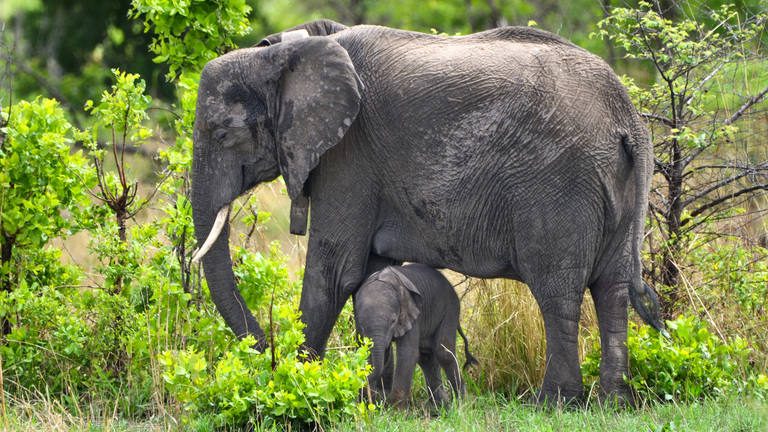
The elephants. They are majestic creatures. I watched them at a watering hole – the matriarch leading her herd, the young calves playfully splashing in the water. There must have been 30 of them in total. Awe and respect washed over me. Later that day, I met Naledi, a San elder. Her eyes held a wisdom that transcended words. She shared traditional healing practices, offering comfort and perspective. She explained the symbolic importance of the elephant in San culture, connecting it to themes of memory, strength, and family. Naledi’s healing, that day, touched me deeply, a reminder that even in grief, there is always the potential for renewal.
Day 5: Wild Dog Hunt & Departure
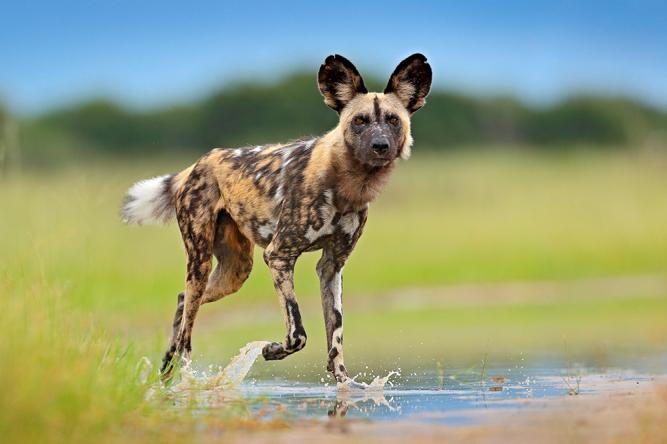
An unexpected encounter marked my final day. A pack of African wild dogs, also known as painted wolves, on the hunt. The adrenaline of witnessing their coordinated pursuit, the raw energy of the chase, was exhilarating. They are efficient predators, and I developed a newfound respect for their skill. I then travelled back to Maun and visited the local market, purchasing a hand-woven basket. The intricate patterns, the craftsmanship – it represented a connection to the land and its people, a tangible reminder of my journey. I will remember my safari for solo travelers over 50. As I prepared to leave, I reflected on the past five days, on the memories I had made, and on the sense of closure and renewal I felt. I made a generous donation to the Khwai Development Trust, supporting local communities and conservation. Khwai Development Trust
Culinary Experiences in the Delta
My culinary journey in the Okavango Delta was initially hesitant. When presented with local cuisine, I was unsure of myself. I was initially reluctant to try Seswaa (slow-cooked pounded beef), Morama beans, and especially Mopane worms. Seswaa was surprisingly tender and flavorful, the Morama beans earthy and satisfying. But the Mopane worms… those were a challenge. Initially, the thought of eating them repulsed me. But I decided to embrace the experience, and to my surprise, they were… nutty. And incredibly nutritious. It struck me as a metaphor for overcoming my grief, embracing new experiences, and finding nourishment in unexpected places.
The Hand-Woven Basket: A Souvenir of Remembrance
The hand-woven basket I purchased in Maun is more than just a souvenir; it's a symbol. The intricate patterns speak to the history and culture of the people, and the craftsmanship reflects the enduring spirit of Botswana. Every time I look at it, I will remember the beauty of the Okavango Delta, the wisdom of Kgosi and Naledi, and the memory of Sarah, forever woven into the fabric of this extraordinary place. It is a great Botswana safari for senior travelers.
Cost Estimate
A similar 5-day trip to the Okavango Delta, including bush plane transfers and a stay at a luxury camp like San Camp, typically costs between $10,000 - $18,000 per person, depending on the level of luxury.
Conclusion: A Journey of Healing
Returning to Botswana was more than just a trip; it was a pilgrimage. It was a journey of remembrance, a chance to reconnect with Sarah's spirit, and to find healing in the heart of the Okavango Delta. The Delta offered a spiritual journey to Okavango Delta after loss. If you are seeking a place of profound beauty, a place to reflect and renew, I urge you to consider a Botswana safari. The Okavango awaits. Contact vistalocation Botswana safari experts.